The missed acquisition that changed everything
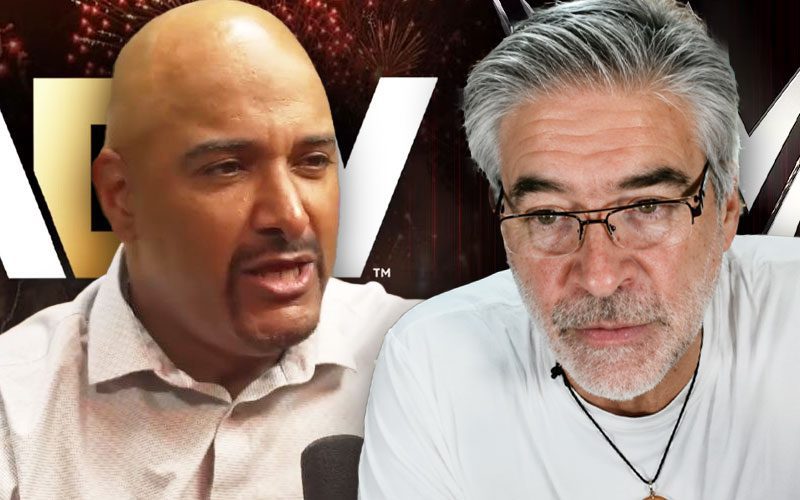
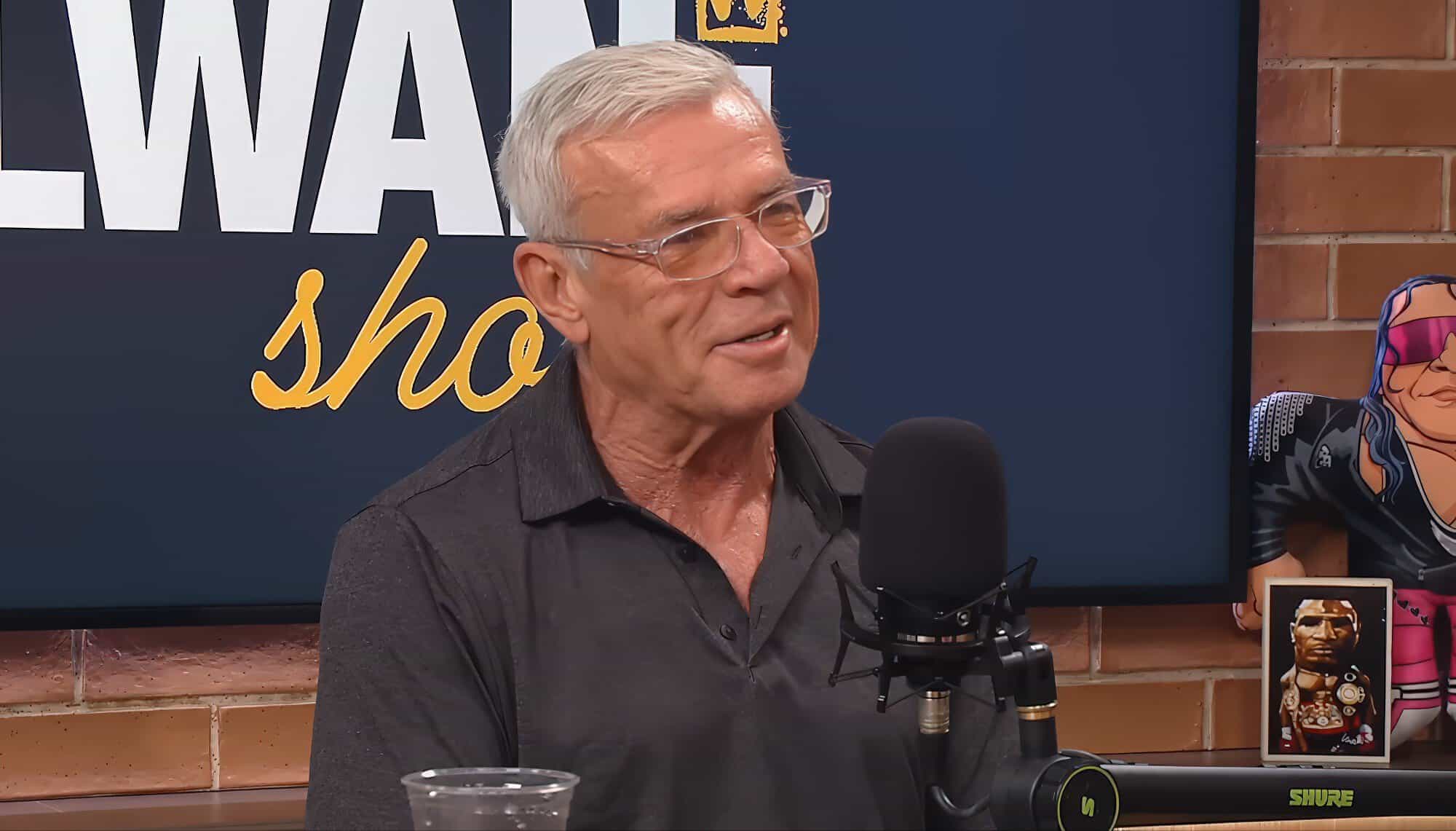
Eric Bischoff remains one of the most polarizing figures in wrestling history, but his recent revelation about nearly purchasing the UFC serves as a brutal reminder of how timing dictates industry dominance. During his prime WCW tenure, Bischoff had the opportunity to acquire the then-fledgling martial arts promotion. He passed. History tells us this was a strategic error of massive proportions.
If Bischoff had pulled the trigger, the promotional trajectory of the late 1990s would look unrecognizable. WCW was already burning through Turner capital at an unsustainable rate. As Eric Bischoff noted in his recent comments, the financial appetite required to sustain the UFC during its dark ages was something WCW could not have provided without cannibalizing its own bottom line.
Why the acquisition would have cratered
The core issue wasn't just the money; it was the lack of structural synergy. Bischoff understood the mechanics of professional wrestling—the work, the promos, the television ratings. He did not understand the volatility of prize fighting. By 1997, the UFC was struggling with regulatory crackdowns and minimal mainstream support. Bischoff would have been essentially buying a toxic asset that would have drained his focus during the critical Nitro-Raw wars.
Critics often point to the potential for cross-promotion as a reason it might have succeeded. I disagree. Look at the data from the early 2000s when wrestling attempted to incorporate MMA-style shoots. The audiences were fundamentally different. Wrestling relies on suspension of disbelief, whereas the UFC demands authenticity. Merging those fanbases in 1997 would have created a dissonance that potentially alienated both demographics.
Defining the failure points
Let us look at the internal logistics. In 1996, WCW brought in $44.8 million in pay-per-view revenue, a massive figure at the time. Yet, the cost of managing the talent roster was ballooning. Bischoff was busy trying to secure star power like Hollywood Hogan and Roddy Piper to beat the WWF in the ratings. Adding the burden of an MMA promotion, which at the time lacked the star-making power of the Octagon branding that came later under Zuffa, would have been a logistical nightmare.
There is also the matter of the regulatory environment. The political pressure against mixed martial arts in the late 90s was intense. John McCain famously labeled it human cockfighting. If Bischoff had diverted WCW resources to fight stateside athletic commissions, he would have likely lost his already tenuous support from the Turner executives. It was a no-win scenario for the executive.
The prediction
Bischoff is wise to acknowledge the proximity of the deal now, but he was right to avoid it then. Had he purchased the company, WCW would have collapsed about 18 months sooner than it actually did due to the diverted resources. The purchase price for the UFC at the time was reportedly quite low, but the cost of building the infrastructure required to scale a combat sports entity in the pre-internet age would have been astronomical.
Ultimately, Bischoff choosing against the buy was the only move that didn't lead to immediate administrative suicide. He stayed in his lane, kept the focus on the Monday Night War, and allowed the UFC to evolve under ownership that actually understood the sport. Bischoff was a master of the wrestling spectacle, but he was poorly suited to transition into the role of a fight promoter.