
WWE and AAA are facing a brutal reality in summer 2026
The cold snap hitting wrestling’s road strategy
Professional wrestling is currently fighting a localized recession that few promoters want to acknowledge. While executives often point to digital engagement or social media clips as metrics for success, the hard math of ticket sales tells a different story. The data from the T-Mobile Center in Kansas City acts as a sobering look at how far the cooling trend has moved into the mainstream.
As of June 19, 2026, the venue holds exactly 6,362 tickets distributed for the upcoming SmackDown broadcast. With a house capacity sitting at 19,252, promoters are staring at a fill rate of approximately 33%. For a company that once prided itself on selling out regional arenas weeks in advance, this represents a significant dip in market penetration. Booking an arena of that scale requires a certain level of gravitational pull that, quite frankly, is not present in the current television product.
The issue isn't just one city. It is a reflection of a calendar that feels increasingly detached from local demand. When touring shows stop feeling like essential, localized events and start feeling like a routine administrative duty for a national broadcast, the audience stays home. Comparing this to the June 20, 2026 broadcast of Lucha Libre AAA, we see a company attempting to inject urgency into a summer slot on FOX. AAA is trying to force its way into the conversation with a high-velocity style aimed at grabbing eyeballs, but they face a similar hurdle: justifying the airtime when viewer attention is increasingly fractured.
The return of the relics
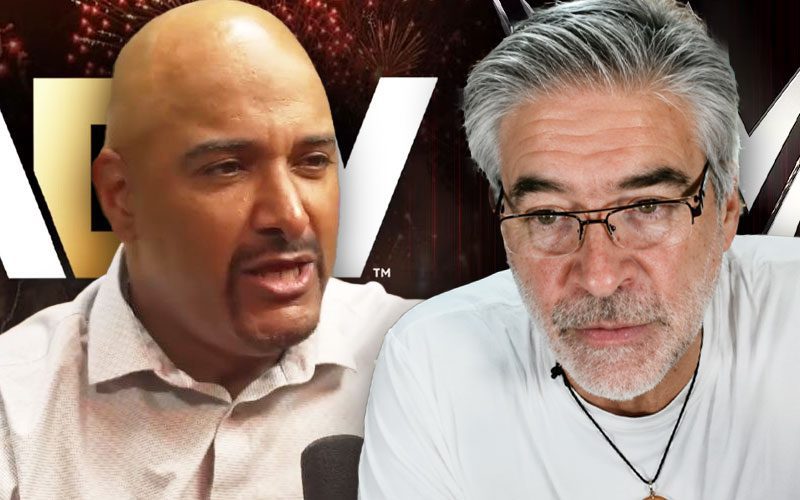
Perhaps the most baffling element of the current discourse involves the nostalgia baiting occurring in the periphery of these promotions. Recent reports suggest that figures like Vince Russo and Jonathan Coachman are openly expressing a desire to trigger a bidding war between WWE and AEW, as Ringside News noted this week. It is a bold, if not detached, play for relevancy in a climate where companies are already struggling to fill 19,000-seat buildings with their existing main-event talent.
The logic here is flawed. WWE does not suffer from a lack of talking heads or creative voices; they suffer from a lack of narrative momentum that forces a fan to leave their couch on a Friday night. Adding creative consultants from 1999 to a modern production setup would be like patching a puncture wound with duct tape. It ignores the fundamental change in how the consumer interacts with the product today.
The performance gap
Promoters must reconcile the difference between what plays well on a short-form video platform and what sustains a three-hour weekly production. If the Kansas City data is an accurate thermometer for the rest of the tour, the 33% conversion rate is not merely a slump—it is a signal that the current format is hitting a ceiling. Wrestling is a live business at its core, and if the live gates are shrinking, the secondary media rights will eventually follow suit.
The reliance on the status quo has left both major players vulnerable to a changing retail environment. AAA, at least, enters the FOX environment with a clear identity focused on a distinct style. By contrast, the broader touring circuits have become homogeneous to the point of invisibility. Until the creative teams prioritize building a match card that feels like a singular event rather than a recurring assembly line, the auditoriums will continue to echo with empty seats.
Every promotion is currently auditioning for the next cycle of broadcasting deals, but they are doing so in an environment where enthusiasm is being rationed. The data suggests that fans are becoming increasingly efficient with their money and their time, choosing to consume the highlight packages rather than the full production. If the 19,252 capacity marks of the world continue to go unfilled, the industry will have to undergo a rapid contraction in scale sooner rather than later.
Ultimately, the move toward national broadcasting for AAA and the continued reliance on legacy names by independent operators are both desperate maneuvers. They assume that if they build the platform, the audience will magically appear. History, and the current ticket manifests in Missouri, suggests the opposite. You have to sell the match before you can sell the shirt, the ticket, or the television segment, and right now, the pitch is failing to land.
WWE Cody Rhodes Signature "American Nightmare" Weight Belt Replica
The ultimate fan accessory to complete your American Nightmare look.
Frequently Asked Questions
What is the current ticket sell-through rate for WWE in Kansas City?
Why are WWE live events struggling to fill large arenas?
How is Lucha Libre AAA attempting to boost their audience?
Who has expressed interest in returning to major wrestling promotions?
What is the industry's risk if live ticket sales continue to decline?
More Coverage
Matt Hardy fires back at TNA sale rumors
2 hours agoSmackdown is shrinking and that is a godsend
2 hours ago
Avery Styles is stepping into the squared circle and the pressure is massive
3 hours ago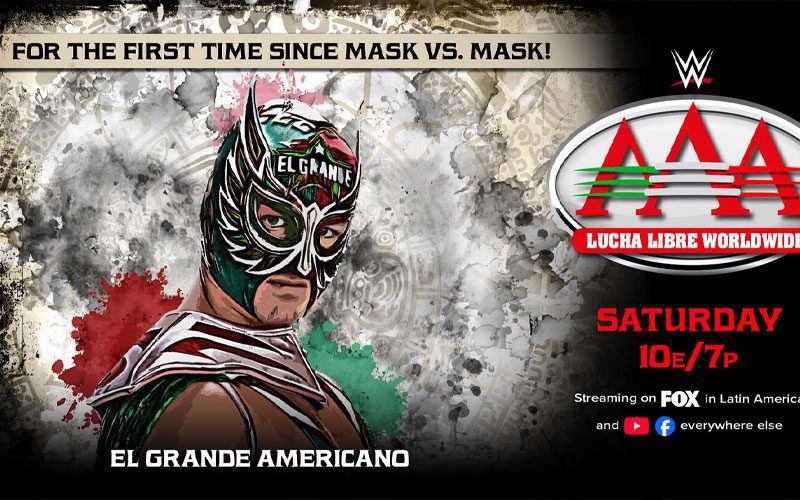
AAA looks to prove its worth on FOX amid a cold summer for touring shows
3 hours ago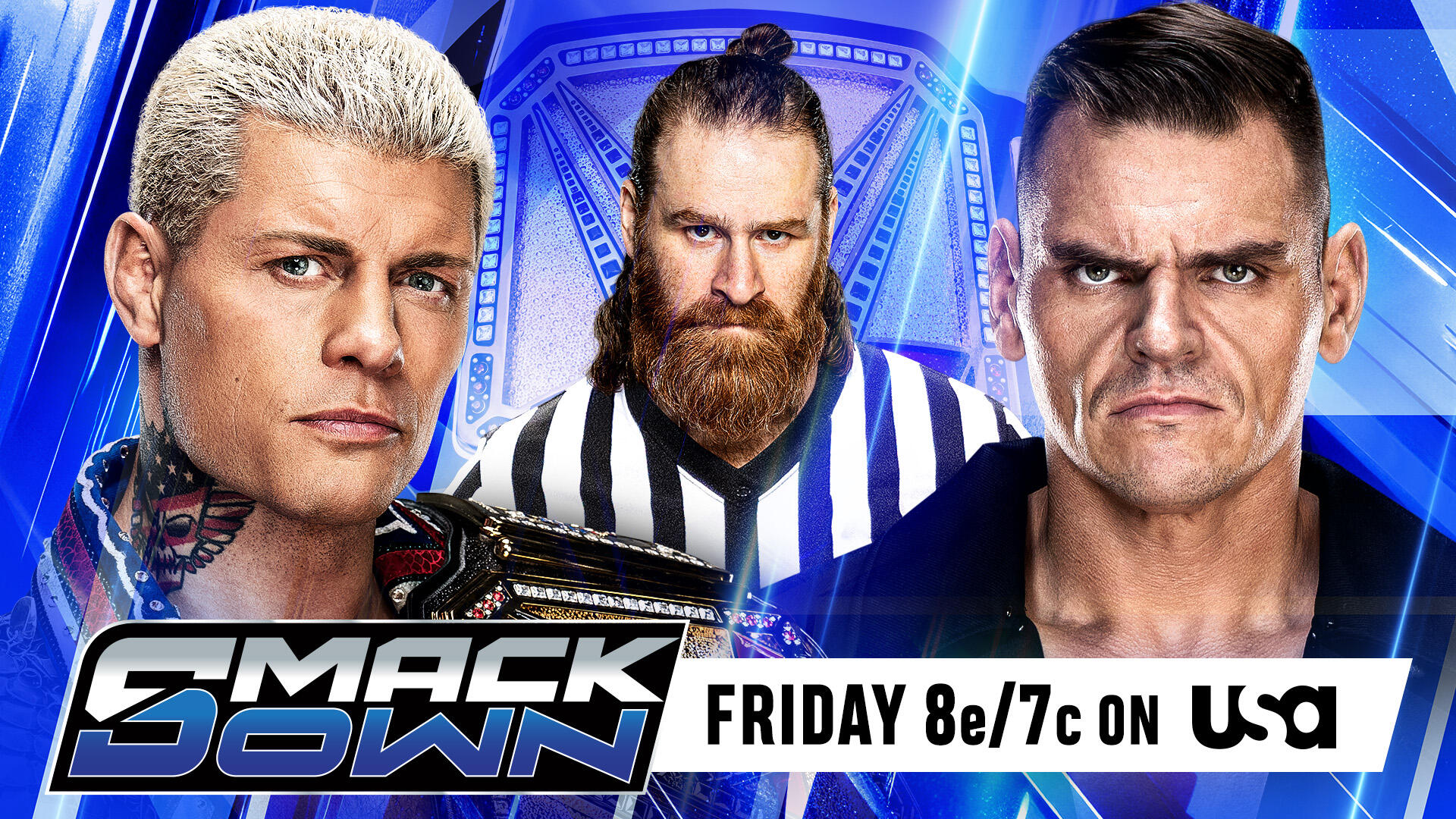
SmackDown numbers in Kansas City suggest a cooling trend for WWE's road show
3 hours ago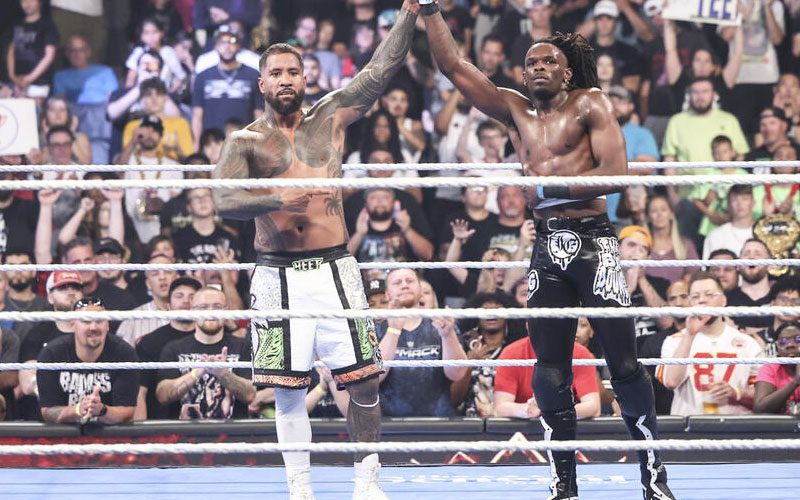
Jey Uso’s King of the Ring run exposes a massive divide in fan reception
5 hours agoMore Analysis
Why the current indie circuit focus on volume is a trap
2 hours ago
Matt Hardy fires back at TNA sale rumors
2 hours agoSmackdown is shrinking and that is a godsend
2 hours ago
Avery Styles is stepping into the squared circle and the pressure is massive
3 hours ago