The night the blueprint for the SmackDown GM changed forever
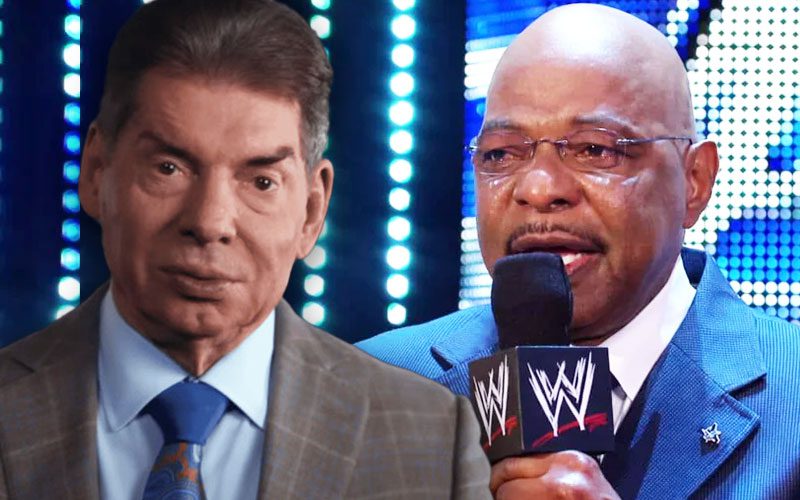
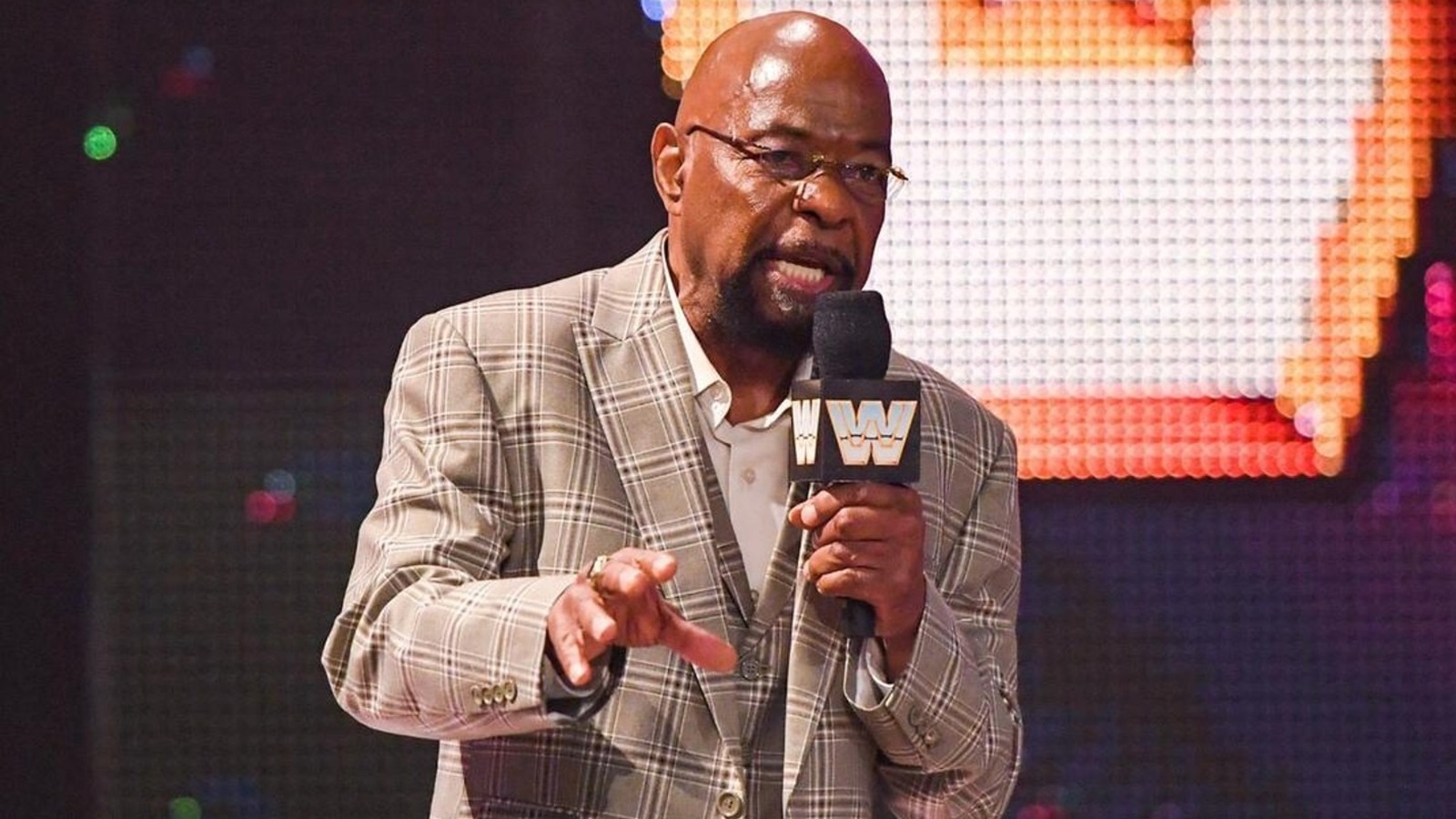
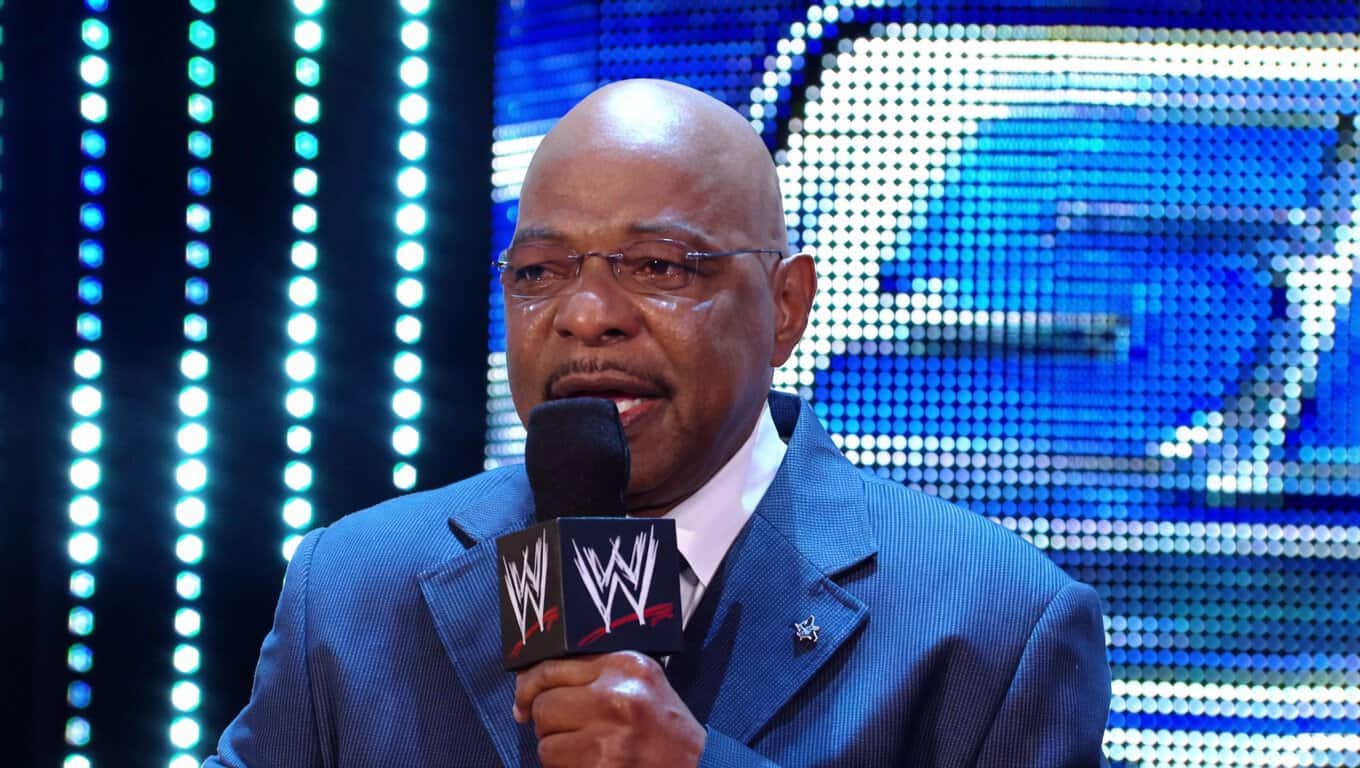
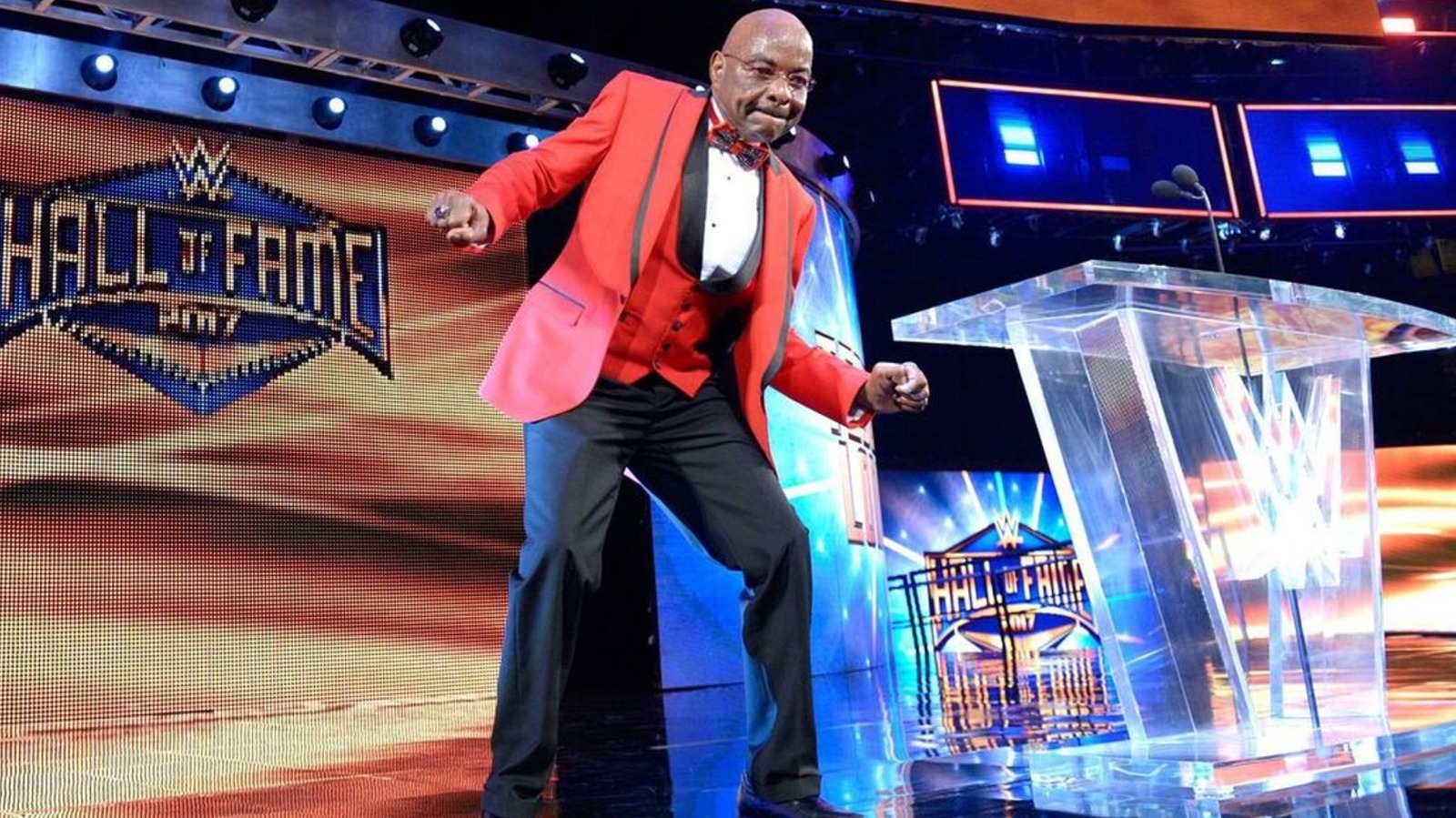
We all remember the catchphrases. We all remember the tag team matches. But if you dig into the history of WWE authority figures, Teddy Long stands alone as the guy who actually understood the assignment better than anyone in a suit. His promotion to SmackDown General Manager in 2004 wasn't just a random casting choice; it was a shift in how the blue brand operated.
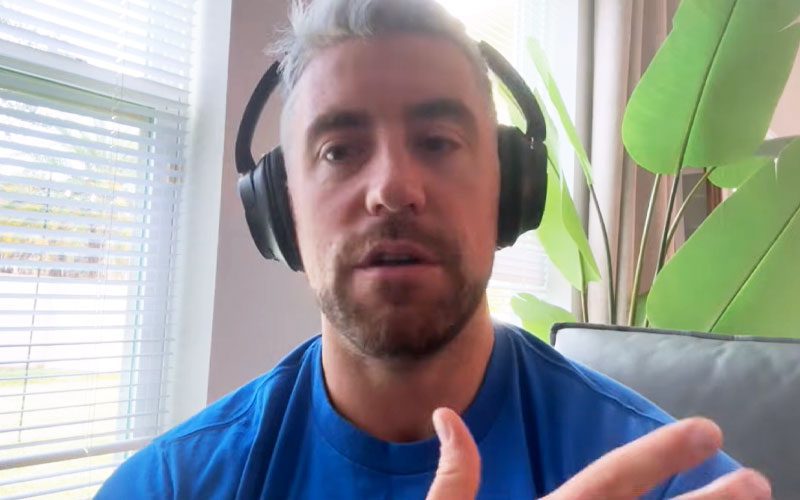
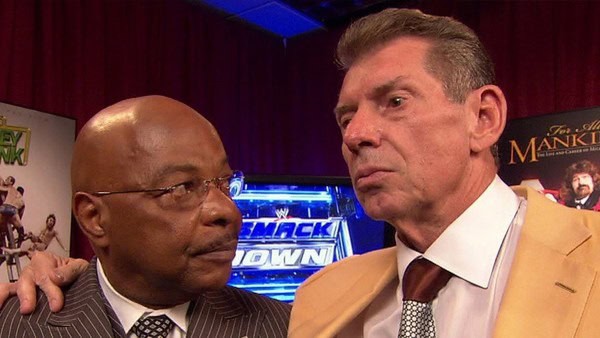
According to recent comments from Teddy Long, the transition wasn't exactly a long-planned masterstroke. He found out about the gig mere hours before the cameras started rolling. Imagine being handed the keys to a multi-million-dollar wrestling kingdom while you are still trying to figure out where to park your car. Most people would have folded under the pressure of trying to fill those shoes.
Teddy didn't just survive; he turned the role into a permanent staple of the show. He was told to look at how Eric Bischoff handled things on Raw, but Teddy clearly decided that following a script to the letter wasn't for him. He offered a contrast in energy that made SmackDown feel like its own planet, rather than just a second-rate waiting room for the flagship roster.
The unsung art of the tag team obsession
Let's address the elephant in the room. Every fan on the planet knows exactly what happens when a wrestling show reaches a lull. You know the bit. Teddy Long walks out there, his hand movements are perfectly rhythmic, and suddenly a tag team match is born out of thin air. It was a meme before memes were even a thing on the internet.
Critics often point to this as lazy booking, and honestly, they aren't entirely wrong. It got to the point where the audience could predict the chaotic outcome of every segment by the 15-minute mark. If two guys were arguing in the back, you were 100% getting a tag match. It was a repetitive crutch, but it worked because Teddy sold it like he was gifting us the WrestleMania main event every single Friday.
Looking back at the timeline, it is clear that Teddy navigated an era of massive roster shifts. While Raw focused on the main event picture, SmackDown under his watch often felt more like an ensemble cast of characters. He gave guys like Booker T and JBL the space to act like absolute lunatics. That is the genius of a great GM—you don't book the match, you book the chaos and get out of the way.
The legacy of the suit and the catchphrase
There is a specific feeling you get when you step into a WWE arena today, but it lacks the organic texture of 2005. Back then, everything felt a bit more like a wild west shindig. Teddy Long was the glue keeping the madness from boiling over into a total disaster. He was the straight man in a room full of absolute degenerates.
We have seen plenty of people struggle to replicate that kind of authority since. Whether they are the silent, brooding type or the over-the-top villain, nobody really hit that sweet spot of being a beloved, slightly incompetent, yet totally essential figurehead. He never took himself too seriously, which made him infinitely more likeable than the guys who treat their TV role like they are running for office.
If you look at how he was asked to model his behavior after others, it makes his actual output even more impressive. He took a suggestion and warped it into his own brand. The fact that fans still chant for a tag match whenever a GM appears on screen is the ultimate proof that the man left an indelible mark on the industry. It wasn't just about the titles; it was about the vibes.
We are currently living in a landscape where authority figures are either invisible or way too involved in the in-ring outcomes. Bring back the days of a guy who just wants to see someone tag in, throw some clotheslines, and call it a night. Teddy Long wasn't just filling a vacancy; he was building a cult-like following that honestly has never really faded away.