King of the Ring and the weight of legacy
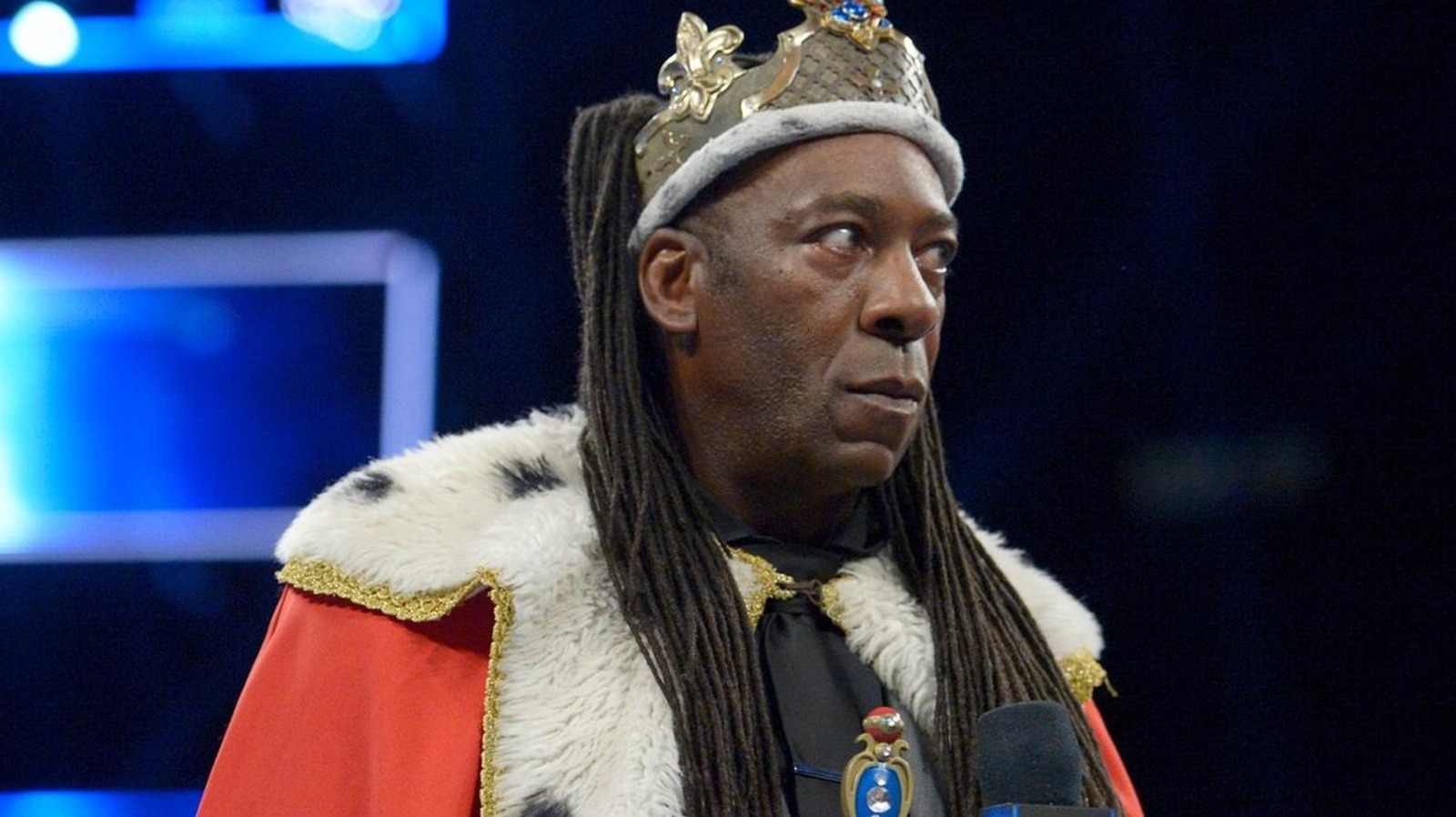
Professional wrestling remains a sport obsessed with its own hierarchy. When a recent poll placed Booker T fourth in the all-time list of King of the Ring winners, the Hall of Famer did not mince words. He publicly asserted that his tenure as King Booker belongs at the very top of that list, with only Randy Savage serving as a legitimate peer during the tournament's storied history.
This is not merely hubris; it is a tactical assessment of how a character evolution sustains a product. Booker T shifted his persona entirely upon winning the crown, adopting an affected British accent and a stately demeanor that transformed his in-ring efficiency into a theatre of the absurd. The performance was consistent, rarely dropping in quality during his 2006 reign, which stands in stark contrast to other winners who treated the title as a throwaway gimmick.
The strategic failure of the tournament format
As Wrestling Inc reported, Booker T’s dissatisfaction stems from a deeper issue regarding how wrestling history is codified. Fans often prioritize nostalgia over the actual utility of a character in the medium term. While historical winners like Bret Hart or Stone Cold Steve Austin defined an era, their tournament victories were episodic chapters rather than comprehensive character overhauls.
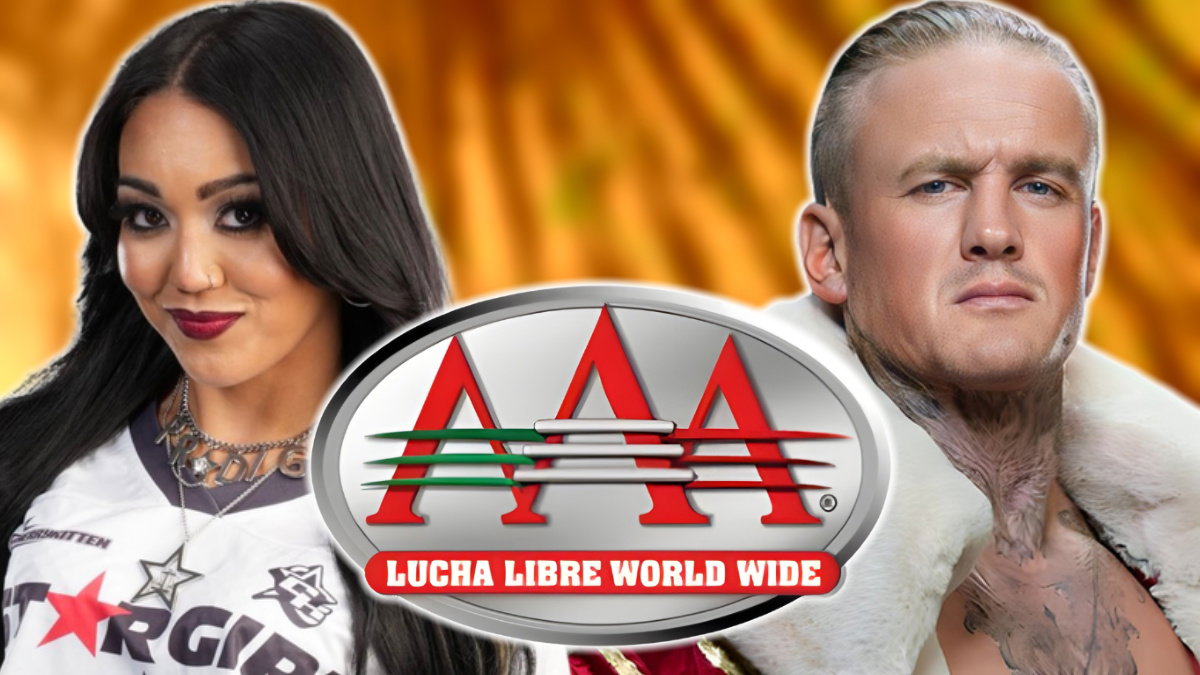
The current scheduling of such tournaments often falls short because the winners lack the creative runway Booker T secured. Without the sustained mid-card push or the willingness to lean into the inherent ridiculousness of the crown, the winner quickly fades into irrelevance. This mirrors the operational stumbles seen in the AAA expansion efforts, where talent acquisition outpaces actual long-term narrative utility.
Why the 2006 reign holds up
Analytically, the King Booker character succeeded because of its spacing. He utilized the environment to his advantage, rarely engaging in high-risk exchanges that didn't serve the narrative pace of the match. His 74-day reign as World Heavyweight Champion, built on the back of his tournament success, remains a clear example of how to maximize a persona's shelf life.
Compare this to modern booking, which often forces a tournament winner into a title match within 48 hours. By front-loading the significance, the promotion kills the mystique of the crown. Booker T points to Randy Savage as the benchmark for a reason; Savage knew that the presentation of the King is more important than the quality of the wrestling matches themselves. The match is the frame; the persona is the art.
The booking perspective
The skepticism directed at modern polls from veteran talent is grounded in reality. When management ranks performers without considering the specific demands of the era, the entire industry loses credibility. Booker T deserves to contest the fourth-place ranking.
His analysis is precise: prioritize the evolution of the performer over the historical aggregate. If future tournaments don't provide the winner with enough breathing room to develop a distinct persona, the prestige of the King of the Ring will continue to decline. The current trajectory suggests we are heading toward a period where the tournament is synonymous with stagnation rather than elevation.
Prediction: The industry will continue to devalue tournament history until they adopt the 2006 model of creative investment. Booker T’s legacy is secure, but the tournament itself is currently in a 2-star slump that requires booking intervention or a complete re-evaluation of its purpose.