Booking by reaction: The structural failure of WWE's mid-2010s pivot

The reactive booking of the mid-2010s
In wrestling, the most transparent way to spot an unplanned creative direction is to look at the personnel changes that stem from unexpected injury. During the mid-2010s, WWE frequently found itself trapped by its own lack of depth. When marquee plans fell through, the booking office did not recalibrate; they scrambled. The transition from established programs to improvised tag teams remains an indictment of that era's creative philosophy.
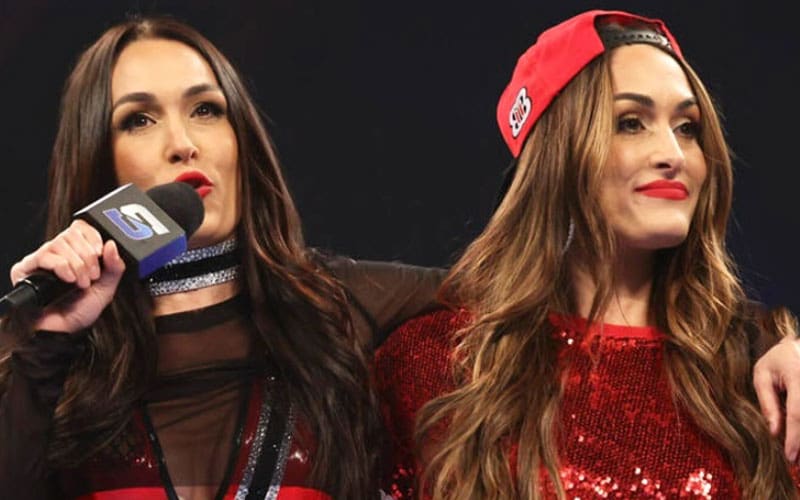
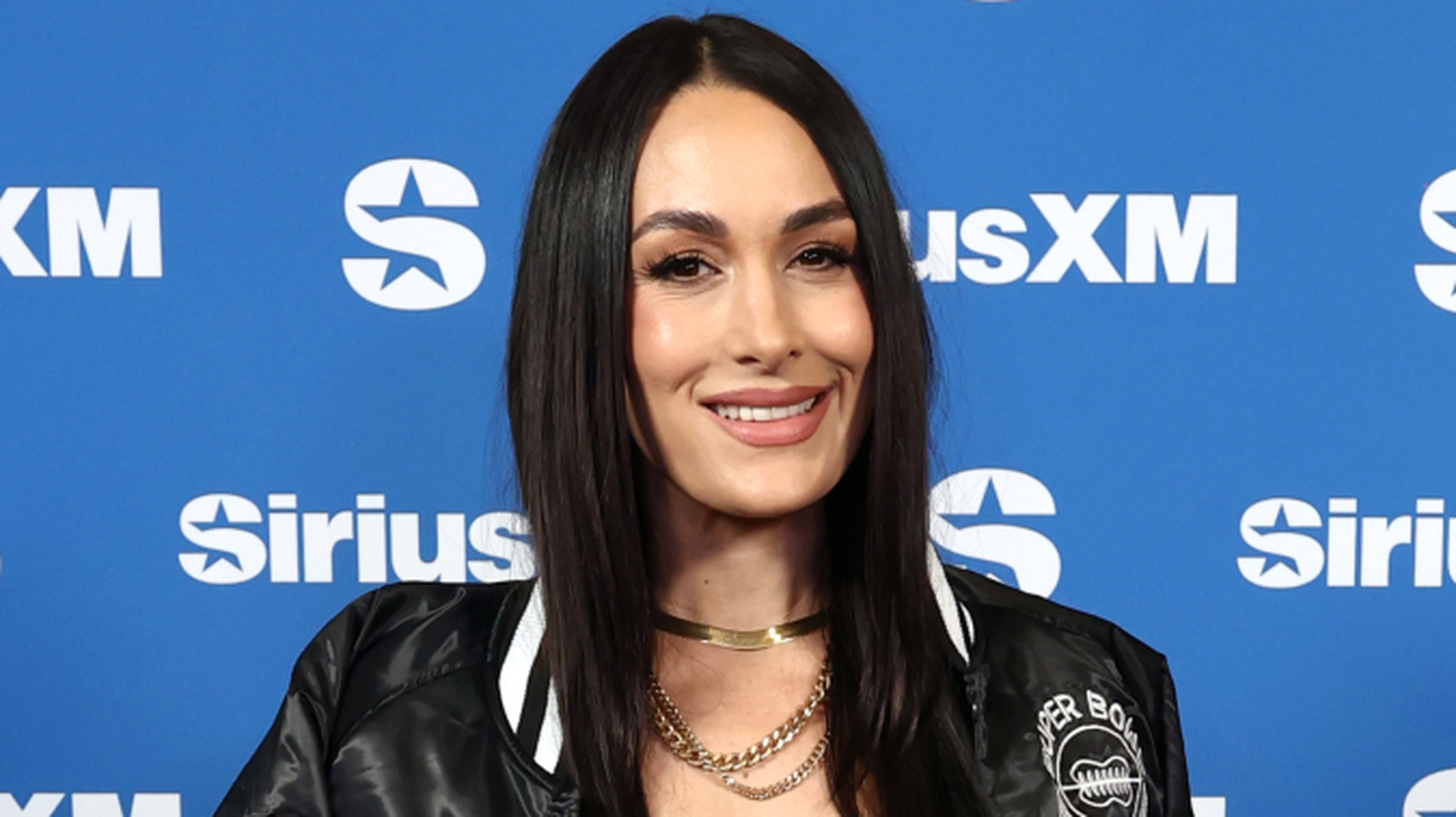
Consider the logistical scramble following Nikki Bella’s documented ankle injury. Rather than elevating new singles talent to fill the gap, the creative team opted for the path of least resistance: slotting Brie Bella alongside Paige. This was a classic mid-card contingency plan. It functioned as a placeholder, not a story-driven necessity.
The cost of tactical improvisation
The decision to pair Brie Bella with Paige failed because it lacked inherent narrative stakes. It was a statistical adjustment to maintain screen time for established names, not an attempt to build a coherent division. High-level wrestling relies on established rhythm, and removing a pillar like Nikki Bella forced everyone else into stunted, awkward positioning. As recent retrospectives highlight, the management of that division prioritized keeping faces on television over long-term consistency.
Miscalculations in the ring
The tactical output of these makeshift teams was often abysmal. Matches lacked the sequence fluidity observed when partners have genuine chemistry. We saw frequent miscommunication on simple spot maneuvers and tag-ins that looked less like coordinated strategy and more like desperation. These segments were not designed to get someone over as a star; they were designed to occupy a 12-minute slot in a three-hour broadcast.
Data, depth, and the Ronda Rousey variable
Contrast the mid-2010s churn with the recent fixation on high-impact, short-duration spectacles. The industry now trends toward hyper-efficiency, best exemplified by the recent buzz surrounding Ronda Rousey. Her return to the cage, which peaked in a 17-second clinical dismantling of Gina Carano, offers a grim benchmark for how far wrestling culture has drifted toward favoring instant gravity over slow-burn character development.
Nikki Bella’s public desire to challenge Rousey after that 17-second finish is revealing. It shifts the discussion from "who is the better storyteller" to "who provides the faster highlight." While the mid-2010s suffered from overbooked, aimless segments, the current push toward lightning-fast combat lacks the foundational work required to make a collision feel significant beyond its novelty.
Where the booking failed
The fundamental mistake in the Brie Bella and Paige pairing was the lack of a defined goal. They were not chasing titles nor settling a blood feud. They were existing to fulfill a contract with a slot. A promotion truly invested in its division would have utilized that injury-induced vacuum to test a newcomer, but the mid-2010s promotion relied on the comfort of the familiar. It was a tactical retreat disguised as a creative choice.
When we look at footage from that period, the absence of clear motivation is striking. Matches happened because they were scheduled, not because they were earned. To compare this to a real sporting event like the upcoming UCL final, the personnel might change, but the tactical structure remains. During the mid-2010s, the personnel changed, and the structure collapsed entirely. It was, in short, a creative bankruptcy that wasted the talent on the roster.
WWE Cody Rhodes Elite Collection Action Figure
Bring the American Nightmare to your shelf with this highly detailed, poseable f
Frequently Asked Questions
Why did WWE create makeshift tag teams in the mid-2010s?
What impact did Nikki Bella's injury have on WWE booking?
How did makeshift pairings affect match quality during this period?
What is the primary difference between mid-2010s and modern booking?
What fundamental flaw existed in the Brie Bella and Paige team?
More Coverage
Seth Rollins knee injury timeline creates major booking headache for WWE
9 minutes ago
Is AJ Styles finally packing his bags?
28 minutes ago
The math behind WWE's thin heel roster
28 minutes ago
Top 10: Defining Wrestling Milestones of 2026
an hour ago
Top 10: Defining WWE Moments of the Modern Era
an hour ago
Why Madison Square Garden proved WWE still needs to refine its main event story
an hour agoMore Analysis
Brie Bella and Paige team-up was a desperate scramble, not a masterpiece
1 month, 3 weeks ago
Brie Bella and Paige: Analyzing the mid-card churn of the 2010s
1 month, 3 weeks ago
Paige's emotional UK return exposes a massive WWE tag team booking crisis
3 weeks agoSmackDown’s tag division is stuck in a loop of diminishing returns
1 month, 1 week ago