The transition from tag team safety to solo exposure
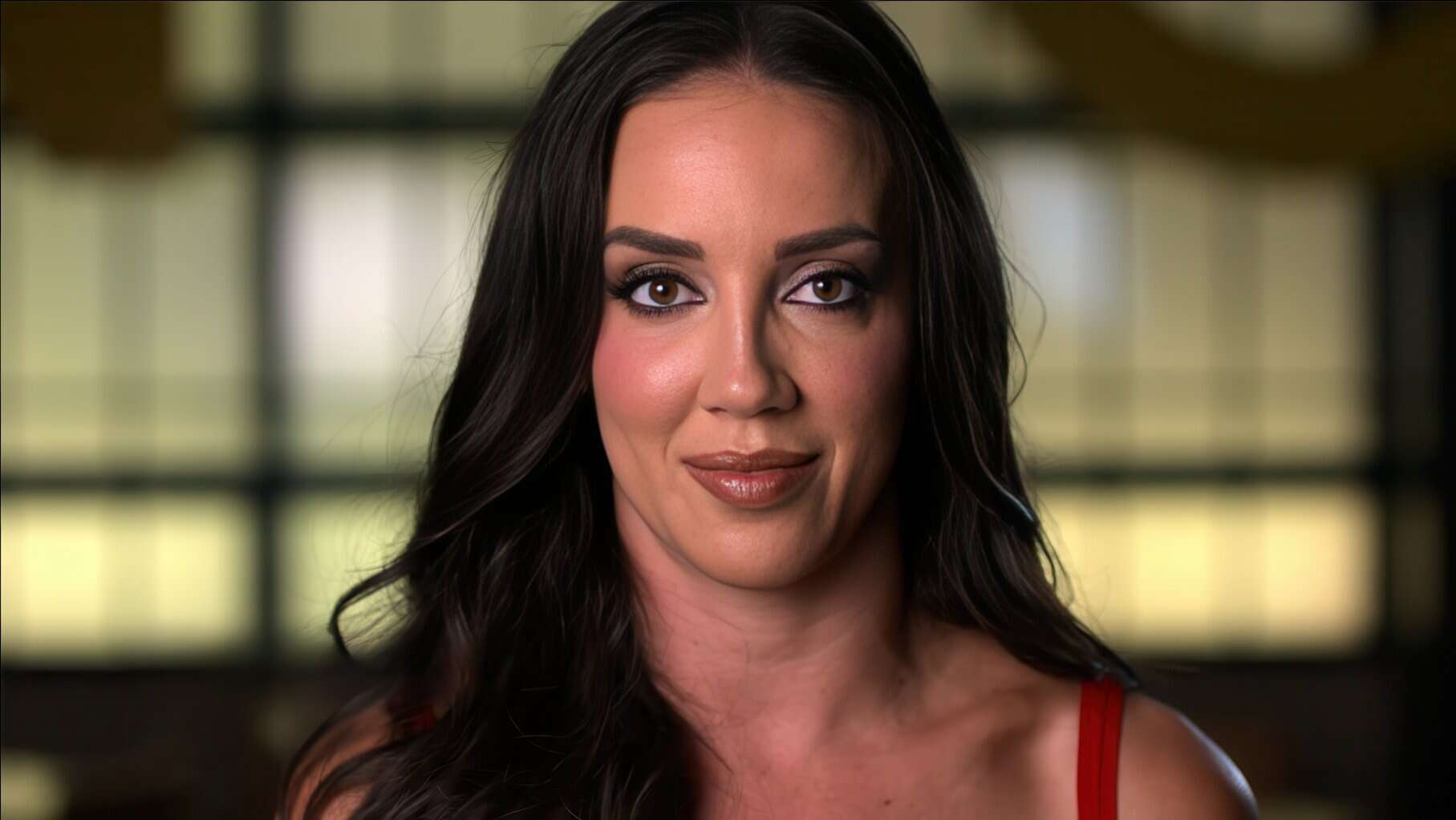
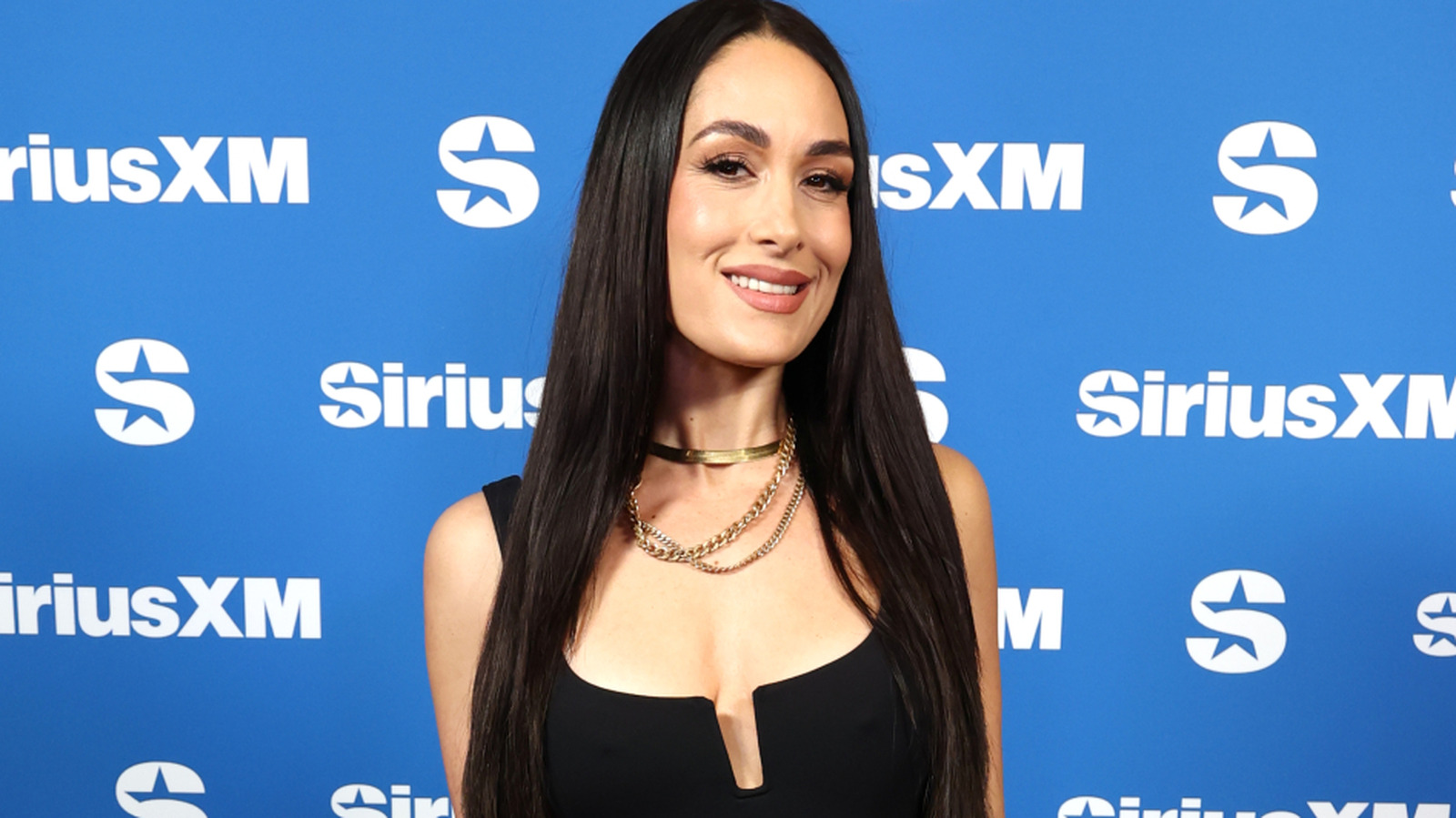
The news that Brie Bella is looking to break out of the tag division and launch a singles run has sent a jolt through the online wrestling community. As reported by Wrestling Inc, Brie has spent her recent run post-return focused on tag work, but she is now eyeing the solo ranks. It is a bold ambition.
Whether this move is driven by creative dissatisfaction or a personal desire to test her limits, the timing is highly questionable. The current women's division is not the same division she dominated a decade ago. The workrate expectations have shifted dramatically.
To survive as a singles competitor today, you need more than star power and a catchphrase. You need the aerobic capacity to work high-tempo matches without the safety net of a tag partner. Tag team wrestling allows for hiding physical limitations.
You work a quick two-minute burst, hit your signature spots, and tag out to let your partner absorb the bump. Brie's return matches so far have followed this exact formula. She enters on a hot tag, runs through her comeback sequence, and exits.
Her average active ring time per match since her return sits at just four minutes per bout. Asking a performer who has been protected in this manner to transition into fifteen-minute television singles matches is a recipe for exposure. The structural differences between tag matches and singles contests are night and day.
Without a partner to absorb the damage, every flaw is magnified under the arena lights. Modern wrestling fans expect a seamless flow. The transition from lockup to chain wrestling to high-impact maneuvers must be fluid.
In the tag division, Brie has been able to bypass the grueling middle phases of a match. She has not had to work a sustained heat segment or sell a targeted body part for ten minutes. Jumping straight into singles competition will force her to confront these pacing challenges head-on.
Historically, Brie's singles matches have relied on a formulaic babyface comeback structure. This structure is heavily dependent on the heel doing the heavy lifting during the heat segment. If she is paired with a less experienced worker, the match quality will drop precipitously.
We have seen this happen with other returning veterans who struggled to maintain the ring generalship required of a solo act. The speed of the division has simply outpaced their muscle memory.
Deconstructing the Bella match template
To understand why this singles run is a risky proposition, we must look at Brie's historical match mechanics. Her offense has always been highly reliant on crowd participation and signature theatrical spots. The second-rope missile dropkick, the running knee to an opponent draped on the middle rope, and the "Yes! Kicks" form the spine of her arsenal.
These moves require specific setup times that slow the pace of a match. In a tag match, these pauses are filled by the crowd's anticipation. In a singles match, they become dead air.
A modern audience quickly grows restless when a heel has to wait in position for a slow-developing babyface comeback. The visual of an opponent hanging on the ropes for five seconds waiting for a running knee strike breaks the illusion of combat. It pulls the viewer out of the sports-like presentation WWE now favors.
Worse, her execution has occasionally lacked the crispness required in today's main-event style. Her running knee strike often relies on the opponent doing the heavy lifting to make it look devastating. During her last extended singles run, her clean match finish rate was under thirty percent, with the majority of her victories coming via roll-ups, distractions, or outside interference.
Her suicide dive, while popular, frequently suffers from a lack of horizontal drive. It often looks more like a controlled tumble than an explosive strike. In a division populated by precise strikers and high-flyers, these technical deficits will stand out.
Watch her match from her previous run against Stephanie McMahon. While the drama was high, the actual physical transitions were sluggish. The footwork was tentative, and the spacing in the corners was transitionally off.
That style does not work against the current generation of athletes who treat every transition as an opportunity for a counter-strike. In 2026, fans demand athletic realism over melodrama.
In the modern era, if you miss a cue by half a second, the match looks sloppy. The margin for error has shrunk to almost nothing. Brie's signature moveset requires her to be in perfect sync with her opponent.
If she faces a fast-moving counterpart who refuses to slow down, the timing discrepancies will be painfully obvious to the viewer. This is not about nostalgia; it is about keeping up with a roster that trains like Olympic athletes.
The logjam at the top of the division
The biggest obstacle to Brie's singles ambitions is the sheer quality of the roster. WWE's women's divisions are currently anchored by elite in-ring technicians. Wrestlers like Rhea Ripley, Charlotte Flair, and Bianca Belair have set a new standard for physical excellence.
These women do not just wrestle; they construct complex physical narratives. They work at a pace that forces opponents to react instantly. A slower, more deliberate worker like Brie will struggle to match their step-for-step velocity.
Furthermore, WWE's television booking has become increasingly ruthless with ring time. Modern matches are structured around commercial breaks, requiring wrestlers to maintain intensity during non-televised segments. If Brie cannot sustain a high workrate for ten minutes straight, her matches will feel disjointed.
We saw this issue plague several returning veterans in recent years. They struggle with spacing, miss their cues during transition spots, and end up looking lost. Brie's reliance on theatrical babyface fire will not cover up these structural holes against opponents who work with clinical precision.
The mid-card is also packed with hungry talent who will not benefit from losing to a returning veteran. Feeding them to Brie Bella for the sake of nostalgia booking would be a step backward for the division. The creative team knows that long-term viewer engagement depends on building new stars.
The prediction: A gatekeeper destination
So, how does this play out? The booking office is not going to hand Brie Bella a championship run. The days of relying on Divas-era stars to carry the top titles are over. Instead, WWE will use her name value to elevate the next generation of talent.
Her singles run will start with a couple of showcase victories on television against lower-card opponents to establish her as a threat. The creative team will protect her by keeping these matches short, under five minutes. But this protection cannot last forever.
The peak of this run will occur at a major PLE later this year. She will be positioned as a veteran hurdle for a rising star, most likely Tiffany Stratton or Lyra Valkyria. In that match, Brie's physical limitations will be laid bare.
She will put up a valiant effort, hitting her signature spots to get the crowd behind her, before falling clean to a more athletic opponent. The match will likely run around twelve minutes, exposing her cardiovascular tank by the eight-minute mark.
Ultimately, this singles run will not be a triumphant return to the championship picture, but rather a final, professional hand-up to the women who will run the division for the next decade. It is a necessary transition for her legacy. Anything more ambitious is simply wishful thinking.