The status of the Big Gun
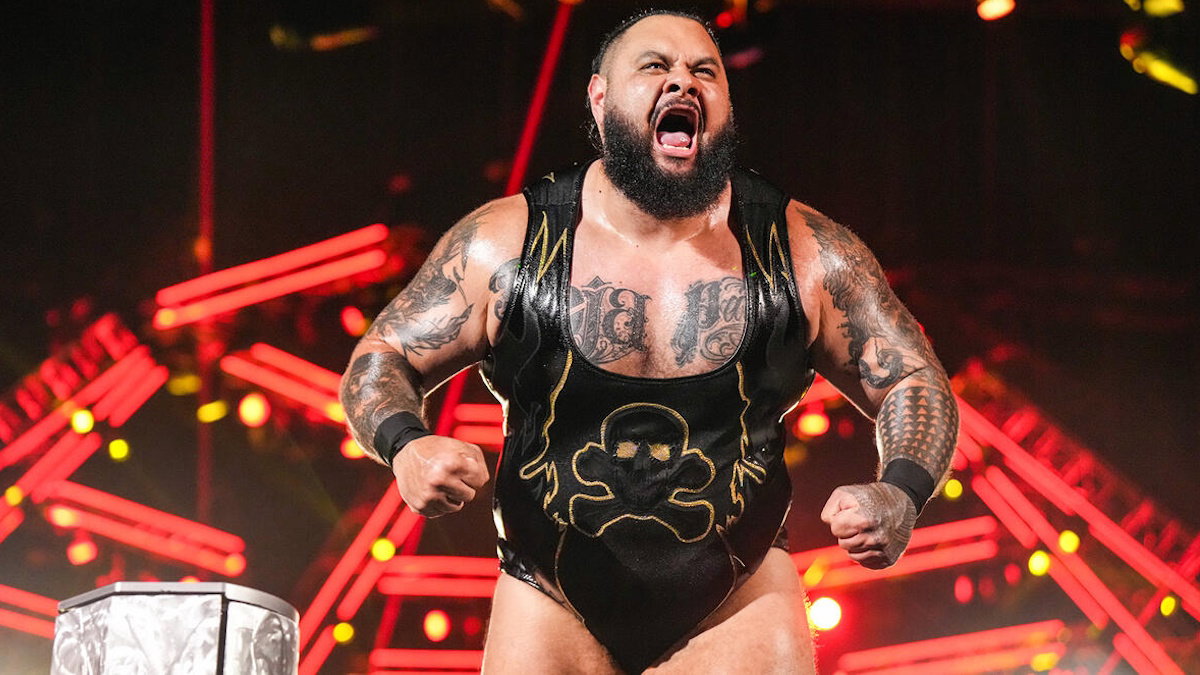
Bronson Reed is inching toward a return to television. The heavyweight has been sidelined since the February 23 edition of Raw, where he last appeared in competition. Fans have questioned his whereabouts for months, but Reed recently broke his silence on social media, suggesting his return to the WWE fold is imminent.
His message, stating that fans require his presence, serves as the first real indicator of a timeline. While the specific nature of his injury remains undisclosed by the promotion, his absence has exceeded 100 days. This duration typically suggests a significant soft tissue issue or a recovery period following a clean-up procedure.
The strategic vacuum in the mid-card
The absence of a performer with Reed’s physical profile creates a functional hole in the Raw roster. WWE has leaned heavily into smaller, high-velocity workers during the spring, leading to a noticeable void of genuine heavyweights who can believably threaten top-tier opponents. Without Reed to act as a gatekeeper, the division currently feels weighted toward speed over impact.
Booking has struggled to replace his specific utility. Reed functions as a wrecking ball—the kind of worker who forces babyfaces to sell desperation. His absence forced WWE to cycle through other talent in the mid-card, yielding inconsistent results. Raw has seen various feuds cycle through the IC title picture, but none possess the gravity Reed brings to a standard television match.
Historical context of recovery
Prolonged absences followed by sudden returns are a staple of the current WWE medical protocol. Wrestlers missing large chunks of the calendar often return via surprise slots, a tactic intended to reset momentum instantly. We have seen this play out with talents like Seth Rollins and Charlotte Flair previously, though Reed fits the bill of a challenger rather than a main-event anchor.
His return needs to be handled with surgical precision. If he steps back into the mix without a clear narrative direction, the momentum from his February run will evaporate by the end of the first commercial break. The promotion must avoid the trap of a generic squash match just to signal he is back on the payroll. He needs a high-stakes program immediately.
Assessing the risk
A critical observation involves his previous booking. Before the February 23 hiatus, Reed had struggled to find a consistent win-loss trajectory despite his physical dominance. Injuries in professional wrestling often exacerbate existing creative ruts. If he returns to the same 50/50 booking patterns that defined his late 2025 run, the crowd will quickly lose interest in his status as a threat.
The current landscape of WWE favors those who can adapt their pace. Reed is a relic of old-school power wrestling, moving at a speed that demands perfection from his opponents to remain safe. Any lack of sharpness upon his return could lead to further complications, as we have seen with other heavyweights attempting to move at the modern velocity of the main roster. He must prove he can maintain his intensity without compromising his physical baseline.
Looking ahead to the summer
As WrestleTalk reports, the anticipation regarding his return is building. With summer touring schedules accelerating, having a fresh, protected powerhouse in the mix is necessary. Whether he re-enters the Intercontinental bracket or targets a tag-team vacancy, his reentry will shift the power dynamic of the Raw broadcast.
Fans should expect to see him return within the next few weeks. Keep an eye on his social media for direct cues, as his recent activity suggests he is currently clearing medical red tape. If he arrives before the end of June, he can still salvage a meaningful summer campaign.