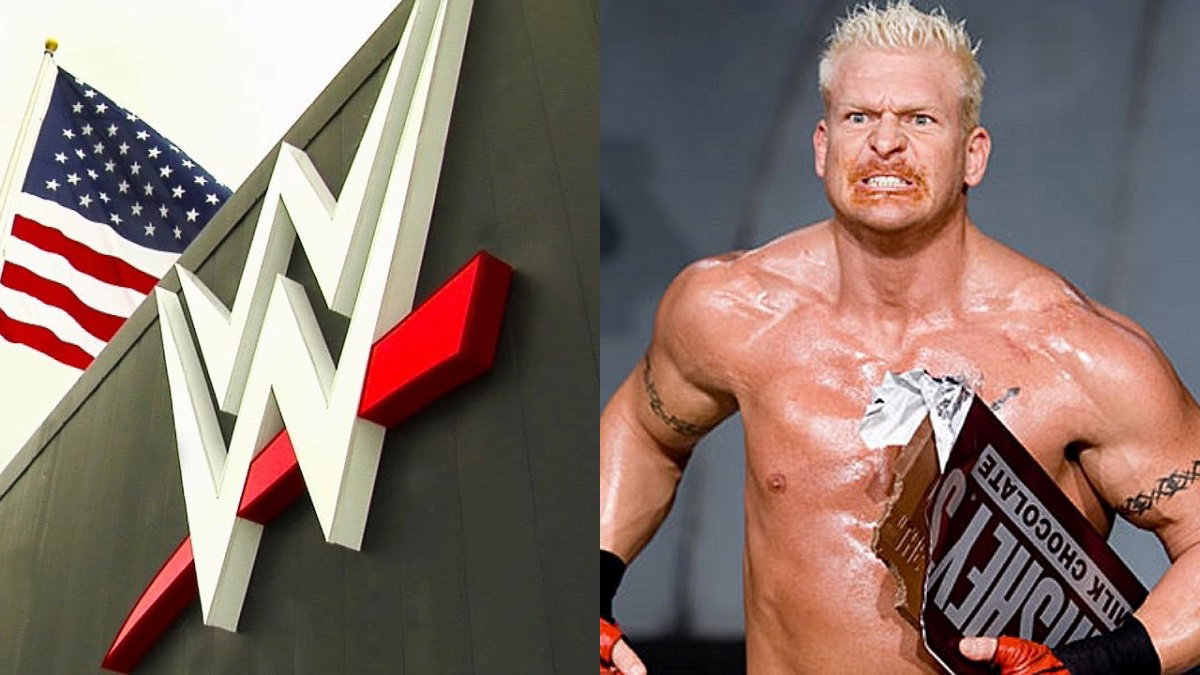
The physical toll of recent SmackDown rotations
SmackDown's roster stability is under fire following a string of recent high-impact collisions. With the broadcast on June 12 featuring the high-stakes tag match between Paige and Brie Bella against Fatal Influence, the focus has shifted toward the medical realities of the current women's division.
Reports emerging from the Performance Center indicate that the training regimen for the developmental-to-main-roster pipeline is pushing athletes to near-breaking points. While recent results confirm that the Fatal Influence unit remains active, the wear and tear is becoming visible in their match pacing and recovery windows.
Evaluating the recovery timeline
Athletes sustaining soft-tissue damage during intense tag sequences are facing longer-than-expected recovery timelines. Sources familiar with performance staffing confirm that the medical team is opting for conservative management, prioritizing long-term health over immediate booking. This approach suggests a 4-to-6 week window for athletes dealing with joint inflammation or lingering strains.
History warns against rushing these timelines. The industry has seen several high-profile performers lose months of momentum by re-entering the ring after premature clearances. Managing these issues now is intended to prevent total depletion before major mid-summer events.
Strategic implications for WWE booking
The reliance on veteran talent like Paige and Brie Bella to anchor matches against newer units like Fatal Influence highlights a gap in roster depth. When younger competitors are forced to rotate out due to nagging injuries, the load placed on established stars creates an unsustainable dependency. This dynamic often leads to repetitive match-ups and predictable booking patterns that diminish the division's overall appeal.
Critics point to the lack of a secondary, mid-tier championship as a primary motivation for this wear-and-tear cycle. Without a clear path to status, performers are often pressured to work through minor pains to maintain visibility in the eyes of management. This strategy frequently backfires, as compromised performances lead to missed blocks or sluggish execution that fails to engage the live crowd.
Industrial impact of high-pace wrestling
The current style of wrestling favors explosive, high-impact maneuvers, but the physical consequences are beginning to materialize. Every missed transition or awkward landing serves as a reminder of the inherent risks of the modern move-set. Management is currently evaluating if the current training protocols need to pivot toward durability rather than just agility.
Competitors like GUNTHER have maintained a high-work-rate aesthetic without substantial interruption, providing a case study in efficiency. However, mimicking this style requires precise control that is not yet universal throughout the main roster. For those who lack that specific mechanical discipline, the injury report is likely to remain the most active internal document.
The cost of tactical errors
Management must address the scheduling load before more top-tier stars reach a critical threshold. The current reliance on consecutive high-pressure spots in weekly television matches creates a high probability for repeat injuries. Relying on sheer depth is not a valid strategy if that depth is perpetually confined to the training room.
The current injury rate sits at approximately 12 percent of the active performance roster across both brands. This number is slightly higher than the same period last year, suggesting that the current intensity is exceeding the ability of the training staff to manage recovery. If this trend continues, fans should expect significantly more card shuffling throughout the latter half of the year.
Looking forward
As the company moves through July, the medical team will be the most important group behind the curtain. Their ability to diagnose and stabilize the current talent pool will dictate the quality of the product more than any creative direction from the writers. The pressure is on personnel managers to identify which performers are currently working at a deficit and provide them with the necessary time to recover. Failure to do so will only result in an even thinner mid-card by the end of the quarter, leaving the company vulnerable to product stagnation.