The cost of the WWE ID pipeline
The recent backstage reports regarding talent pulls on June 20 are a chilling indicator of how the independent circuit function is being hollowed out. By forcing athletes to vacate bookings, the WWE ID initiative isn't just signing participants; it is actively destabilizing the scheduling of independent promotions that rely on consistent talent availability.
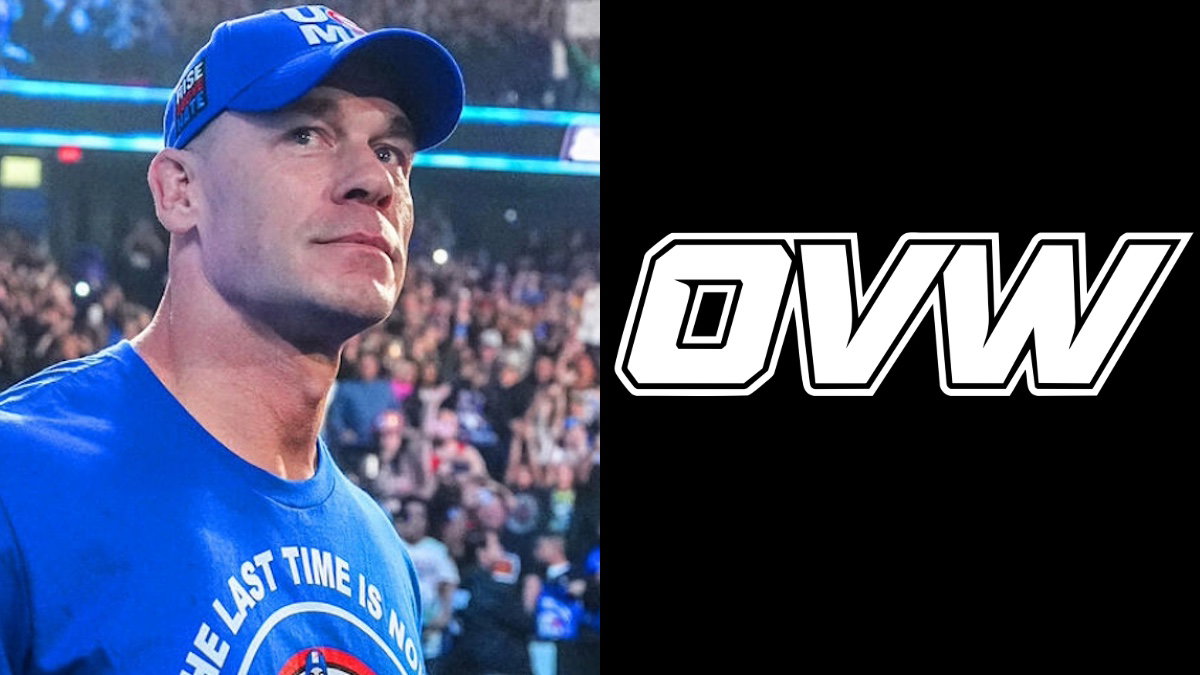
John Cena’s recent nostalgia tour regarding his OVW roots feels detached from the current atmosphere. While he praised the start to his journey, his sentiment ignores that today's talent isn't being nurtured in small, local developmental grounds. Instead, they are being drafted into a digital pipeline designed to isolate them from competition before they even set foot in a major arena.
The historical context of bad decisions
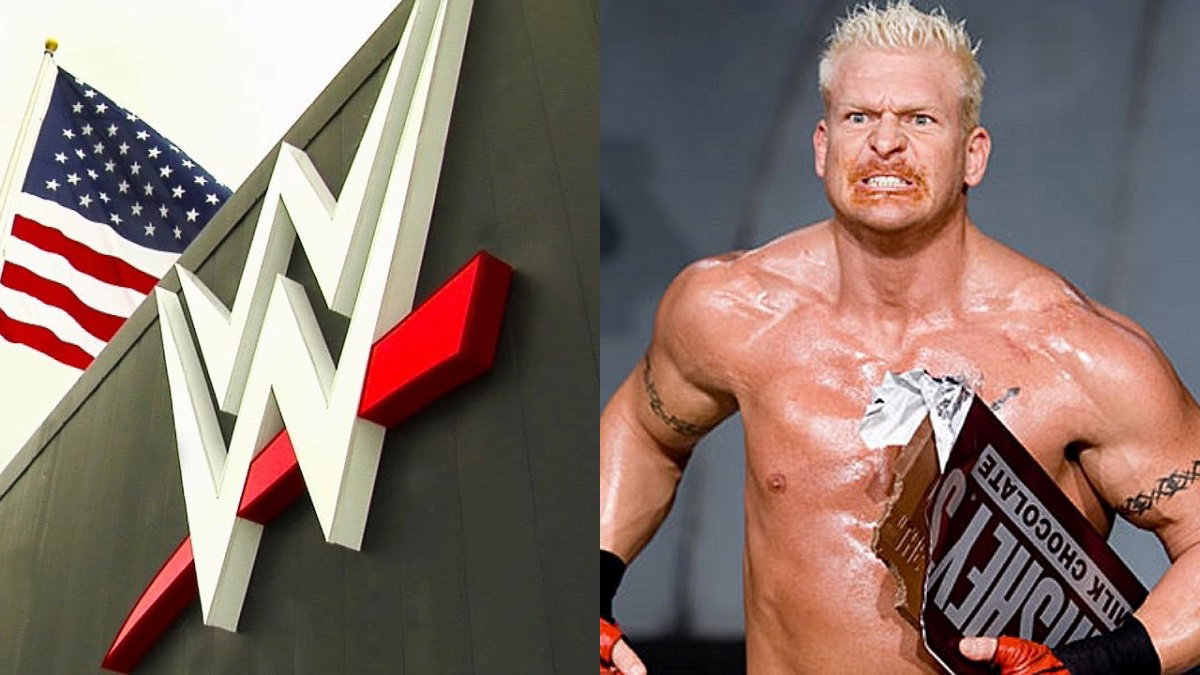
Heidenreich’s recent reflections on his 2006 release serve as a sobering reminder of the volatility inherent in this system. As reported by WrestleTalk, he accepted that his departure stemmed from a series of personal errors, but he also highlighted that the environment at the time was often built on questionable creative choices. The infamous segments with Michael Cole, which he still describes as disturbing, are a peak example of how writers often disregard the dignity of performers to satisfy a bizarre booking impulse.
We seeing a similar disregard for the organic growth of talent today. When Chelsea Green addresses her friction with creative minds like Michael Hayes, as noted by Ringside News, it confirms that structural power dynamics in WWE remain rigid. Modern wrestlers are fighting to maintain their personal agency against a machine that views them as line items on a roster spreadsheet rather than active, evolving storytellers.
Predicting the talent drain consequence
My prediction is simple: by the end of 2026, the independent circuit will experience a 40 percent drop in consistent top-tier talent availability as a direct result of WWE ID exclusivity clauses. Promoters will be forced to shift their business model to rely on transient, unproven workers because the veterans are being held in a 'pre-contract' limbo.
The current scheduling conflict on June 20 is just the first domino. We are looking at a future where independent cards are stripped of the marquee names that draw consistent gates. The consequence will be a decline in the overall quality of non-televised wrestling, as the developmental pipeline is prioritized over the health of the local wrestling communities that produced the legends of the past.
Creative frustration will also inevitably peak. Expect more reports of talent speaking out on podcasts about 'unreal' situations similar to those experienced by performers like Green. The disconnect between talent agency and corporate mandate is widening, and the current strategy effectively removes the safety net of the independent scene that once allowed stars to refine their personas away from the pressures of Stamford's cameras.