The tightening grip on the independent circuit
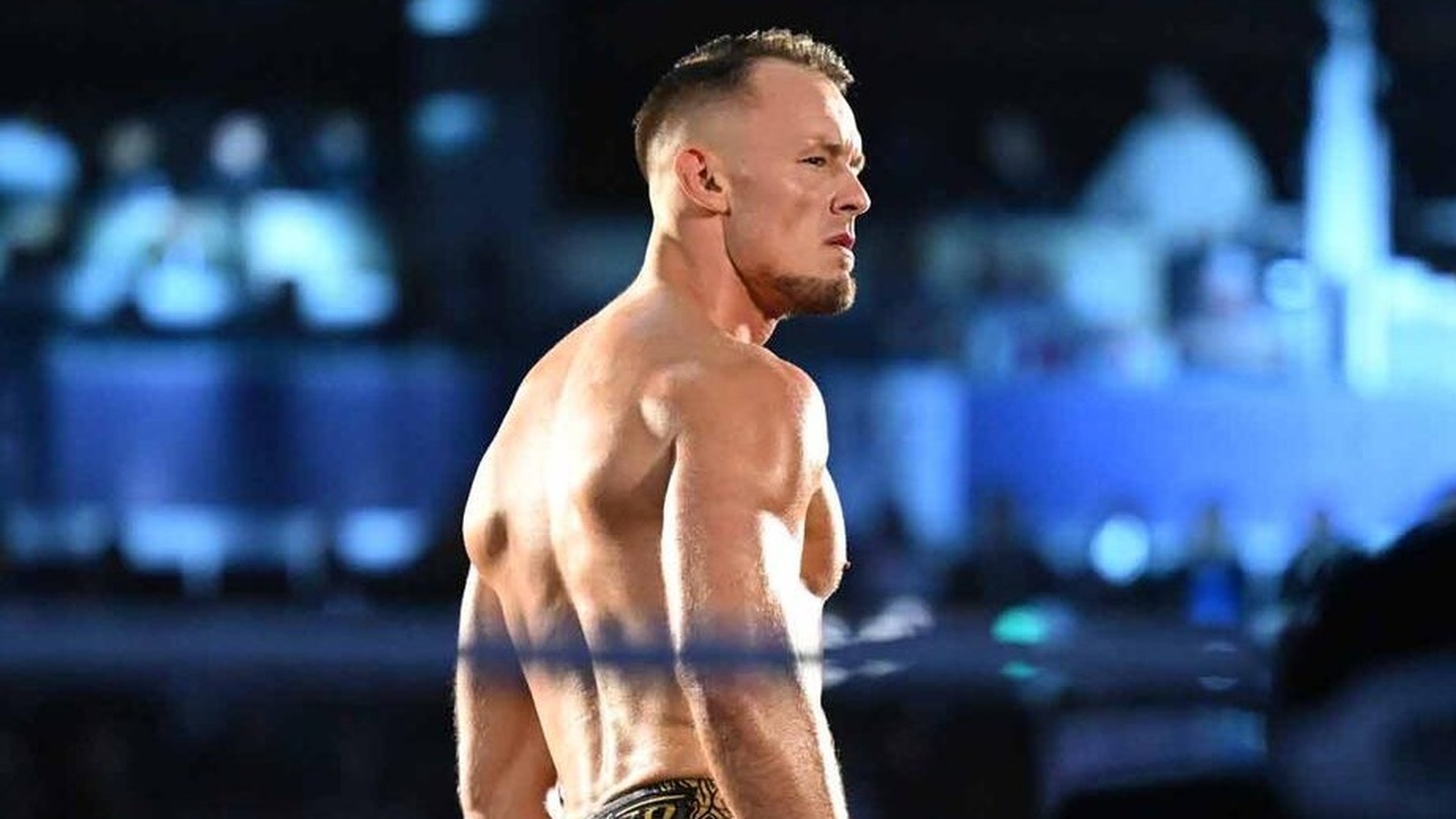
The independent wrestling landscape shifted abruptly this week. As reported by Wrestling Inc, WWE has directed athletes under its ID banner to vacate scheduled appearances at various independent events set for June 20. This is not a clerical error. It is a tactical blockade designed to test the loyalty and exclusivity clauses hidden in the fine print of these developmental agreements.
For the promoters involved, the logistics are a disaster. These independent cards were built around these specific names, likely leveraging their rising profiles to drive ticket sales and venue rentals. Pulling talent on less than two weeks' notice leaves an impossible void. Promoters must now refund tickets or pivot to frantic booking replacements who lack the star power to draw meaningful crowds.
The price of the WWE ID label
We are seeing the true cost of the developmental program. When a wrestler signs with the WWE ID program, they sacrifice the ability to work high-profile independent dates that might conflict with corporate interests. This move on June 20 suggests that any promotion maintaining a working relationship with AEW is now radioactive for these prospects.
The move feels shortsighted for talent development. Wrestlers need reps against diverse opponents to refine their timing and psychology. By restricting their calendar to specific, sanctioned environments, the company is artificially slowing the growth of its own roster. If these athletes are only allowed to wrestle in a vacuum, their technical advancement will stagnate before they ever hit the main roster.
The strategic calculation behind the cancellations
Why now? June 20 is not a major pay-per-view weekend for the industry titans, making this a calculated strike against the independent ecosystem rather than a defensive measure. It sends a message to independent promoters: your events are secondary to the brand growth of the WWE ID program. You are no longer collaborators in the wrestling business; you are potential liabilities.
Predicting the outcome of this power play is grim. I expect to see fewer independent promotions willing to feature talent that has any connection to the current developmental programs. The risk of a last-minute pull is simply too high. We are drifting toward a bifurcated world where the corporate machine and the independent circuit share zero DNA, ultimately hurting the fan experience. The talent is the only group that loses here, caught between career aspirations and the inability to work.