The WWE ID program is creating high-stakes booking instability
The cost of exclusive oversight
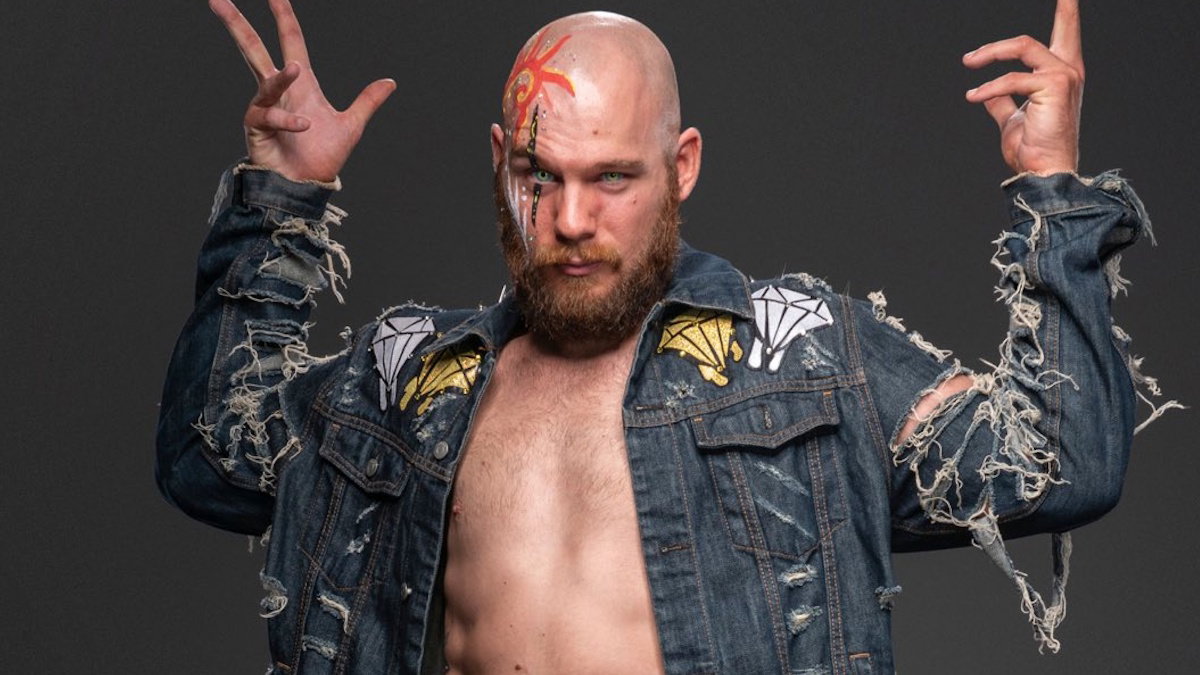
The recent removal of Aaron Rourke from the upcoming Limitless Wrestling event is a clinical case study in the friction between legacy independent promotions and WWE’s new developmental structure. Rourke, currently holding the Evolve Men’s Championship, was pulled from the card citing a vague contractual obligation. This isn't just a missed booking; it represents a fundamental shift in how independent talent is managed under the WWE ID program. We are seeing a move away from the fluid cross-promotional appearances that long defined the modern indie scene toward a rigid, corporate-controlled schedule.
When a talent signs an agreement like the one Rourke has, the unpredictability of their availability becomes a legitimate booking headache. Independent promoters rely on established names to anchor their cards. When those names are pulled with little notice, the structural integrity of a show—the angles, the marketing, the ticket sales—suffers. It suggests a lack of foresight in how these talent agreements are balanced against the needs of the wider wrestling industry.
Tactical friction and the Evolve title
Aaron Rourke being the face of the Evolve belt makes this pull even more jarring. Evolve carries a specific legacy, and having its champion unavailable for independent dates undermines the prestige of the title itself. If the champion cannot appear at the events where the grassroots fanbases congregate, the title becomes a prop in an office rather than a prize fought for in the ring. The internal logic of the independent championship scene depends on the physical presence of the titleholder. If the belt exists in a vacuum, the investment from the audience evaporates.
This situation invites skepticism regarding how much autonomy these athletes actually retain. While the WrestleTalk report confirms that the WWE ID program is officially at play, the communication breakdown is a clear failure. Fans who purchased tickets specifically to see a champion defend his gold feel the disconnect. From a tactical standpoint, if you are a promoter, how do you build a multi-month narrative around a talent who can be effectively erased from your calendar at a moment's notice?
The danger of monopolized talent flow
The wrestling industry currently sits at a juncture where organizational gravity is pulling everything toward a centralized pole. This is not necessarily a positive evolution for match quality. Competition breeds innovation; when talent is siloed, you see style homogenization. Rourke’s absence at Limitless isn't just about one man missing a single match. It is an indicator of how the independent circuit is being hollowed out, renamed, and repackaged for the benefit of institutional consolidation.
There is a noticeable flaw in the current booking logic: the assumption that a performer can grow significantly without consistent, varied reps in front of disparate audiences. The WWE ID program argues otherwise, promoting a controlled environment as better for long-term development. Yet, the evidence suggests that limiting a wrestler’s exposure to varied styles—the kind found in a locker room like Limitless—stunts the very growth they claim to encourage. A 15-minute match against an unknown opponent on an indie show often teaches more than a month of training in a sterile, supervised gym.
The fans deserve better than last-minute card shuffles. If these agreements are going to be the new standard, there must be a rigorous, public-facing mechanism for ensuring that advertised matchups actually materialize. As it stands, the audience is paying for a product marketed as prestige, only to receive a replacement that lacks the same narrative weight. Unless the scheduling protocols are refined to account for the realities of live event logistics, the backlash will only intensify. Consistency is the heartbeat of wrestling, and right now, the rhythm is off.
McDavid Knee Support with Stays, Knee Brace for Support and Stability
Get the extra support you need for your own training sessions.
Frequently Asked Questions
Why was Aaron Rourke pulled from his Limitless Wrestling booking?
How does the WWE ID program impact independent wrestling promotions?
What is the consequence of Evolve champions missing independent dates?
What are the risks of centralized talent control for wrestling?
What issues does the WWE ID program create for wrestling promoters?
More Coverage
Stephanie Vaquer dropping the belt wasn't a tragedy — it was perfect timing
10 seconds ago
Gangrel reveals the brutal reality of a pyro malfunction gone wrong
42 minutes ago
The McMahon era truly dies today
42 minutes ago
Why the Attitude Era remains the untouchable gold standard
42 minutes ago
Billy Gunn’s post-career reflection misses the mark on DX’s 1998 controversy
43 minutes ago
The legal sunset on the Vince McMahon era
43 minutes agoMore Analysis
WWE ID program leads to sudden cancellations for Aaron Rourke
1 month, 2 weeks ago
WWE’s iron grip on independent talent is a strategic miscalculation
1 month, 2 weeks ago
Why WWE ID pulling talent from MyAEW indie shows is bad for everyone
3 weeks, 2 days ago
The WWE ID program is creating a logistical bottleneck for the indies
1 month ago
WWE's latest indie crackdown shows the WWE ID program is built to fail
3 weeks, 4 days ago