WWE's oddest crossover draws eyes to Madison Square Garden
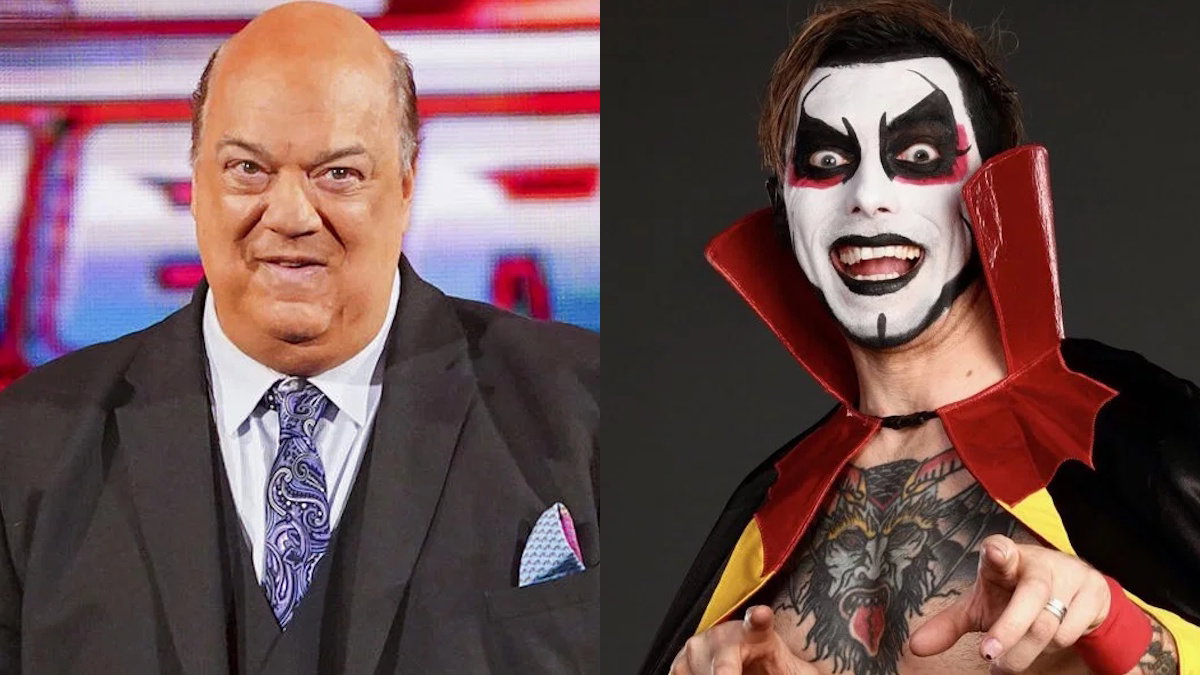
Professional wrestling does not exist in a vacuum, a fact reinforced by the obsession currently gripping top talent regarding the 2026 NBA Finals. Both Paul Heyman and Danhausen have publicly acknowledged the New York Knicks' performance in Game 4 against the San Antonio Spurs, which took place on June 10, 2026. The series has become a primary topic of conversation backstage, even as medical staffs monitor the physical condition of active roster members.
Paul Heyman, known for his analytical approach to booking, went as far as offering a nod to the NBA's production staff. He specifically praised the creative team and writers for the narrative arc of the Knicks' comeback win, as reported by Wrestling Inc. The sentiment highlights an increasing fascination among performers regarding how sports entertainment sensibilities map onto traditional professional sports.
The physical toll of the current schedule
While the Knicks secure wins on the court, the WWE medical department remains tasked with managing the heavy travel and work schedule inherent to the industry. The constant cycle of live events, house shows, and television tapings puts specific strain on the lower extremities and lumbar spines of performers. When talent turns their attention to external events, it often precedes a period where the company evaluates its depth chart to cover for potential internal absences.
The nature of contact sports requires a constant focus on rehabilitation. Historically, superstars who maintain outside interests in traditional athletics during active injury recovery cycles tend to have more transparent monitoring protocols. As PWInsider noted, Heyman's interest in the flow of a game mirrors his own work in crafting long-term angles, though he remains primarily focused on high-level talent management.
Strategizing through the summer stretch
The reliance on the creative team to build tension, as observed by Heyman, is a recurring theme in how WWE approaches its own booking hierarchy. When injuries disrupt major programs, the company is often forced to pivot quickly. Relying on crossover discourse with the NBA serves as a distraction for fans but does not mitigate the real-time pressure on medical doctors to clear talent for high-impact spots.
A critical observation remains: relying on television drama to dictate momentum, while effective for a 48-minute basketball game, creates a dangerous precedent for a professional wrestling schedule. If performers prioritize the spectacle of external playoffs over steady recovery, the risk of re-aggravation increases. The medical team’s biggest challenge is preventing talent from rushing back to the ring solely to compete with the high-stakes atmosphere seen in the sports world outside of their own locker room.
Looking ahead to the mid-year cooling-off period
As of June 12, 2026, the company is attempting to stabilize after a hectic string of live events. The interest shown by figures like Danhausen, as noted by F4WOnline, demonstrates that even non-traditional performers are keyed into the sports zeitgeist. However, the management side of the product is currently focused on the total count of active performers versus those sitting on the sidelines.
Maintaining a rotation that prevents burnout while keeping the product fresh is the primary hurdle for the next quarter. If the creative wing fails to account for the physical limit of their roster, spectators will see more frequent substitutions and tag-team reshuffling. The current reliance on veteran talkers and influencers to carry segments while in-ring talent heals is a strategy with a limited shelf life.
Historical context and performance markers
Industry veterans recall similar periods in the mid-2010s where crossover interest in major league playoffs signaled a shift in how WWE utilized its weekly blocks of time. When the production team begins to lean on 'creative' outcomes rather than athletic displays, the risk of injury actually tends to dip, though the quality of the matches often drops within a 30-day window of such changes. This is a recurring trade-off.
We are currently tracking several individuals who are listed as day-to-day. While no specific major surgeries were reported this week, the sheer volume of 10-to-15 minute bouts suggests that the cumulative fatigue of the locker room is reaching a critical inflection point. Fans expecting a major push in July should keep a close eye on who is appearing in non-wrestling capacity, as that is the standard precursor to an injury leave of absence.
The goal over the next four weeks is to avoid further hits to the main event scene. Relying on outside-the-ring banter is a stop-gap. Real results will come only when the medical staff can clear the primary roster for full-contact assignments without the looming threat of chronic flare-ups.