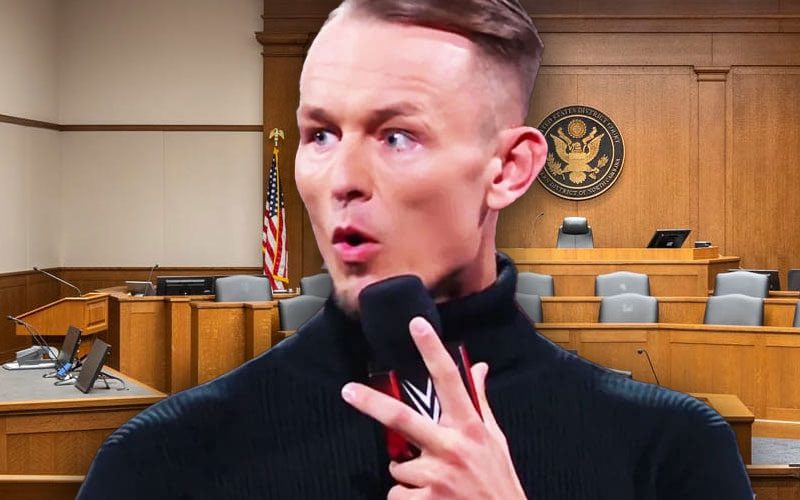
The legal bottleneck surrounding Ludwig Kaiser
Ludwig Kaiser is currently sidelined from active in-ring competition as he navigates a battery investigation. The situation shifted late yesterday when the alleged victim officially retained legal counsel, moving the case into a more formal procedural phase. This development forces the promotion to hit pause on Kaiser’s televised appearances until his legal team clears a path for his return.
Kaiser was last seen in action during a high-stakes tag team bout in early May. During that contest, he executed a crisp European Uppercut before transitioning into his signature enzuigiri. The match ended abruptly during the final commercial break, and he has remained off the road since. The sudden absence left his tag team partner scrambling for televised time.
Competitive momentum stalls
The timing of this legal trouble is particularly damaging for the mid-card talent pool. Kaiser had been positioning himself as a top-tier heel, frequently working 15-minute showcase matches that relied on technical chain wrestling rather than high-spot sequences. Losing a workhorse who can consistently deliver a solid 3.5-star match during a standard Tuesday night broadcast disrupts the company's long-term booking scripts.
Management now faces a logistical headache. With legal counsel involved on the other side, the company is likely operating under a strict internal mandate to keep Kaiser off the screen to mitigate liability. This is not a standard injury—bone fractures or concussions offer a medical timeline. Legal volatility offers only a blank space where creative plans should be.
Precedents and professional risks
Historically, when talent enters the legal fray, the promotion defaults to a 'wait and see' policy. Vince McMahon famously kept talent on the roster through various investigations, while the modern ownership group tends to move toward immediate internal suspensions if there is a risk of negative PR. The legal counsel retention signals that this case will not be resolved in a quiet backroom settlement next week.
Comparing this to past scenarios, like the 2010s-era locker room legal hurdles, the biggest cost is the loss of chemistry. Kaiser’s ability to draw heat via mic work was his strongest asset. By the time this case reaches a resolution, he will have missed roughly 12 to 16 weeks of prime visibility. Rebuilding that aura of menace is rarely a fast process once the audience has moved on to the next set of challengers.
Strategic implications for the division
The booking team now has a void in the upper-midcard category. Whoever steps into his spot to fill the technical void faces a high bar. We have already seen backup plans enacted, but the precision Kaiser brought to the mat is difficult to replicate. Fans expecting a quick return are likely misreading the current climate of corporate accountability.
If the legal matter drags into the late harvest, the company might be forced to consider contract termination, provided the fine print allows it. Right now, morale in that specific locker room sector is reportedly quiet, with wrestlers wary of commenting on a colleague’s ongoing investigation. We are looking at a minimum recovery period for his career that could last until late autumn.