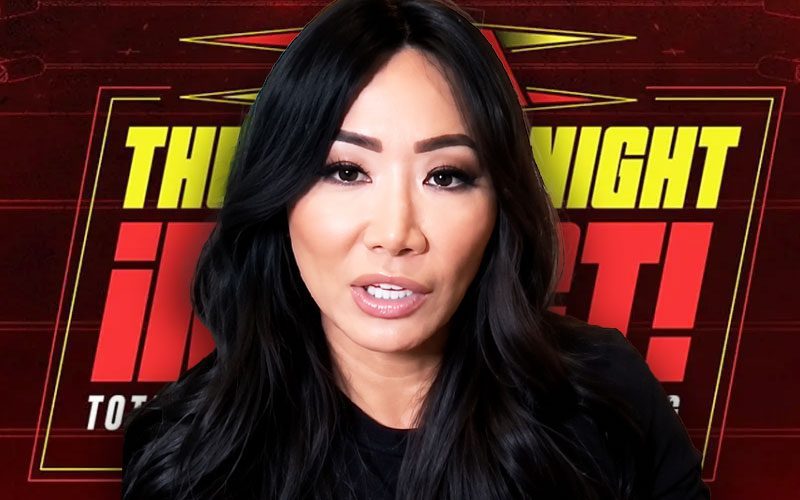
Cary Silkin at WWE shows how long the shadows of independent wrestling stretch
The ghosts of the independents still haunt the performance center
Seeing Cary Silkin at a WWE event is a reminder that the industry is smaller than the corporate branding suggests. For decades, Silkin served as the steward of Ring of Honor, often operating on a shoestring budget while developing the talent that would eventually anchor the main event scenes of global giants. The recent appearance of the former owner at a WWE production confirms shifting priorities. The company is no longer just scouting talent; they are actively curating their own historical narrative by welcoming figures who once represented the very alternative they sought to neutralize.
The mechanics of the modern industry require these bridge-building exercises. Silkin’s tenure at ROH between 2004 and 2011 defined an era of technical athleticism that prioritized work-rate over traditional sports entertainment spectacle. When figures like Dean Malenko are subjects of new biographical projects, it signals a desire to formalize the lineage of that specific technical style. The PWInsider report highlights how these archival efforts are becoming as much a part of the product as the matches themselves. They are harvesting the credibility of the independent scene to bolster their own institutional authority.
The strategic utility of the nostalgic embrace
There is a cold, calculated logic to hosting these legends. By inviting Silkin into the fold, the organization effectively absorbs the goodwill associated with his past projects. It functions as a form of brand consolidation. The audience that grew up watching ROH house shows in gymnasiums are the target demographic now paying for premium subscriptions. By aligning with architects of that scene, the current powers ensure that the historical record remains under their umbrella.
This shift isn't without its risks, specifically regarding the authenticity of the product. When a promotion that actively dismantled the independent scene now showcases the people who built it, the dissonance is palpable. It mirrors the way established entities in other sports, much like the recent fallout from professional soccer matches we have tracked, use history to mask current creative failures. If the in-ring output cannot sustain momentum, leaning on the veterans who defined the technical standard becomes the default defensive maneuver.
The danger of looking backward
We are currently viewing a period where the creative ceiling feels remarkably low. Even with the presence of legends like Mick Foley or Greg Valentine circulating in the orbit of the company, the actual programming lacks a distinctive, modern identity. Relying on the presence of figures like Silkin is a patch, not a solution. It serves as a visual indicator of a creative department searching for an anchor, unable to build genuine stars from the current roster who carry the same weight as those from the ROH Class of 2006.
We must consider if this obsession with the past stunts the growth of the current talent. When the cameras pan to Silkin or another legend in the crowd, the focus shifts away from the rookie attempting to find his footing. It tells the viewer that the most important thing happening in the arena isn't the match inside the ropes. It is the history embedded in the seats. This is a recurring tactical error. You cannot build a future if you constantly insist on playing the old hits at a 95dB volume.
Ultimately, the inclusion of independent figureheads is a sign of desperation disguised as reverence. It is an acknowledgement that the current creative direction lacks the gravity once possessed by the smaller promotions. If they want to return to a period of sustained growth, the focus must shift from inviting guests to the front row to reclaiming the risk-taking sensibilities that made those guests legends in the first place.
WWE Championship Belt
Hold the gold and feel like a real WWE Champion right in your living room.
Frequently Asked Questions
What role did Cary Silkin play in independent wrestling?
Why is WWE featuring independent wrestling legends like Cary Silkin?
What is the strategic goal behind WWE’s current focus on wrestling history?
What era of wrestling did the ROH Class of 2006 represent?
How does reliance on wrestling legends affect current creative output?
More Coverage
JBL details how Vince McMahon risked an entire crew for a risky landing
an hour ago
Why the independent wrestling grind is forcing a talent exodus
2 hours ago
Top 10: Defining Pro-Wrestling Moments of Early 2026
5 hours ago
Top 10: SmackDown Power Rankings Mid-July 2026
6 hours ago
Is Charlotte Flair actually ready for a soap opera turn?
6 hours agoPunk vs Gunther in a Pennsylvania armory proves WWE is finally cooking again
9 hours agoMore Analysis
Will Ospreay’s jump to AEW is still fueling the tribalist war
an hour ago
Maxxine Dupri, Vince McMahon, and the internet's favorite soap opera
an hour ago
JBL details how Vince McMahon risked an entire crew for a risky landing
an hour agoTriple H took the WWE PLE blueprint and actually made it watchable
an hour ago
Chad Gable injury update: What we know about the veteran's status
an hour ago