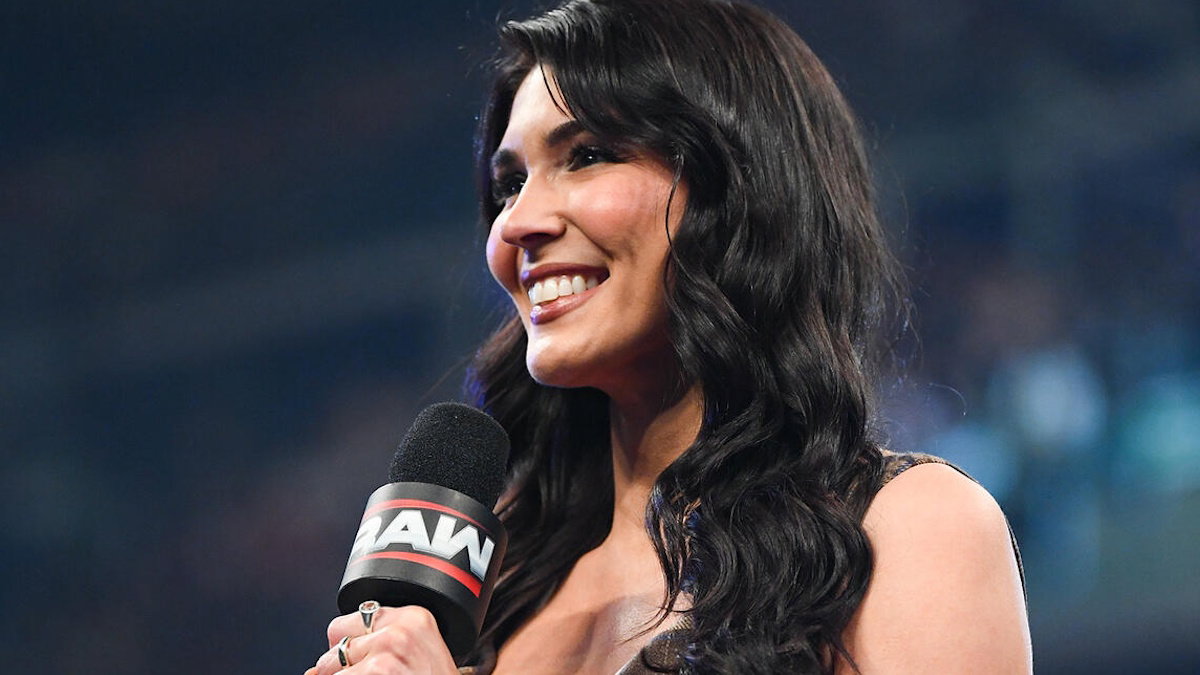
Transitioning from the interview desk to the ring
Cathy Kelley has officially expressed interest in transitioning from backstage interviewer to a managerial role within WWE. In a recent conversation with Chris Van Vliet, Kelley confirmed a desire to move toward an on-screen character role involving talent management. This departure from her current duties would mark a significant shift in how WWE utilizes its broadcast staff.
Kelley has maintained a presence as a primary interviewer for years. Her potential shift follows a broader pattern of talent seeking more engagement in creative storylines. While no official booking decisions have been finalized, her stated ambition signals a potential change in roster utilization behind the curtain.
The strategic impact of dual-role broadcasters
The promotion of talent from broadcasting roles to ringside management is a strategy that has historical precedent within the business. Broadcasters often hold deeper insight into locker room dynamics. Utilizing this knowledge could provide a unique narrative edge for wrestlers lacking a strong voice or distinct character direction.
History shows mixed results with this transition. Some talents struggle to balance the demands of travel and live broadcast prep with the physical intensity of ringside management, which requires active participation in 15 to 20 minute segments. Others, like former interviewers turned managers, have successfully leveraged their vocal range to elevate mid-card performers.
Roster implications and injury management
The physical toll on the current roster remains a point of concern for executive leadership as the summer schedule intensifies. Proper management of talent is essential to prevent long-term health issues during high-attrition periods. Should Kelley move into a managerial role, she could bridge the gap between medical staff and creative writers, ensuring that talent recovery timelines are respected during high-profile programs.
Industry competitors have begun to lean heavier on non-wrestling personalities to carry segments while competitors are sidelined. This helps keep names on television without risking re-injury during intensive matches. Effective management allows a wrestler to remain relevant in a feud while the medical team monitors concussion protocols or orthopedic rehabilitation.
Critical observations on booking consistency
One challenge for WWE involves the inconsistent use of managers. Too often, managers are introduced for a quick pop and discarded within three months. If Kelley is to make this move, the booking team must ensure that her character is tethered to a specific narrative arc. Relying on short-term manager rotations without long-term character development creates viewer apathy.
There is also the risk of diluting the broadcasting team if experienced talent shifts away from the desk. Finding a replacement with the same rapport with the performers could prove difficult in the coming window. The company will likely need to test this transition in secondary markets before attempting a full program on a major brand like Raw or SmackDown.
The current state of performance readiness
As of June 09, 2026, the performance center continues to monitor the health of talent returning from various soft-tissue injuries. The reliance on management to mask physical limitations remains a staple of professional wrestling. Having a dedicated voice like Kelley on the mic could provide the necessary cover for performers currently working through limited ranges of motion.
Future segments involving Kelley in a managerial capacity would require a refined understanding of legal and safety boundaries during live performance. Her ability to navigate these complexities is well-documented, but the transition to a heel or babyface manager role requires a different skill set than traditional news gathering. We will monitor if this transition manifests during the upcoming summer tours, as WrestleTalk reports on the potential for her career growth.