Beyond the backstage interview
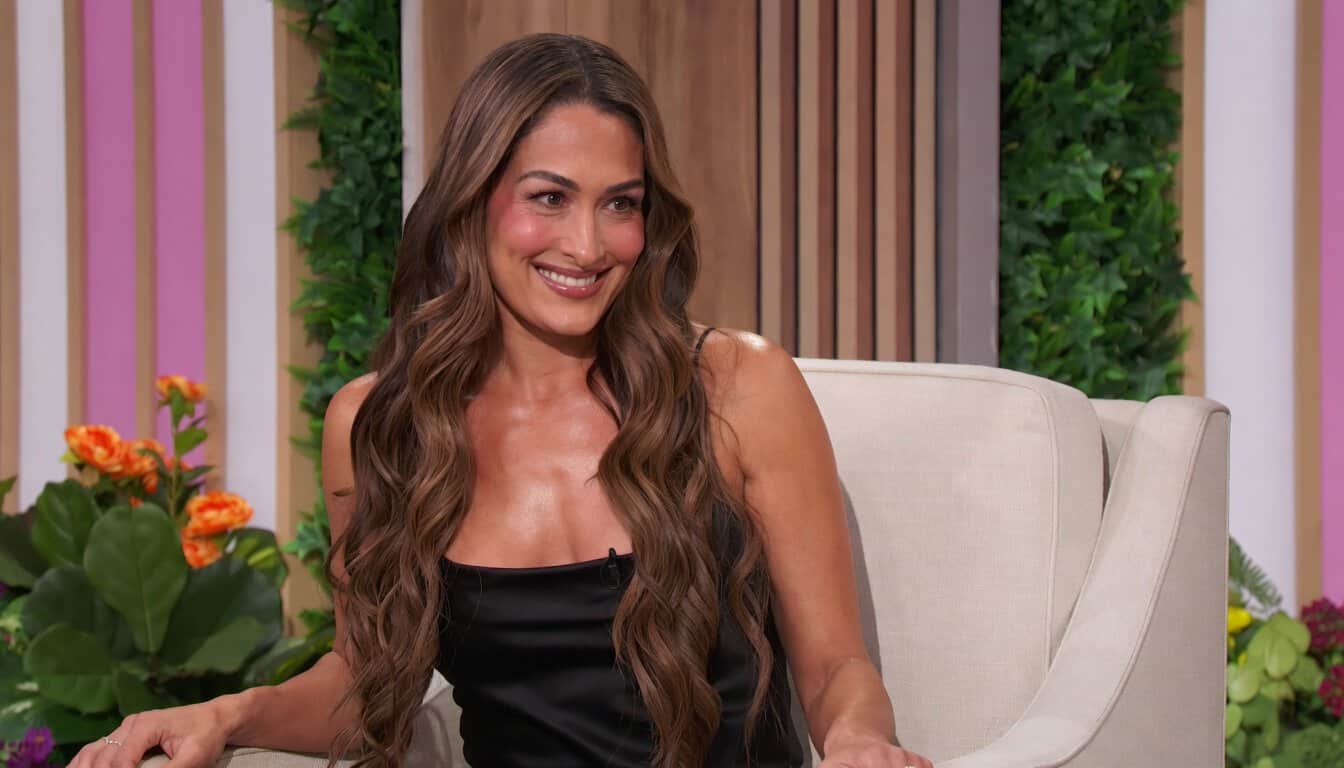
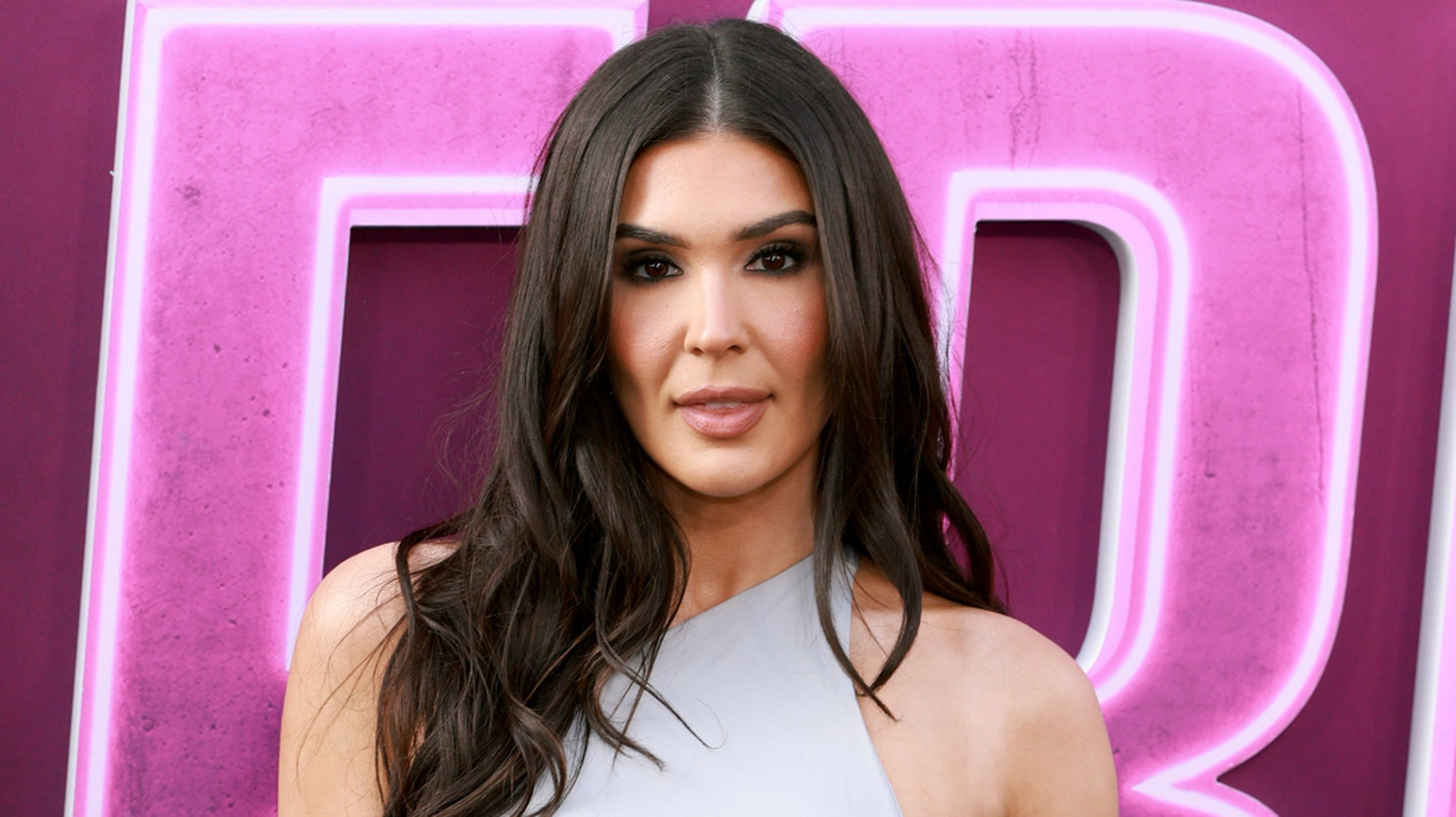
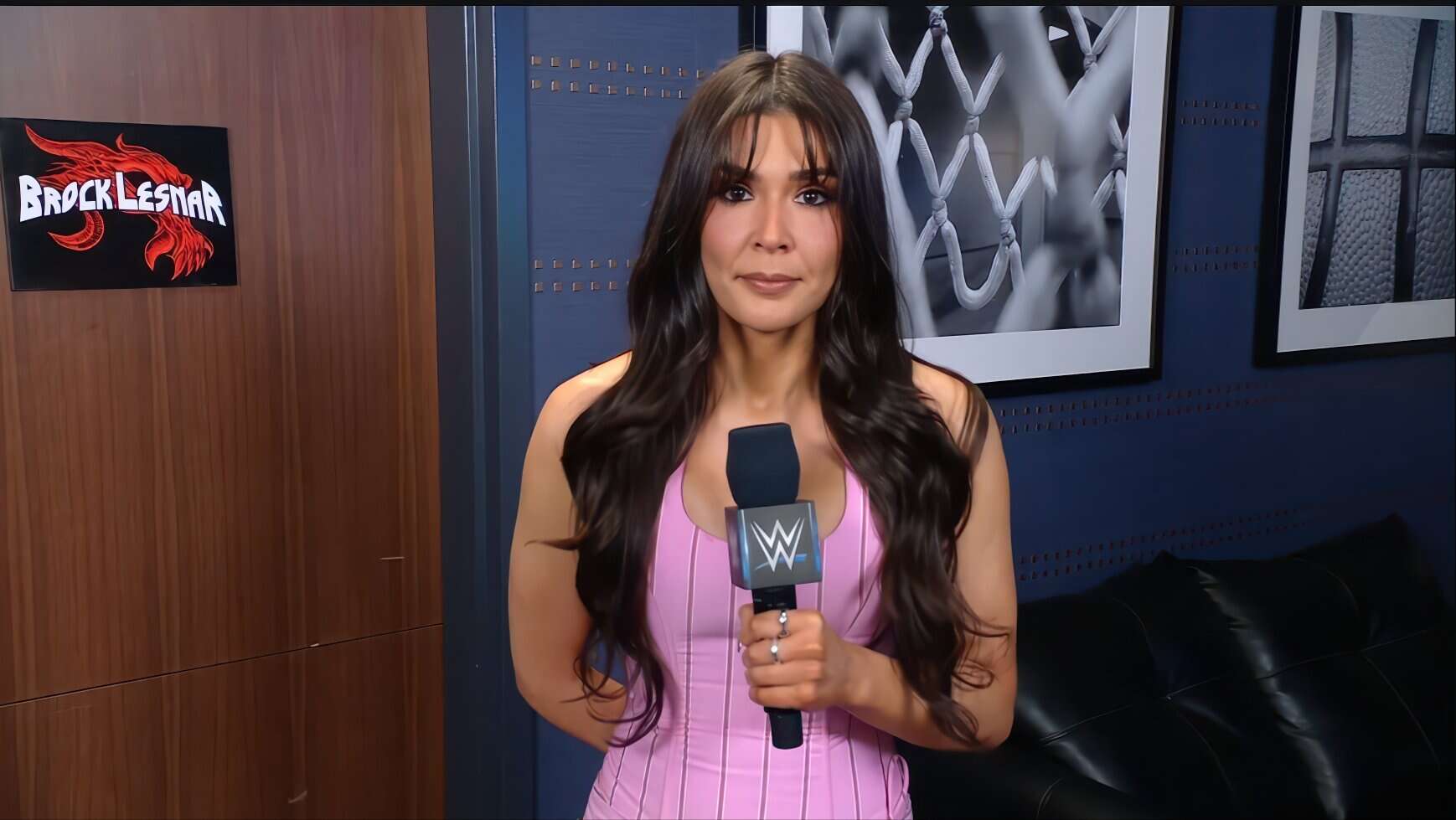
Cathy Kelley returned to the WWE roster in 2022 with a clear objective: re-establishing a presence that made her an NXT fixture during her initial 2016-2020 run. She operates with a professional detachment that serves her well in the chaos of live television. Yet, the current format of backstage interviewing limits her utility for the company.
As recent interviews indicate, Kelley is recalibrating her career. She recently shared her diagnosis of autism during a sit-down with Chris Van Vliet, a moment of personal transparency that underscores her ability to communicate with uncomfortable honesty. This clarity of self-awareness is exactly what the WWE creative team lacks when constructing its on-screen managers.
The strategic shift to management
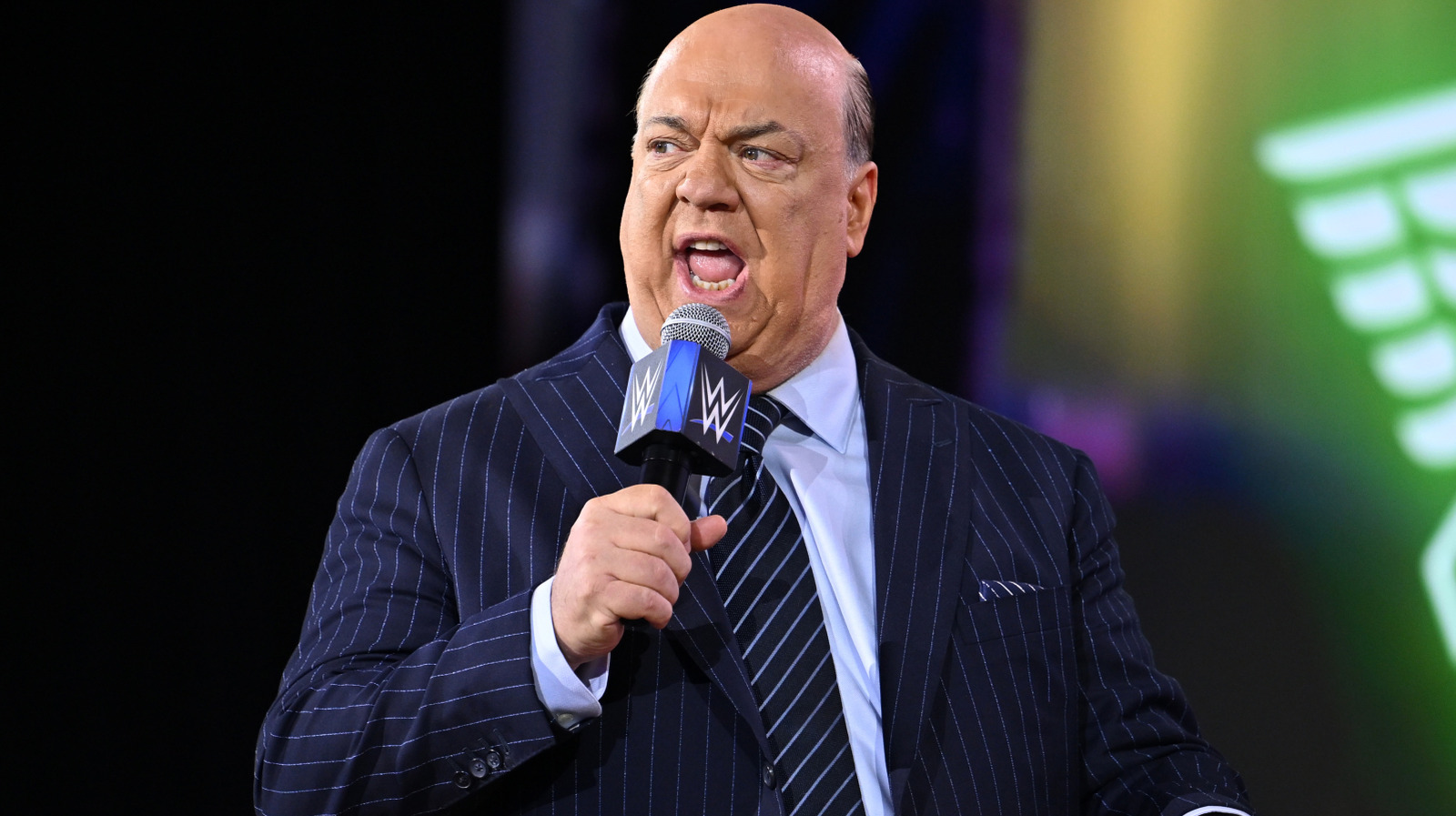
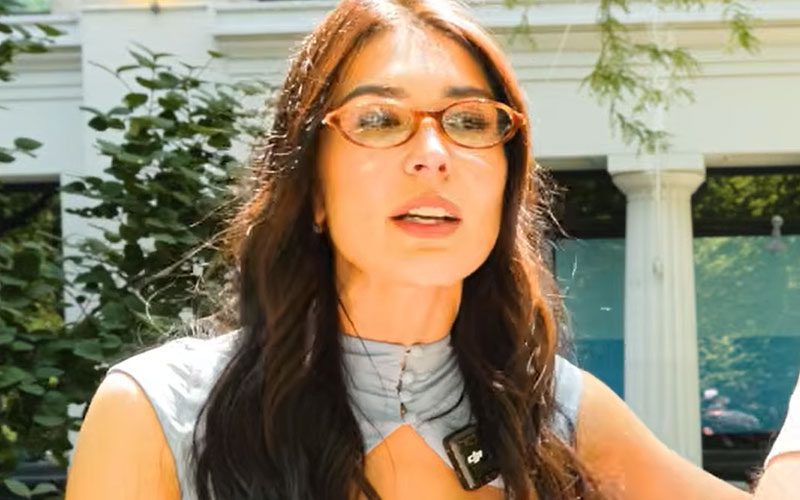
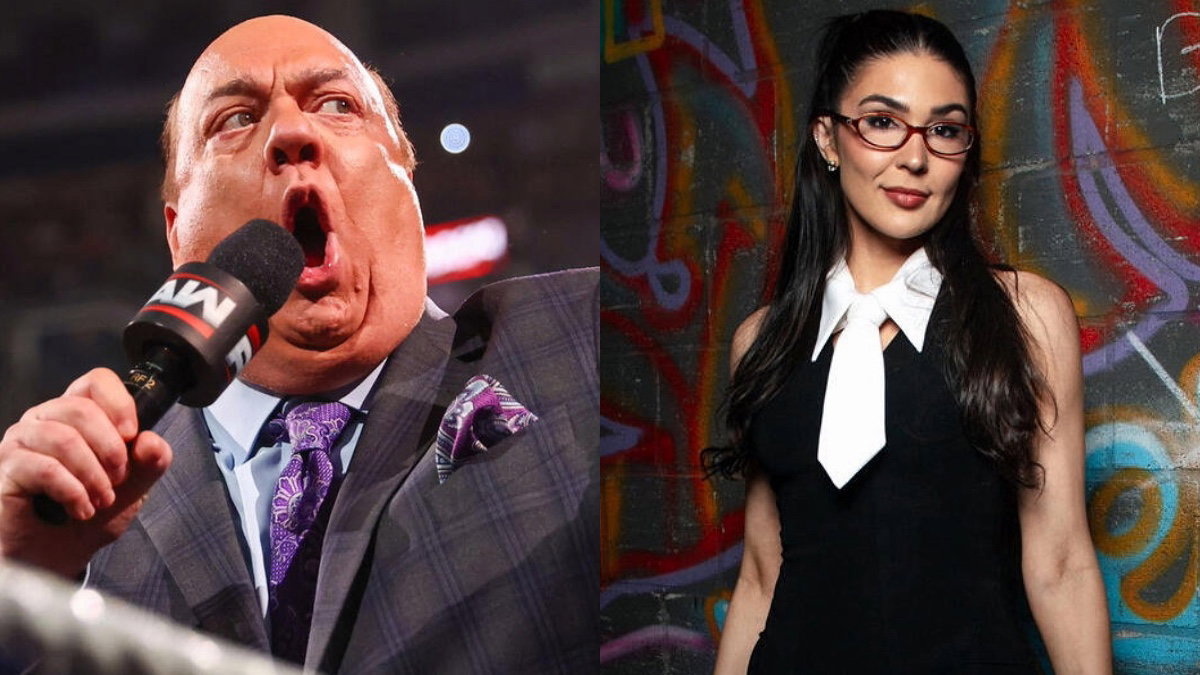
Paul Heyman once famously told Kelley to remove her glasses, arguing that the audience needed to see her eyes to register her emotional intent. This anecdote, recounted recently, reveals the granular level of performance coaching WWE provides. Kelley has absorbed these lessons, evolving from a standard interviewer into a nuanced television character.
Her stated desire to transition into a managerial role is not just a career pivot — it is a tactical necessity. Modern wrestling managers, particularly those who rely on technical prowess rather than just loud gimmicks, have become a weakness in the current booking. Kelley possesses the poise to shoulder the heavy lifting in promos where wrestlers often falter.
The flaw in the current presentation
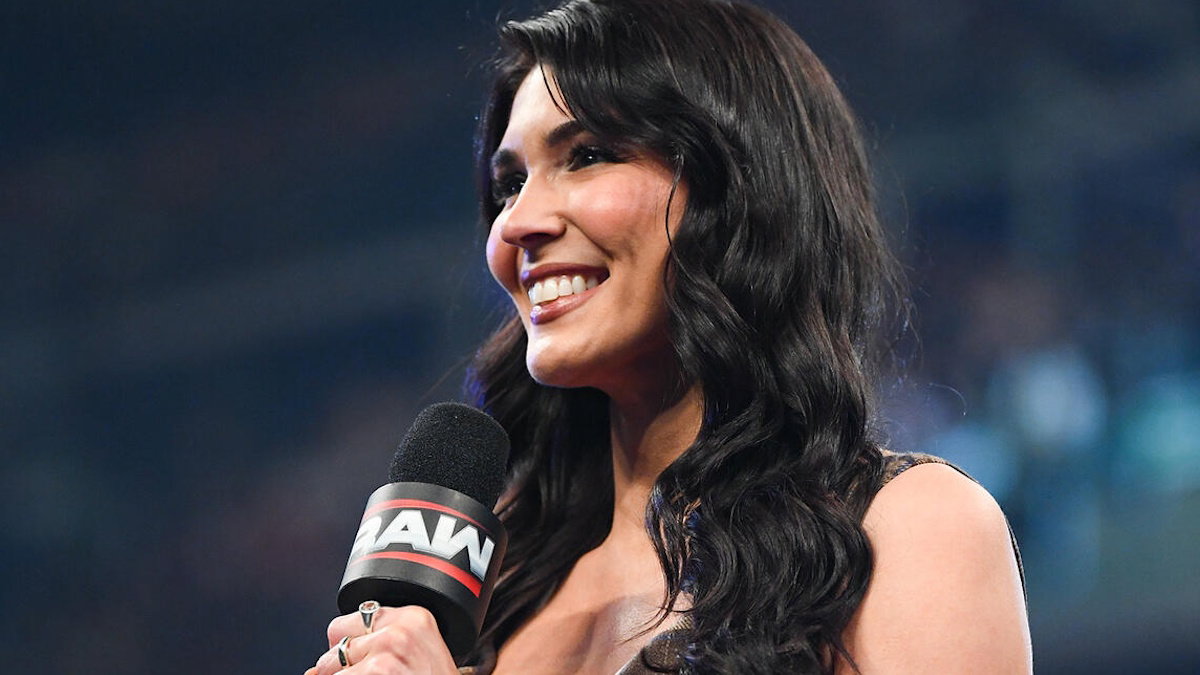
The critique of Kelley’s work is simple: she is too detached. While this suits the role of a correspondent, it creates an invisible wall between the viewer and the action. There are segments on RAW where she is clearly the most capable person on set, yet she is restricted by the rigid, scripted nature of the interview format.
As outlined in reports from WrestleINC, her recent public honesty suggests she is ready to bypass the traditional correspondent gatekeeping. Moving away from the microphone stand and into a ringside managerial role would allow her to weaponize that same emotional intelligence Heyman identified years ago.
A bold prediction for the draft period
The current landscape of managerial options feels stale, relying on retired talent or wrestlers who have stopped competing. Integrating a personality who is already part of the weekly rhythm creates a much stronger internal logic. I anticipate that before the end of the year, we will see Kelley aligned with a mid-card heel faction. She will provide the cold, calculated counterpoint that an emerging star would need to develop a main-event aura. The move to manage will happen within 6 months, and it will be the most significant evolution in her career since her 2016 debut.