The high-impact toll of the road to SummerSlam
Professional wrestling remains a sport of attrition where the physical toll often dictates the creative direction. As we hit the mid-point of June 2026, the injury list across the major promotions is shifting rapidly. Several key performers are currently sidelined, forcing booking teams to scrap plans for the upcoming premium live events. The grind of the television schedule, combined with high-risk maneuvers, has left notable gaps in current programming.
We are seeing elevated instances of soft-tissue damage this quarter, largely attributed to the frequency of high-octane television main events. When stars transition from a standard 10-minute broadcast match to a 20-minute physical encounter, the margins for error shrink. It is a recurring issue for veteran performers who have logged thousands of hours inside the squared circle over the past decade.
Rey Mysterio and the legacy of physical wear
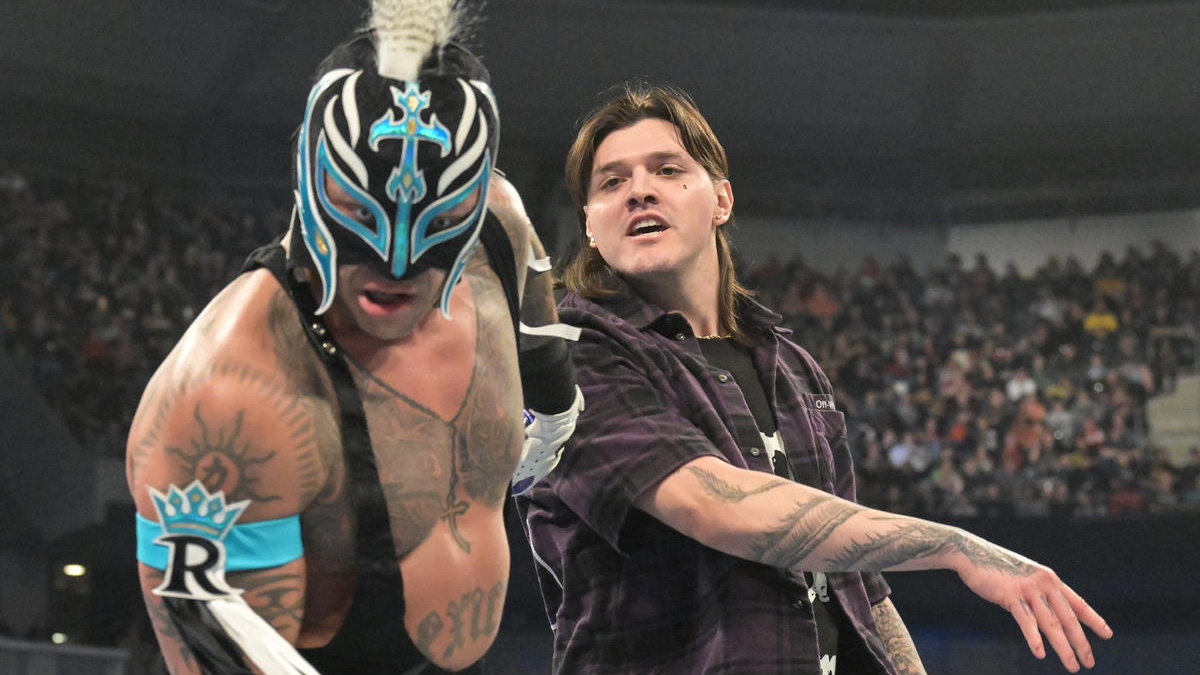
The conversation around longevity often points back to performers like Rey Mysterio. While his current status is active, his recent commentary regarding his son Dominik illustrates the harsh realities of the business. As reported by WrestleTalk, the transition to heel status for Dominik was partially motivated by a need to differentiate his career path from his father’s well-documented history of injuries. The elder Mysterio has spent much of his late career managing chronic knee and neck issues.
Historical context suggests that once a performer hits the two-decade mark, minor fractures and ligament tears are inevitable. We saw this in the early 2010s when the lack of a structured maintenance protocol forced various legends into early retirements or prolonged hiatuses. Modern performers are luckier regarding medical access, yet the intensity of aerial work has arguably increased, keeping the injury rate stagnant.
The strategic crisis of talent availability
The primary concern for promoters right now is the reliability of main event talent. When a top-tier draw misses two months of airtime, the house show revenue and viewership numbers often dip significantly. This is not purely about the individual, but the ripple effect it has on mid-card talent who suddenly have to elevate their performance without a veteran anchor. The reliance on singular stars remains the core flaw of the current business structure.
Competitors are observing these absences closely. For the independent scene, a roster vacuum represents a chance to showcase fresh faces, but for the major promotions, it represents a threat to brand equity. There is a specific tension when a title holder sustains a non-contact injury, forcing an immediate vacating of championships. We have seen this play out multiple times over the last five years, creating a scramble for interim challengers.
Medical protocols and the shift toward recovery
Physiotherapy in 2026 has transitioned into a more proactive approach. Rather than wait for surgery to become the only option, performers are utilizing active recovery blocks throughout the calendar year to avoid season-ending catastrophes. Yet, the pressure to appear at major events like those hosted at stadiums often overrides these recommended windows.
A critical observation remains: the booking of high-impact moves on free television remains a liability. The drive to achieve high star ratings and viral clips on social media platforms is leading to a higher volume of dangerous spots in non-PPV matches. Until the industry shifts toward a lower-risk delivery for standard weekly content, the trainer’s room will remain the busiest department in the company. Managing the workload is no longer just a fitness goal; it is a fundamental pillar of profitable storytelling that is currently being ignored in favor of short-term pops.
Read Next
- Rey Mysterio reflects on his career longevity amid injury concerns
- Robert Stone is playing a dangerous game with the Mysterio family legacy
- Braun Strowman addresses potential WWE return amidst fitness uncertainty
- Aalyah Mysterio at the PC is the next chapter of the family business
- ☀️ WWE SummerSlam 2026 — Full Coverage Hub