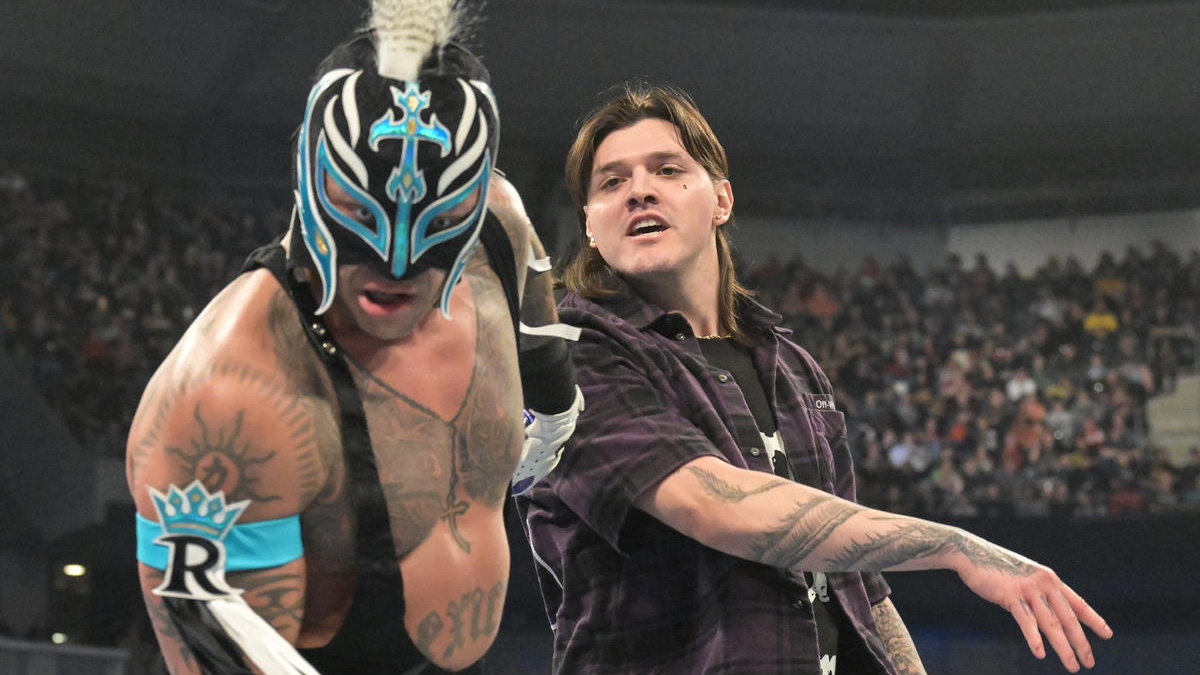
The Physical Tax of the 2026 Schedule
The transition into the mid-summer stretch of 2026 has brought the inevitable grind of the professional wrestling calendar to the forefront. While fans often focus on creative arcs, the reality of the performance center and road schedule remains grounded in the physical durability of the roster.
Reports indicate that training facilities in Orlando are managing higher volume caseloads this July. This is standard for a touring company, but administrative oversight has shifted toward preventative maintenance instead of solely reactive rehab.
The Logistics of Roster Preservation
History shows that travel demands remain the primary catalyst for chronic fatigue in this industry. Stories from veteran performers like JBL regarding erratic corporate flight protocols highlight the long-term strain that past logistical choices placed on active talent.
When leadership decisions prioritize momentum over physical recovery, the injury rate climbs accordingly. Modern performance science has largely moved away from those high-risk operational patterns, favoring recovery cycles that mirror professional sports leagues.
Operational Shifts and Talent Management
The environment behind the scenes has moved toward standardized wellness checks for every performer clearing the Gorilla Position. It is a necessary pivot from past eras where the specific demands placed on talent—like arbitrary wardrobe directives from executive leadership—often overshadowed their actual athletic preparation.
Talent retention is now tied to longevity. If the body fails, the booking plan fails. This realization has pushed management to prioritize the medical staff over the creative vision in more instances than seen in previous decades.
The Legacy Effect on Current Performance
We see the imprint of past booking styles on the current veterans of the locker room. Figures like The Undertaker, who Jim Ross famously labeled as the company's greatest character ever, set a standard for physical endurance that modern talent still feels pressured to chase.
The issue arises when the mid-card roster attempts that same level of endurance without the same recovery resources. The result is often an uptick in soft-tissue injuries during mid-summer, specifically involving lumbar strain and meniscus fraying.
Strategic Implications for the Summer
The medical department's current priority is ensuring that top-tier talent stays upright for the fall television pivots. Analysts note that when a performer is pushed too hard too early, the company suffers in the fourth quarter. It is a lesson that has been learned through decades of poor medical management and sudden roster gaps.
The current policy of restricting high-impact moves during house shows is a direct response to these concerns. By limiting the number of times a performer takes a heavy bump per week, the company increases the probability of them being available for major televised events.
Critical Analysis of Current Protocols
Despite these improvements, the industry is not exempt from booking mistakes. Forcing performers to work through minor lingering issues to maintain a television narrative remains a persistent flaw.
This aggressive scheduling forces doctors to choose between medical necessity and the needs of the network. When that balance tips, it almost always leaves the performer with a longer healing window than they would have required if they were allowed to sit out 2 weeks initially.
Historical Parallels
We are currently seeing a decline in the number of "quick-fix" injury returns compared to the 2010s. The industry has realized that the cost of an athlete re-aggravating an injury under the lights is significantly higher than letting a story arc pause for a month.
If we look back at the erratic flying habits disclosed by former talent—where flight crews were forced to land on the edge of safety—we see a cultural shift in how leadership values the lives and bodies of the workers. The current era is remarkably safer, even if the work rate remains high.
The data suggests that roster depth will be the single most defining factor for the remainder of this fiscal year. As teams continue to thin out, the organizations with the best medical support will dictate the flow of the main event scene.
Final Outlook
Management must focus on long-term health rather than the immediate gratification of a viral spot or a mid-show return. Physical stability allows for better storytelling. When a performer is constantly working hindered, the quality of both the athleticism and the character work inevitably suffers.
The current status of the locker room is manageable, but only provided that the medical team maintains their current level of autonomy from creative booking teams. We expect to see more protective booking through the 3rd quarter as the roster navigates the remaining summer dates.