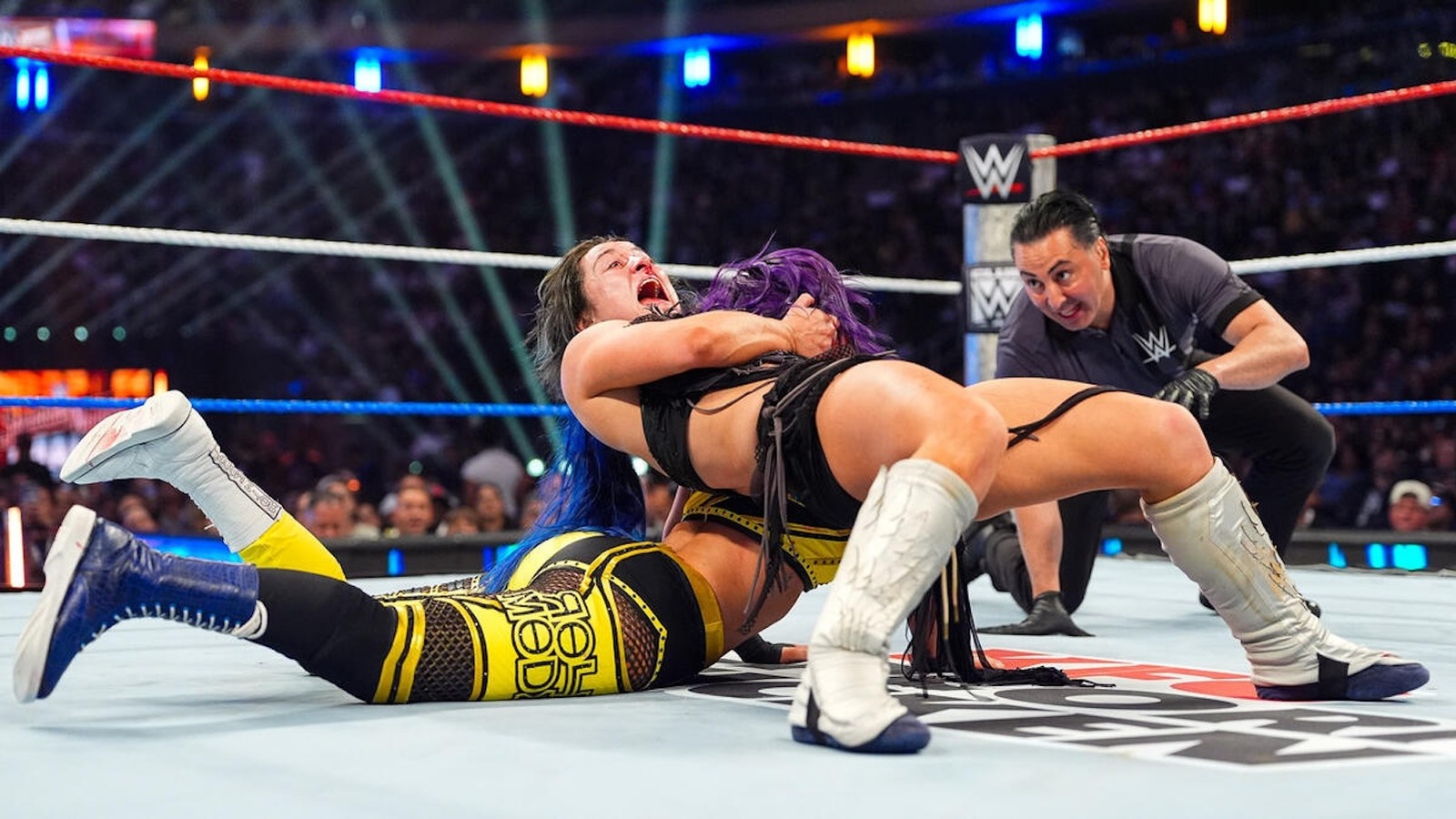
The physical toll of the road to summer
Professional wrestling requires a specialized consistency that often leads to short-term roster absences. Following the events on the May 29 episode of SmackDown, as documented by PWInsider, the company faces renewed scrutiny regarding the health of its performers during a period of high-intensity television tapings. We are seeing a pattern where aggressive scheduling meets the reality of human anatomy.
Injury management is no longer just about recovery time; it is about strategic booking adjustments. When a top-tier performer exits a program due to medical concerns, the ripple effect reaches across the mid-card talent pool. It forces creative departments to pivot, often shelving months of character development to account for an empty space on the card.
Historical precedent and the 2026 medical reality
History shows us that mid-year absences are common as the roster pushes through the post-Mania stretch. We have seen similar scenarios in seasons past where heavy travel, paired with high-impact television spots, leads to lingering issues that require surgery or mandatory rest. These periods are rarely about single acute events but rather the cumulative strain of 52 weeks of performing.
Strategically, management is now prioritizing long-term availability over immediate television needs. The industry standard has shifted. Instead of rushing talent back to fill a specific segment, the trend leans toward letting the body heal fully to avoid the dreaded re-injury cycle. It is a smarter play, though it creates a noticeable vacuum in the active roster depth.
The competitive implications for the summer circuit
With major sporting events like the World Sevens tournament drawing eyes in early June, WWE faces a genuine challenge in maintaining audience engagement without its marquee names. Competition for eyeballs is fierce when football dominates the daily news cycle. Every minute of broadcast time is precious, and every injured star represents a loss of potential audience retention.
Critically, the booking team often struggles to fill these gaps with compelling narratives. We frequently see aimless tag team matches used as filler when a main event star sits out, which usually fails to capture the same viewer intensity. The dependency on a select few individuals remains a structural weakness that becomes painfully obvious whenever a report surfaces about a performer hitting the injury list.
Market analysts note that the stock price and investor sentiment regarding the promotion are increasingly tied to the overall health of the roster. A clean injury report is as significant to the bottom line as the latest merchandising figures or viewership metrics from the previous Friday. If the depth chart is not managed with precision, the product risks stagnation.
As of May 30, internal updates remain focused on stabilizing the televised product heading into the summer months. The expectation is that the medical teams will continue to take a cautious approach, avoiding the pressure to speed up recovery timelines. This conservative strategy reflects a broader change in how the industry handles talent welfare compared to the era of working through every minor ailment.
The impact on the upcoming live event calendar is already being mapped out internally. Smaller, non-televised house shows undergo the most drastic changes when an injury occurs, as top-line stars are pulled to ensure the televised, high-revenue products remain intact. It is a cold but necessary calculation that prioritizes the television audience above all else.
We should monitor whether this recent wave of medical interventions leads to a permanent shift in training methodologies. Some critics argue the current performance expectations are higher than ever, and that the physical demands need a corresponding increase in recovery downtime. Expect a period of experimentation with performance schedules to mitigate the risks observed over the last week.
Ultimately, the health of the individual is paramount. Fans have become more educated on the severity of long-term trauma, and the appetite for watching performers struggle through obvious injuries has vanished. The path forward involves fewer risks and more specialized attention to the physical requirements of modern athletic entertainment. Those who adapt to this reality will remain relevant; those who disregard it risk becoming a footnote in a season defined by attrition.