The exhausting cycle of gold
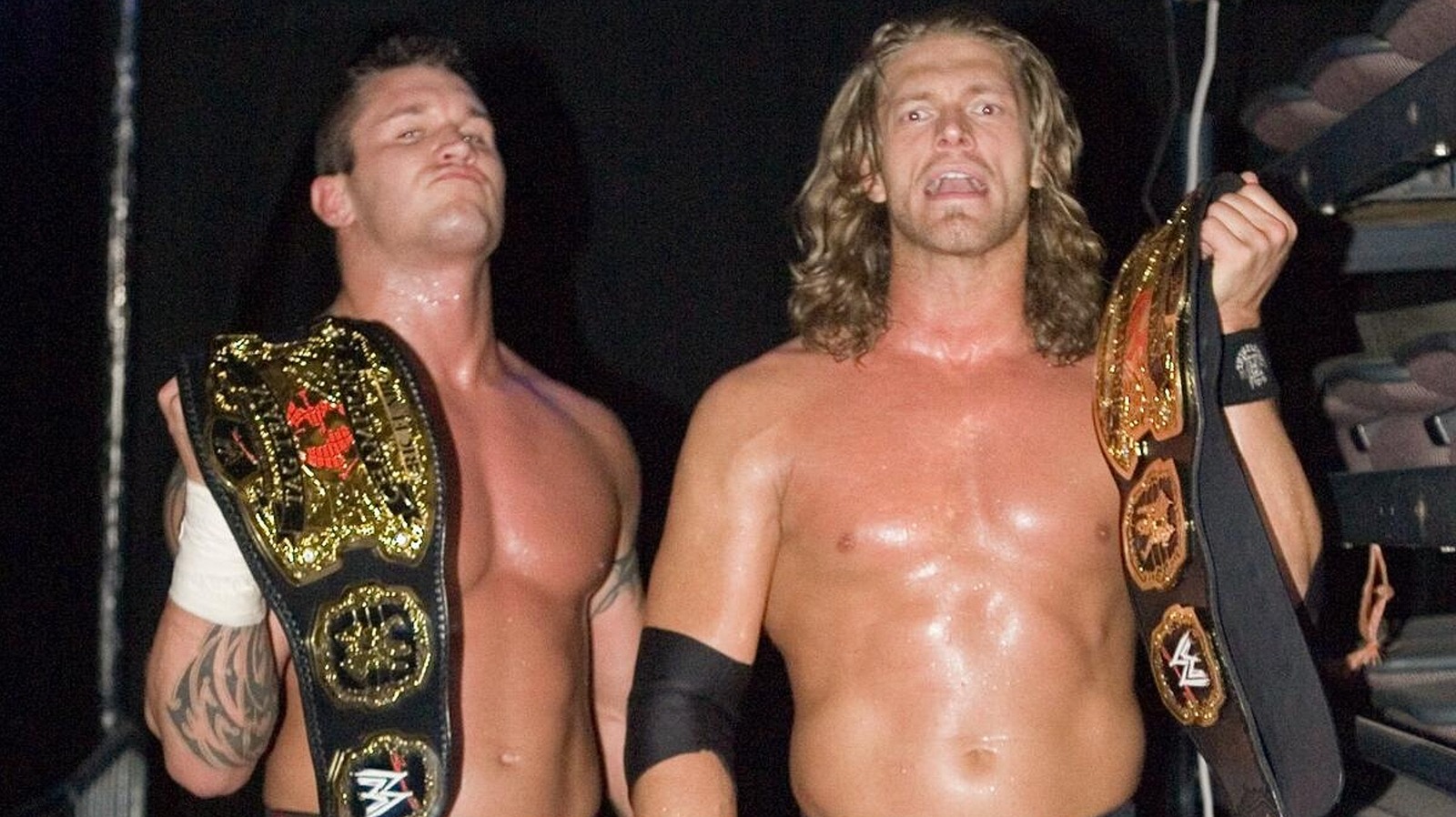
People love to romanticize the Attitude Era, but the Ruthless Aggression and PG-transition years were built on the backs of two men. John Cena and Randy Orton were the yin and yang of WWE for over a decade. Every time the company needed a main event while someone was injured or suspended, they just hit the reset button on this specific pairing.
It became a joke among the smart marks. We saw them wrestle at SummerSlam 2007, Breaking Point 2009, and Hell in a Cell 2009. By the time they met for the unified title at TLC 2013, the crowd was chanting for Daniel Bryan just to spite them. It was the ultimate example of WWE's refusal to build new stars, forcing us to watch the same two archetypes trade finishers until the heat death of the universe.
Why the chemistry actually held up
Despite the repetitive nature of the booking, the matches rarely sucked. Orton was the perfect foil because he didn't need to be a technician to make Cena look like a hero. His slow, methodical pacing allowed Cena to sell the desperation that defined his character. When Orton hit an RKO out of a high-crossbody attempt, it felt earned.
Their 2009 Iron Man match at Bragging Rights is the best case study for this. It lasted 60 minutes and featured 11 falls. It was a chaotic, often plodding slog that somehow drew the audience back in by the final buzzer. Watching Orton crawl toward the ring while Cena applied the STF was a masterclass in psychological storytelling that modern matches often lack.
The dark side of the legacy
Let’s be honest: the rivalry stunted the growth of an entire generation. While Cena and Orton were playing hot potato with the WWE Championship, guys like Mr. Kennedy, Carlito, and Shelton Benjamin were left to rot in the mid-card. If you look at the WWE Championship history from 2007 to 2014, the sheer frequency of Cena and Orton reigns is staggering.
They were the safety net that prevented WWE from taking risks. It was a cynical era where the company prioritized brand stability over fresh matchups. The obsession with keeping these two at the top created a glass ceiling that took years to shatter. Even now, when people talk about the greatest rivalries, they place Cena versus Orton alongside Austin and Rock, but that comparison is fraudulent. Austin and Rock had a natural charisma contest; Cena and Orton had a corporate mandate.
Reframing the brawl
Looking back, the rivalry wasn't about the wrestling; it was about the endurance. They were the constants in a chaotic business. When Orton punted Vince McMahon or Cena lifted Big Show for the Attitude Adjustment, they were cementing their status as the only two guys who could carry a pay-per-view buy rate solo.
We hated it at the time because we wanted something new. But in hindsight, having two performers who could reliably deliver a passable main event for 15 years is a luxury. The rivalry wasn't a masterpiece of technical wrestling, but it was the iron spine of an era that refused to evolve. We can criticize the booking, but we can't ignore the fact that they never phoned it in, even when the fans were begging for someone else to take the spotlight.
Read Next
- John Cena is the greatest Make-A-Wish ambassador, but his ring work had flaws
- John Cena needs to lose his final match to Randy Orton
- Cena vs The Rock was a massive box office hit that failed as a wrestling story
- John Cena’s 2026 retirement tour is a victory lap we don't deserve
- 🏆 WrestleMania 41 — Full Coverage Hub
- 👴 John Cena Retirement Tour 2026