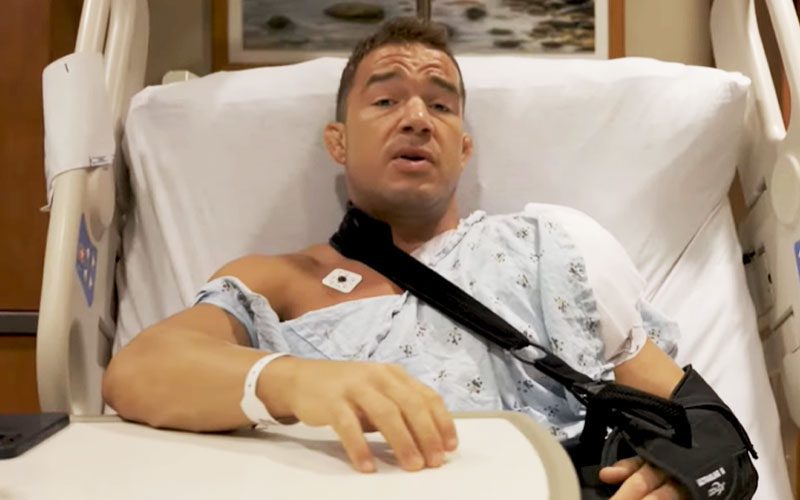
Gable sidelined after main event trauma
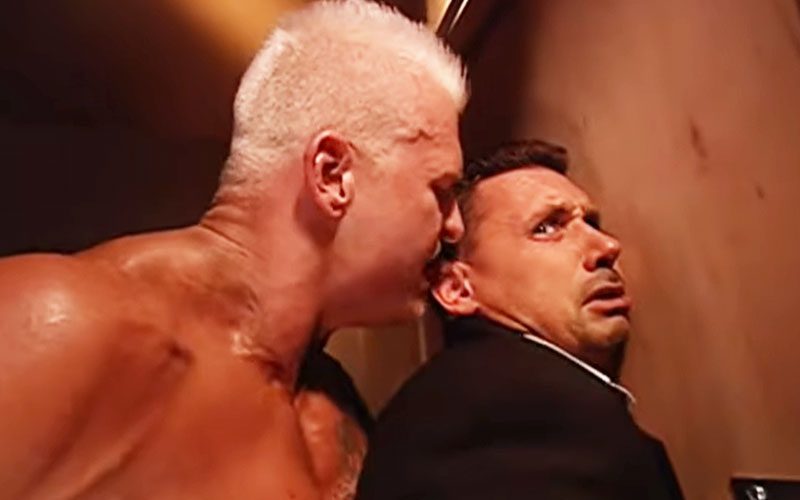
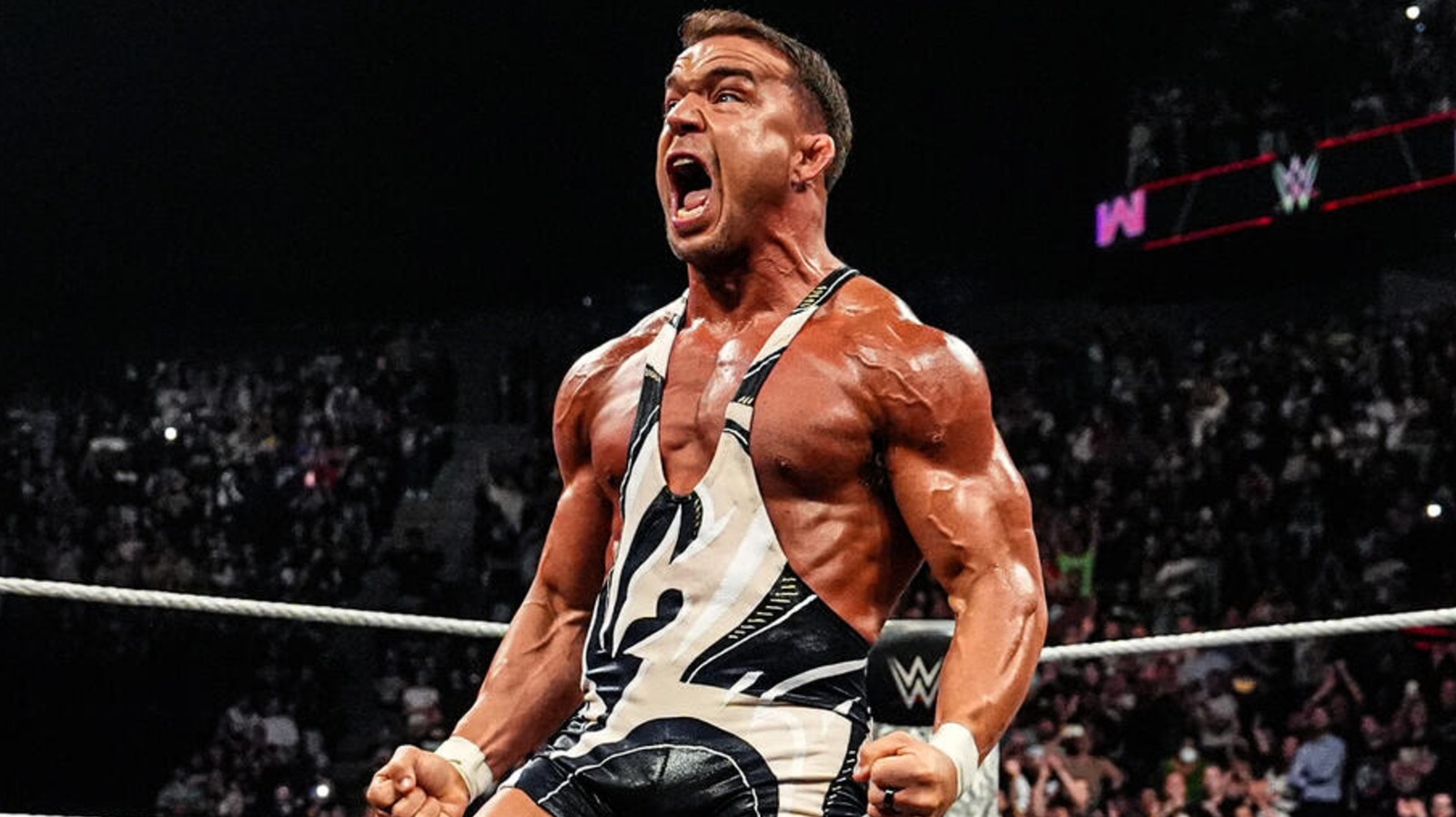
Chad Gable suffered a legitimate shoulder injury during the main event of the June 15 episode of Monday Night Raw. The incident occurred during an attempted landing after a double-underhook suplex spot went wrong near the turnbuckle. Medical staff confirmed the severity of the trauma shortly after the cameras stopped rolling.
The impact appeared to cause a partial dislocation of the right shoulder girdle. Gable was evaluated in the Gorilla position before being transported to a local medical facility for imaging. The production team confirmed that the planned post-match angle involving the Wyatt Sicks was abandoned mid-broadcast to prioritize his safety.
Timeline for recovery and roster impact
Initial assessments suggest a recovery window of six to eight weeks. If surgery is required to stabilize the labrum, that timeline could extend into the fall. This injury leaves a void in the mid-card scene that was currently anchored by intense technical bouts.
Booking the roster without a technician of Gable's caliber is a significant hurdle. He had been a primary driver of the recent Raw highlights, consistently delivering 15-minute segments that boosted quarterly ratings. His absence forces creative changes for the upcoming international tour.
Historical context of shoulder instability
Shoulder injuries of this nature are notoriously difficult for high-intensity workers. The wrestling history books are littered with talents who rushed back, only to sustain recurring instability. Avoiding a premature return is the primary medical goal.
Competitors like Finn Balor and Jinder Mahal have navigated similar paths in the past decade. The industry standard has shifted toward conservative rehabilitation rather than aggressive surgery unless a complete tear is confirmed. Gable’s work ethic makes him a candidate for accelerated recovery, which may be counterproductive in the long term.
Analyzing the booking blunder
The decision to proceed with high-risk spots during a late-night main event requires scrutiny. While the production team aims for viral moments, the physical toll on the performers during the final quarter of the show is evident. High-impact maneuvers at the 180-minute mark often lack the crispness seen in the opening thirty minutes.
This booking choice left little room for error. The move was clearly executed under conditions where muscle fatigue had already set in during the final sequence. Relying on physically demanding sequences during the closing segment of a three-hour window remains a questionable strategic decision by the lead producers.
Moving forward, the creative staff must pivot to fill the void. Otis and Maxxine Dupri are expected to receive increased screen time, though carrying the narrative without Gable will be a steep challenge. The absence of a clear primary antagonist for the mid-card belt creates a vacuum that will be hard to fill before the next premium live event.
Fans should adjust expectations for the next month of television. Expect slower, more character-driven segments as the company waits for a definitive prognosis. The medical team will provide a secondary update once the bruising subsides and the range of motion test is completed in roughly 7 days.