The physical reality of the top spot
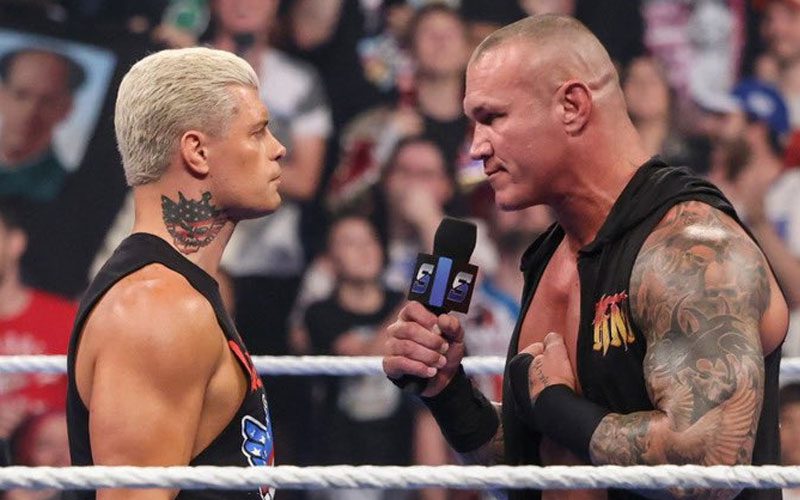
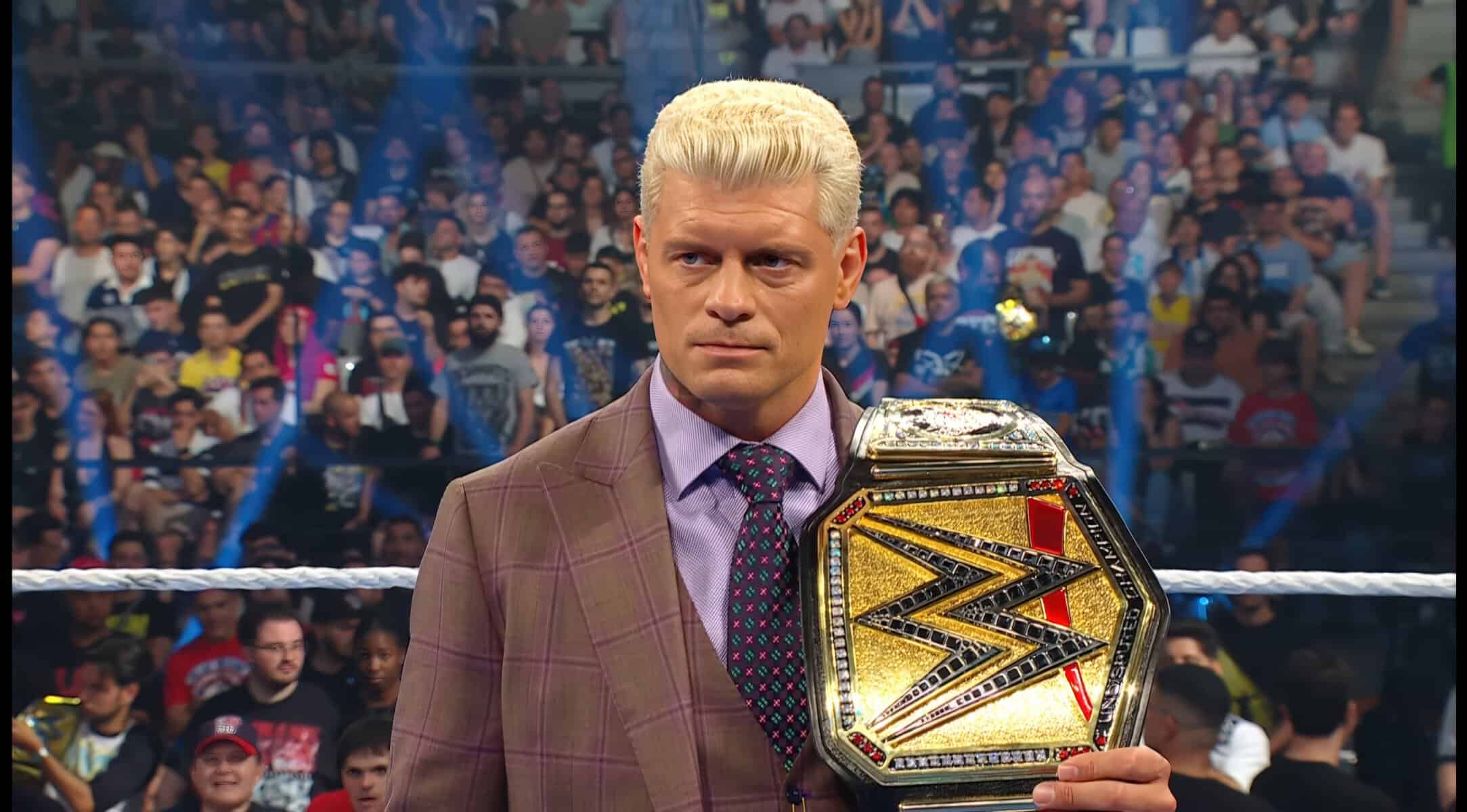
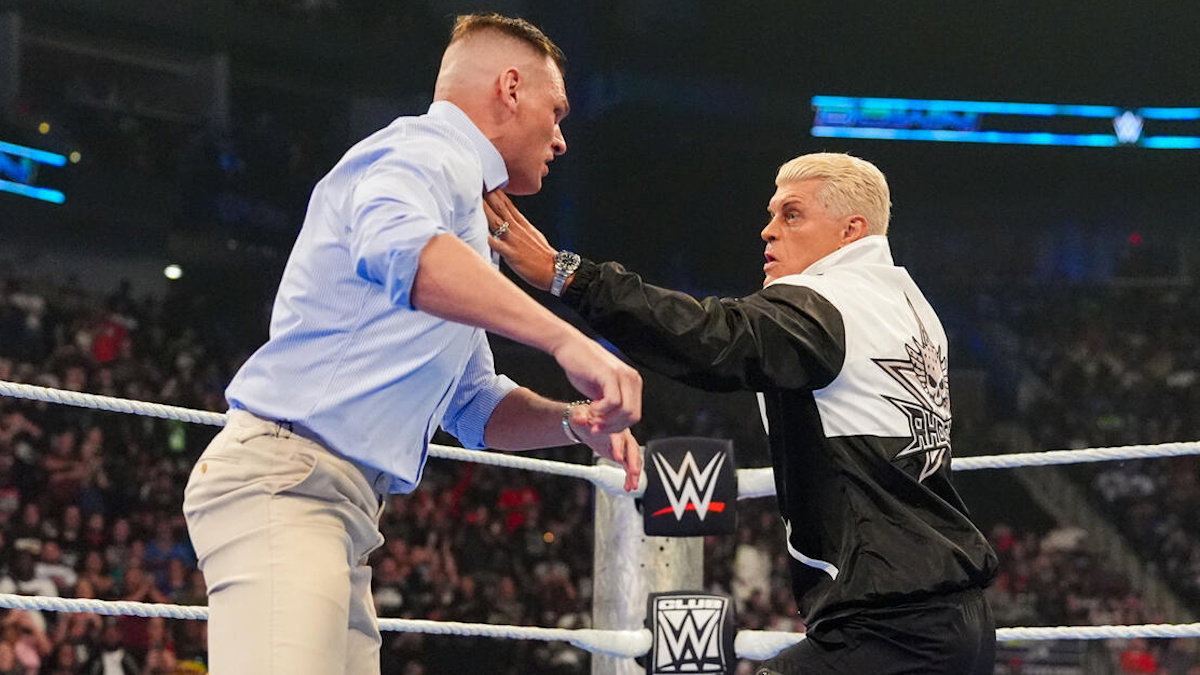
Professional wrestling does not offer grace periods for recovery. Following Cody Rhodes suffering an orbital injury during his high-stakes contest against Randy Orton this past Saturday, the promotion faces an uncomfortable reality. A stiff strike late in the match left Rhodes with documented damage that forces us to re-examine the heavy lifting currently demanded of the face of the brand.
We have become conditioned to expect these superhuman recovery narratives. Yet, watching the clips from the following Monday night, the visible bruising around the eye serves as a blunt reminder of the cumulative toll these collisions take. As noted in recent reports by Wrestling Inc regarding his status post-match, the immediate aftermath involves more than just a medical clearance. It involves managing the optics of a champion who is already appearing slightly compromised.
Tactical flaws in the booking strategy
The decision to feature Rhodes in a physical capacity on Raw immediately following such an acute orbital fracture shows a lack of protective booking. While the goal is to maintain momentum toward Backlash on May 9, the strategy leans heavily on the assumption that a performer can work through significant swelling without losing their protective rhythm in the ring.
Orton’s style centers on clinical, grounded violence, and a stiff punch landing flush represents a breakdown in timing or spacing during the exchange. It was not a fluke; it was a consequence. When your top star sustains a 15% reduction in peripheral vision—an estimate often associated with swelling of this nature—every subsequent sequence becomes a gamble.
The thin line between heat and hubris
There is a recurring issue in how high-profile matches are structured, prioritizing spectacle over performer longevity. We saw a similar concern recently with the medical updates surrounding other roster members like Trey Miguel, whose trajectory took a sharp downturn due to unchecked knee trauma. The industry often treats these injuries as plot points, ignoring that a misstep creates a domino effect for the entire creative cycle.
If Rhodes remains a focal point on television while he is physically unable to sell a strike sequence logically, the credibility of his status takes a hit. Wrestling is best served by consistent logic, yet we are back in a territory where the storyline requires the performer to ignore the biological reality of an injury to force a narrative resolution. It is a tired dance.
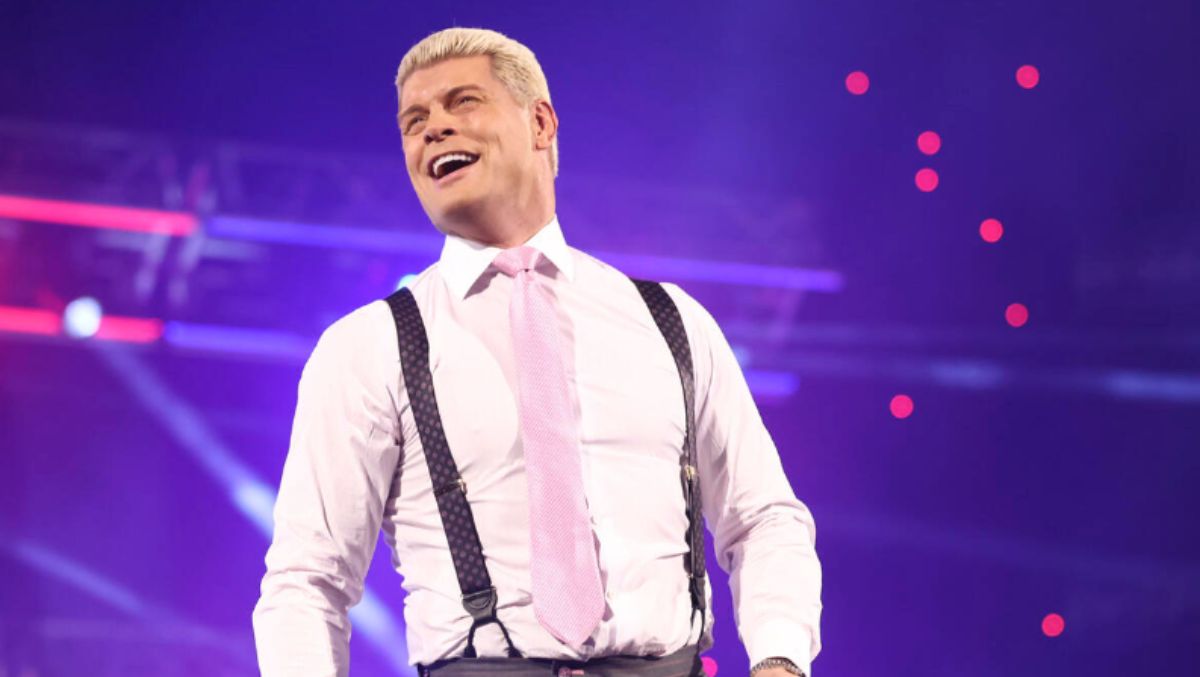
Looking ahead, the road to Backlash is short. My prediction is that WWE will restrict Rhodes to signature moves and minimal physical contact for the next three weeks, keeping him in suits or vignettes to avoid the glaring optics of a closed eye. They will likely push Orton into a series of squash matches to keep the heat on, essentially stalling the feud's technical progression to allow the body to heal. It is a necessary tactical retreat, but one that highlights the fragility of their current top-level planning.
Read Next
- The Bloodline's next chapter hinges on more than just family drama
- Cody Rhodes managing eye injury ahead of WWE Backlash
- Why Drew McIntyre is the most necessary worker in professional wrestling
- Top 10: Top Moments of WrestleMania 41 Weekend
- 🏆 WrestleMania 41 — Full Coverage Hub
- 💥 WWE Backlash 2026 — Full Coverage Hub