The elevation of the international PLE
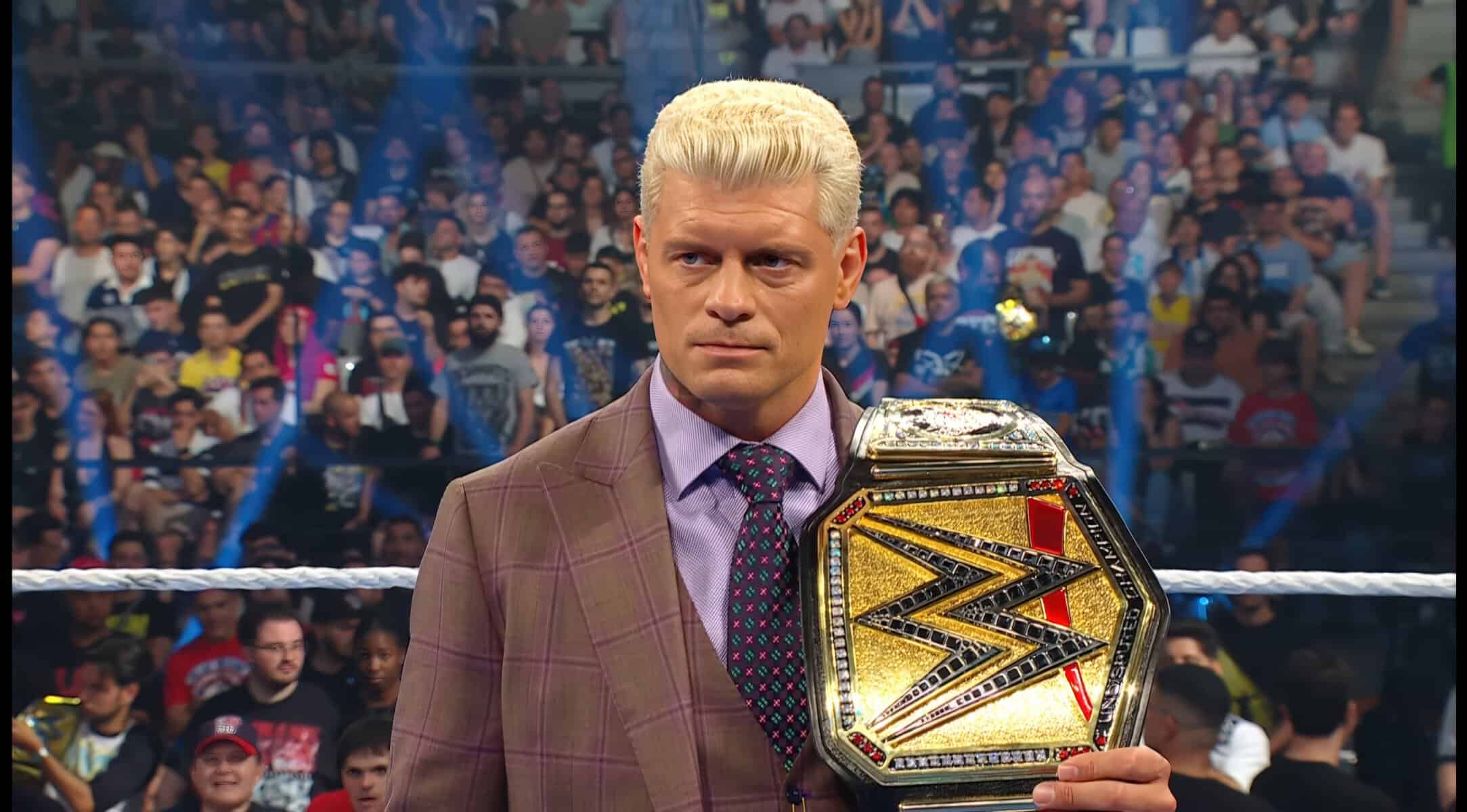
When Cody Rhodes mentioned that Clash at the Castle is creeping into the conversation as one of the big four, he wasn't just working the microphone for a European crowd. We are watching a deliberate shift in WWE’s scheduling philosophy. By positioning major title defenses outside of North American markets, the company is effectively decentralizing its biggest drawing cards.
Looking at the trajectory of these international shows, the engagement numbers reflect a shift in viewer behavior. Fans in Scotland and beyond aren't just treating these as secondary house shows on a larger screen. They are high-stakes environments where the matches often carry more emotional weight than the standard U.S. cable output.
Tactical flaws in the roadmap
However, the branding strategy has its drawbacks. By trying to turn every international stop into a tentpole event, WWE risks diluting the prestige that allowed the original big four—WrestleMania, SummerSlam, Survivor Series, and Royal Rumble—to maintain their status as the industry standard. Cody Rhodes argues for growth, but constant expansion risks viewer fatigue.
The pacing of these events is another area where the production team frequently misses the mark. We see too many matches ending in interference or disqualification finishes that cheapen the workrate. When you promote a high-concept card, the outcome should reflect the effort put into the build. Instead, we often get a main event that acts more as a transitional segment than a standalone classic.
What to expect in the ring
Matches at these international venues often lean into high-octane sequences to satisfy the live crowd’s volume. You should expect longer segments of sustained intensity but beware of the inevitable cooling-off periods that follow. The challenge for the talent is maintaining a consistent narrative when the crowd's energy is a 10/10 from the opening bell.
The shift to these arenas frequently mandates a change in style. Expect more stiff strikes and slower, more deliberate pacing during the early transitions to keep the crowd engaged without exhausting the performers before the 20-minute mark. This is a game of modulation. The technicians who understand how to pull back on the gas are the ones who come out with MOTN honors.
The final assessment
My prediction for the upcoming cycle is that the focus on these international markets will continue to prioritize spectacle over ring psychology. It is a calculated move to capture a global audience, but the long-term impact on match quality is questionable. Expect the main event to hover around the 25-minute mark, likely ending with a clean finish to keep the momentum high for the post-match photo-op.
Cody has the stature to back up his claims, but unless the cards start delivering more variety in booking, the novelty of these events will fade. Keep your eyes on the mid-card talent; they are usually the ones forced to work the hardest to get the building moving before the final entrance.
Read Next