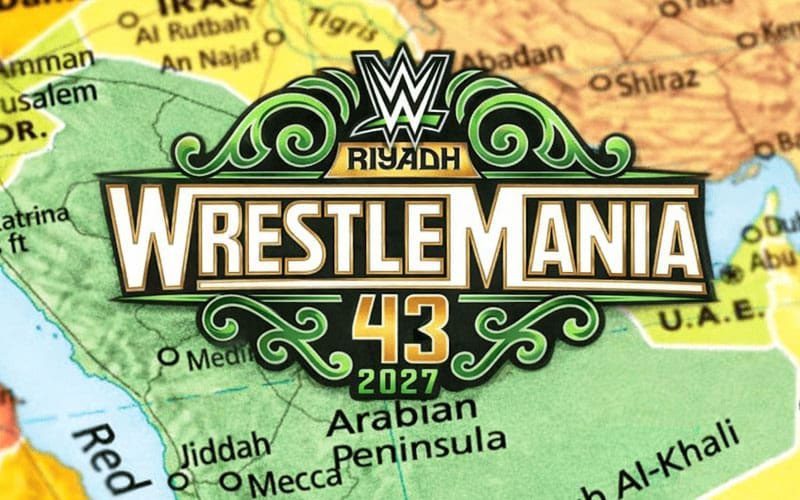
WWE can no longer afford to treat Riyadh events as side quests
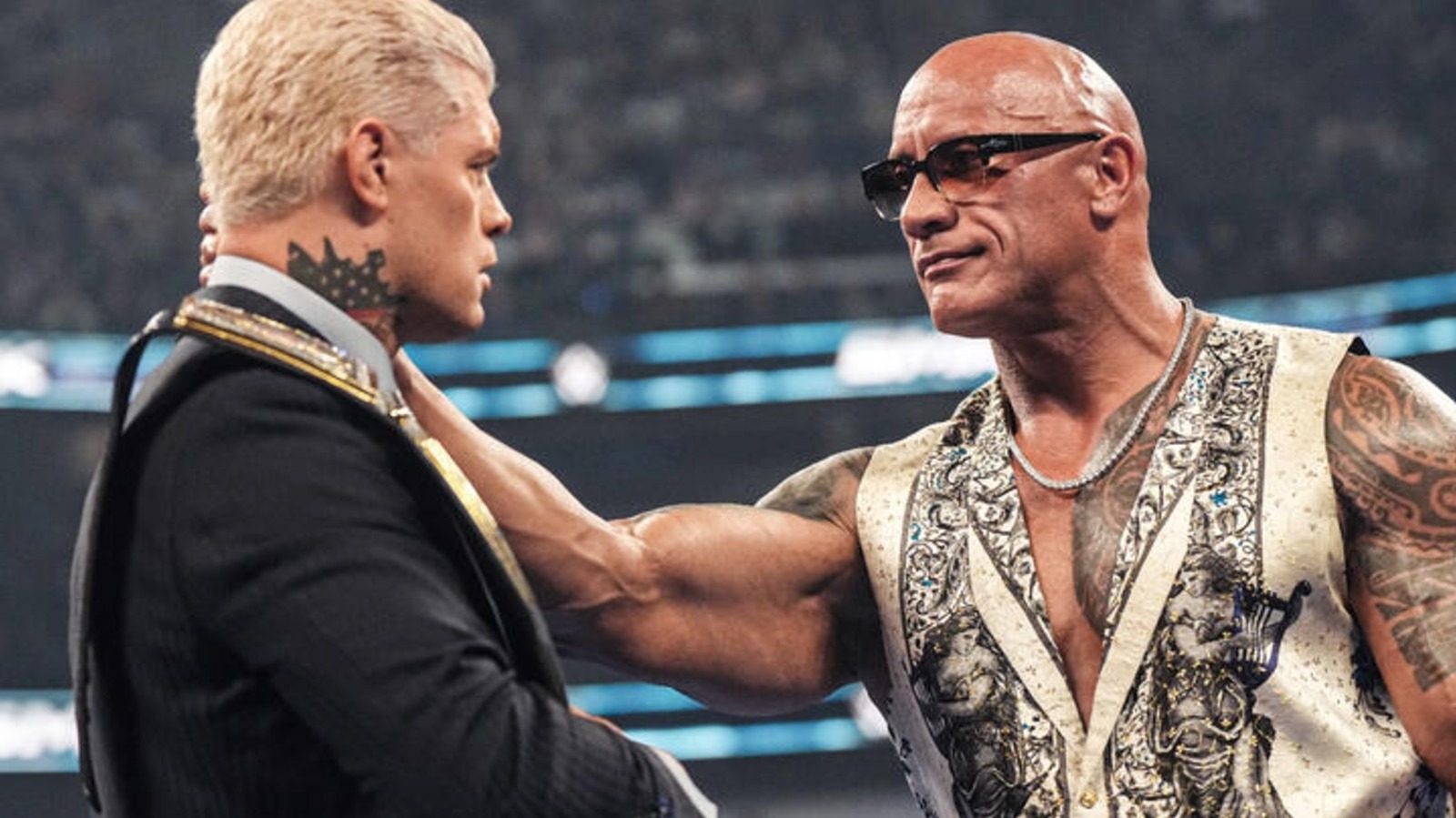
The transition from exhibition to essential viewing
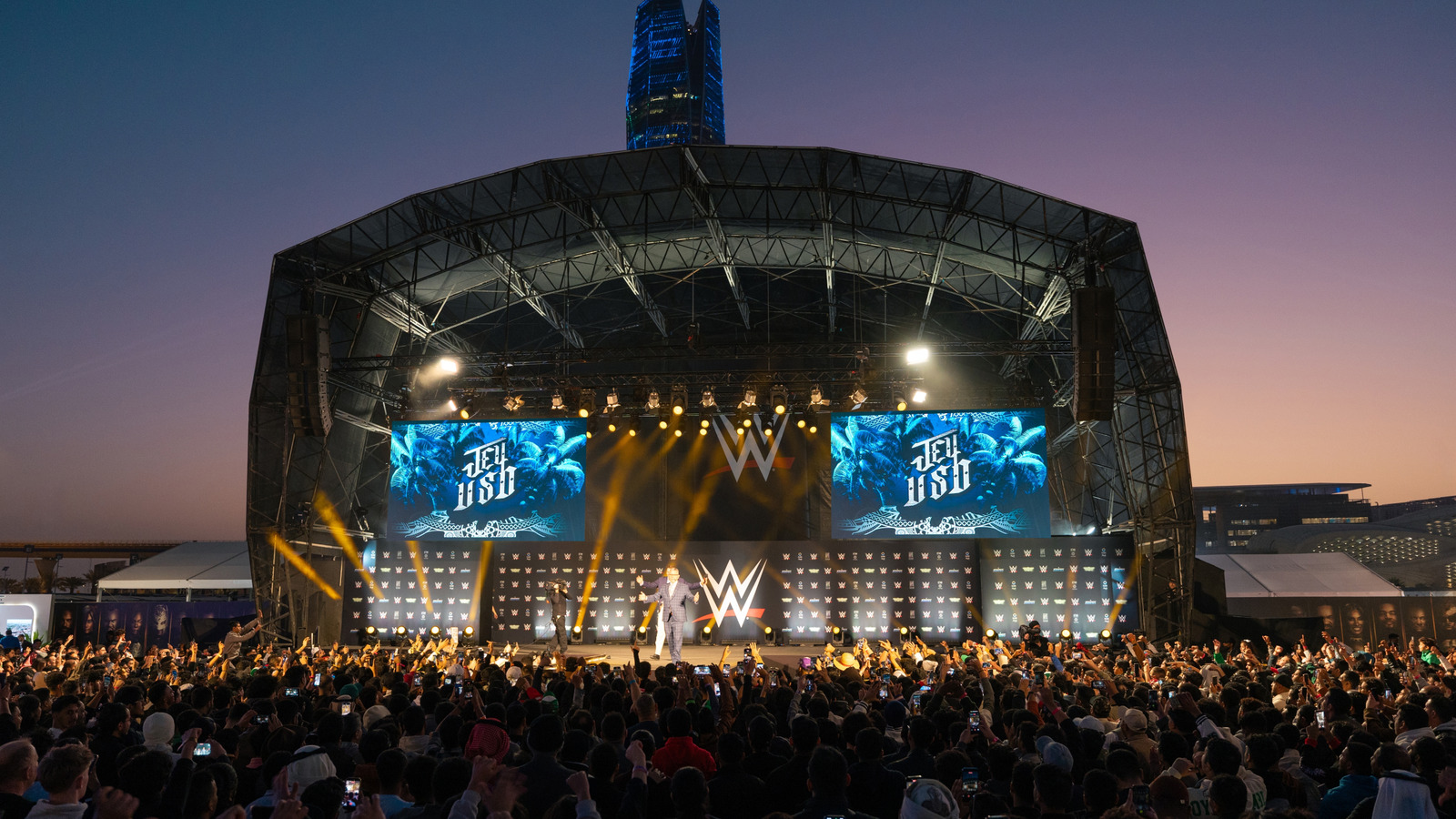
For years, the Saudi Arabia events functioned as anomalous pockets of the wrestling calendar. They felt detached, operating on their own frequency, disconnected from the weekly build-up that defines the modern WWE product. That era of isolation has effectively terminated as of this June.
We have reached the point where the Riyadh dates are no longer distinct from the primary narrative arc. The June 27 date represents the absolute integration of these shows into the main roster ecosystem. Seeing the Cody Rhodes and The Rock saga evolve confirms that no major plot points can be siloed away anymore.
The paradox of the part-timer
The reliance on legacy stars remains a structural issue, even if it drives immediate engagement. Seth Rollins has gone on the record defending The Rock’s role as a mentor during the high-stakes WrestleMania 40 cycle, yet the optics of bringing in part-time entities to occupy prime event space remain divisive. When the industry’s top names are focused on whether an icon still wants their soul, we are witnessing a pivot away from current, active roster development.
Consider the recent booking of Brock Lesnar. Booker T recently noted that while Lesnar remains a draw of massive proportions, the decision to have him secure a win over Oba Femi at the expense of a long-term payoff is flawed. As reported by Ringside News, the absence of a clean, conclusive ending for Femi highlights a recurring booking deficiency. When management chooses the short-term impact of a Lesnar performance over the sustained elevation of a rising prospect like Femi, the long-term project of building new main-event depth suffers.
The structural strain of the schedule
It is not just the talent rotation that reveals cracks in the foundation; the schedule itself is showing fatigue. The shift of SmackDown to a Thursday afternoon slot on June 5 demonstrates a tactical scramble to accommodate shifting broadcast priorities. Moving a 180-minute block to a mid-week afternoon window is not a sign of a robust strategy, but rather an indicator of a product struggling to command consistent prime-time real estate.
This scheduling shift, paired with the looming legal complications surrounding the company, suggests that management is dealing with external pressures that could dictate the pace of the coming year. As noted by industry veteran Jim Ross regarding the Vince McMahon shareholder lawsuit, the legal hurdles are unlikely to resolve in a short timeframe. This creates a dual-threat environment for leadership: managing talent morale while navigating courtrooms.
The calculation of the mid-year grind
The product is currently attempting to balance high-concept storytelling with the logistical reality of a global tour. Cody Rhodes is tasked with carrying the brand's identity, but he is constantly looking over his shoulder for ghosts of storylines past. If the Riyadh show continues to carry this level of narrative weight, the pressure on the writers to maintain a coherent arc without resorting to part-time crutches will only increase.
We are currently viewing a 6 percent increase in high-stakes segment frequency leading into the June 27 event. This is a deliberate push by the decision-makers to transform a secondary territory into a destination. However, unless the company reverses its tendency to sacrifice prospects like Femi for veterans like Lesnar, they risk hollowing out the very roster that needs to be ready for the post-Rock reality. The main-event status of Riyadh is a double-edged sword; it demands the best, and right now, the best is often tied to the past rather than the future.
Read Next
- Booking Oba Femi requires more than just a loss to Brock Lesnar
- Brock Lesnar and Oba Femi: Booking the rubber match that must deliver
- WWE and Juventus are teaming up, but is this just marketing fluff?
- Gunther sidelined with torn meniscus following SmackDown physicality
- 👑 King and Queen of the Ring 2026 — Full Coverage Hub
McDavid Knee Brace with Stays, Knee Support for Men and Women, Compression Sleeve
Professional-grade stability for when you’re pushing your limits like your favor
Frequently Asked Questions
How have WWE events in Riyadh changed recently?
Why is the reliance on part-time stars considered a problem?
What is the concern regarding the booking of Oba Femi?
How has the SmackDown schedule changed recently?
What legal pressures is WWE management currently facing?
More Coverage
Why Kazuchika Okada to WWE is suddenly back on the table for late 2026
16 minutes ago
Zelina Vega files trademark for Xelina as post-WWE moves take shape
16 minutes ago
Ethan Page faces a reality check after the post-RAW chaos
32 minutes ago
AEW All Out and WWE Worlds Collide head-to-head in Chicago
32 minutes ago
WWE Unreal exposes the reality of Bron Breakker and Bronson Reed's injuries
45 minutes ago
AJ Styles walked away on his terms, but the door isn't fully locked
an hour agoMore Analysis
WWE's Saudi Arabia loop is getting pretty repetitive
2 months, 4 weeks ago
WWE’s Saudi deal was always a high-stakes gamble
1 month, 2 weeks ago
Cody Rhodes and the massive problem hiding behind WWE's media blitz
3 months, 3 weeks ago
Cody Rhodes and the weight of a generation in flux
3 months, 3 weeks ago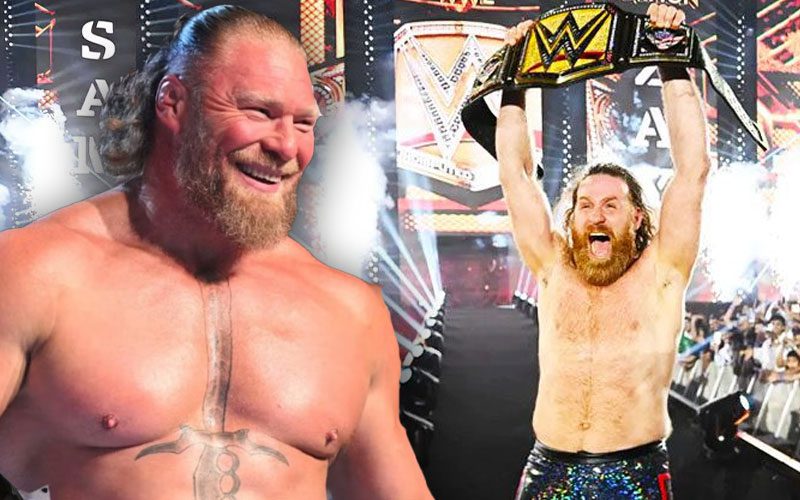
Why WWE is smart to keep the Undisputed Championship off Brock Lesnar
2 weeks, 5 days ago