The injury confirmed following weekend collision
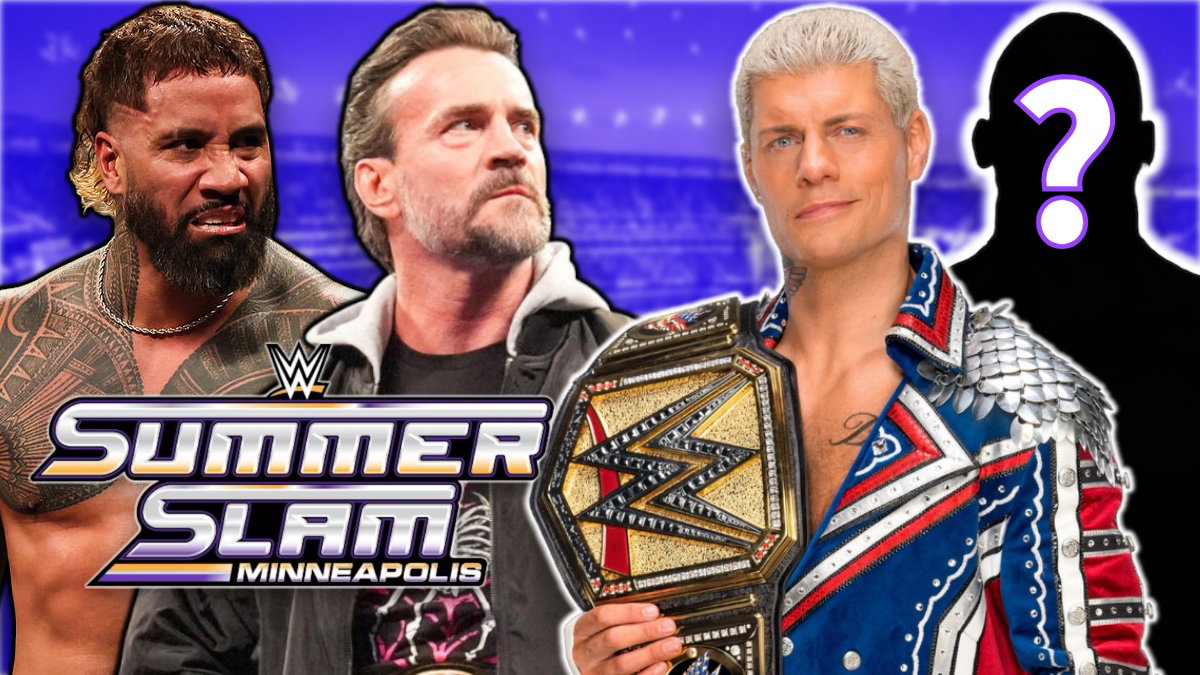
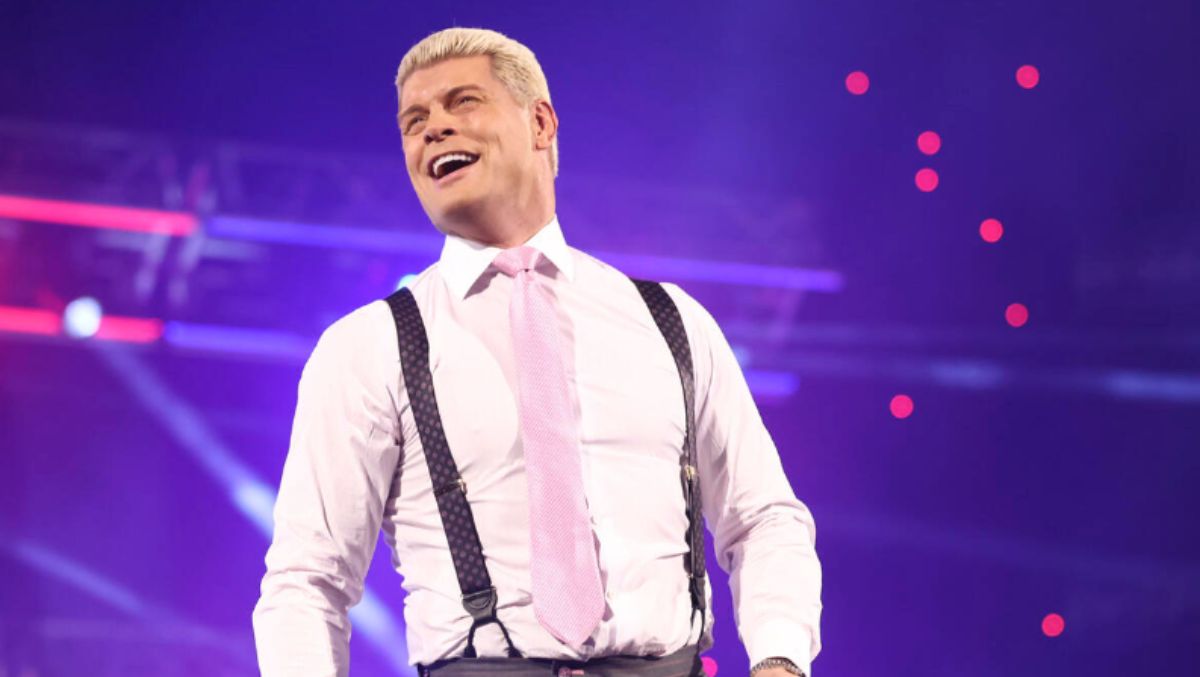
Cody Rhodes confirmed a Grade 3 pectoral tear during Monday morning medical evaluations. The injury occurred during a high-impact spot roughly 18 minutes into his main event championship defense this past Saturday.
Rhodes landed awkwardly after a top-rope moonsault, reportedly sustaining the tear upon impact with the mat. He finished the match, securing a pinfall victory with a Disaster Kick and two consecutive Cross Rhodes, but trainers immediately flagged the injury during the post-match check.
Timeline for surgery and return
Surgery is scheduled for Wednesday. Medical staff anticipate a recovery window of six to nine months, effectively removing Rhodes from the summer schedule and the lead-up to high-profile stadium shows. This is a severe blow to the current creative direction, as the promotion lacks a clear babyface anchor to carry the brand through mid-2026.
This injury mirrors his 2022 medical situation where he competed through a fully detached tendon. Physical therapy protocols in 2026 have evolved, but doctors are signaling a more conservative approach this time. Forcing a return before the 6-month marker introduces an unacceptable risk of permanent nerve damage.
Strategic damage to upcoming schedules
The company is scrambling to reorganize major dates in light of this absence. With WWE returning to Mexico City for the first time in 15 years this September, the loss of their top draw for those shows creates a significant marketing void. Attendance projections for the Arena CDMX dates are likely to fluctuate as ticket buyers realize the primary titleholder will be absent.
Booking teams now face the difficult task of pivoting the title picture. Relying on makeshift tournament formats or interim champion tropes rarely resonates with the hardcore audience. The reliance on one talent to carry the championship load has repeatedly left the roster vulnerable to these exact disruptions.
A pattern of over-reliance
Historical data shows this roster depth issue is a recurring oversight. When top talent occupies the majority of television time, mid-card performers lack the credibility to fill the void during injury spells. Management has failed to build credible secondary challengers, making this gap feel even wider for the viewer.
The recovery process will likely focus on strengthening the shoulder girdle to prevent future recurrence. Rhodes will not be allowed to perform even light promotional work for the next 4 weeks while the initial repair stabilizes. Expect the front office to announce a title tournament structure by next week's broadcast to mitigate the loss of momentum.
This situation serves as a stark reminder of the physical cost of the current performance schedule. Asking performers to execute high-impact aerial maneuvers on a weekly basis, combined with a heavy travel load, inevitably hits a wall. Whether the creative team adjusts the in-ring style to preserve health remains the biggest question for the year ahead.
Read Next
- Nikkita Lyons is stuck in limbo and fans have had enough
- Cody Rhodes is chasing a logistical nightmare on the high seas
- Cody Rhodes and the crushing weight of the top spot
- Cody Rhodes battles shoulder strain after Inalpi Arena main event
- 🏆 WrestleMania 41 — Full Coverage Hub
- 💥 WWE Backlash 2026 — Full Coverage Hub