The shifting power dynamics impact return speculation
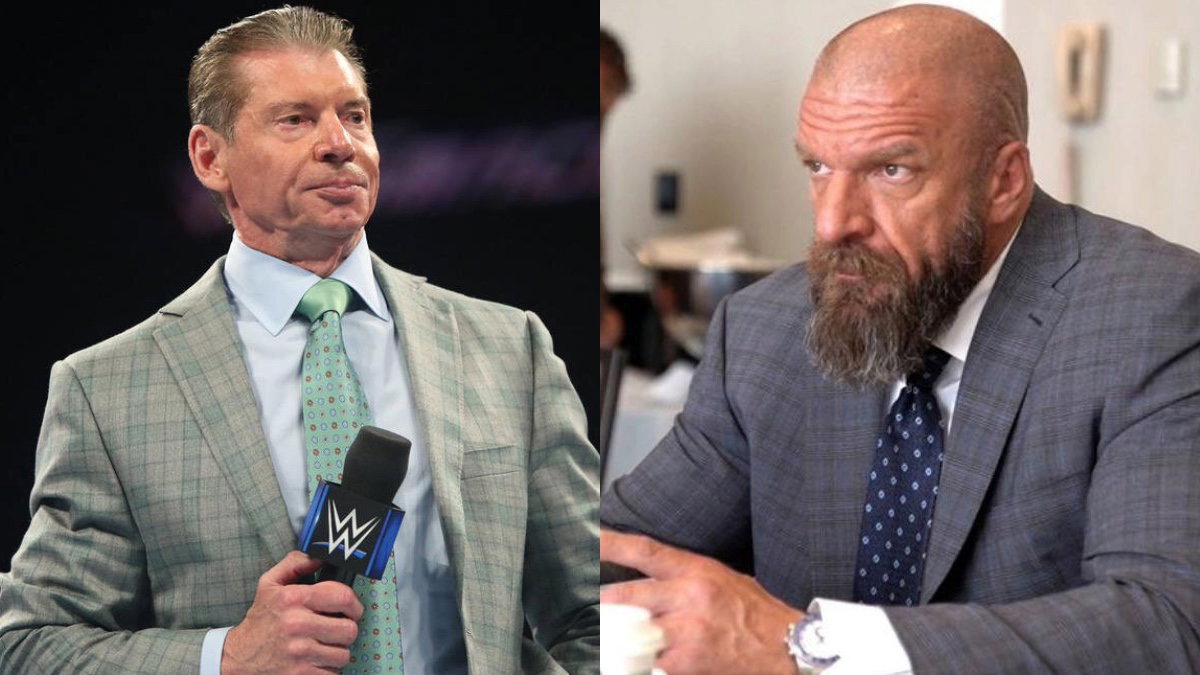
The internal hierarchy at WWE has stabilized since the July 2022 transition from Vince McMahon to Triple H. That shift fundamentally changed the calculus for talent exits and returns. We are now seeing a specific trend where wrestlers who were previously sidelined by the old regime are evaluating the current product with fresh eyes.
Recent reports detail conversations between Triple H and former talent immediately following the leadership turnover. The narrative from those involved suggests that the previous barriers—specifically the rigidity of the McMahon-era creative process—have been replaced by a system that prioritizes long-form storytelling over rapid, unpredictable deviations.
Evaluating the credibility of a potential reunion
When measuring the likelihood of a high-profile return, the metrics stay focused on creative fit. If a wrestler felt unheard in 2022, they are now watching the current weekly programming to see if their specific skill set has a vacant slot. The data points from the last two years suggest Triple H prefers depth in the mid-card as much as he does at the top of the pile.
The source documentation from WrestleTalk highlights that the core issue for talent was a breakdown in dialogue. That communication gap is no longer the primary hurdle. The professional relationship is arguably in better standing than it was during the transition period.
The creative bottleneck remains a risk
Despite the improved communication, skepticism is mandatory. Even with a more technical approach to booking, the roster is currently bloated. Adding a returning name requires displacement of someone else currently occupying television time. This creates a zero-sum game that often leaves returning veterans in purgatory.
There is also the matter of style adaptation. If a wrestler left because their specific aesthetic didn't align with the move toward more realistic sports-entertainment, the current environment might not offer a structural remedy for that mismatch. The industry has evolved past simple nostalgia acts.
Trajectory and market fit
A return to WWE is not merely about past fame; it is about utility. Triple H evaluates talent based on their ability to elevate younger wrestlers. If a former star returns, they must be willing to put over the next class rather than dominating the main event scene indefinitely. Recent signings outside of WWE show that competition for independent talent remains intense.
The current market dictates that savvy veterans move where the pay-per-view schedule offers the most prestige. WWE remains the peak for visibility, but the trade-off is the loss of creative autonomy. The negotiations are reportedly less about the money and more about the path to a meaningful program at the next major stadium show.
The probability assessment
Based on the current intelligence, a return is firmly in the 'possible' category. While direct bridge-building has occurred between the parties, booking a return requires a specific storyline need. We are looking at a 35% probability of a return being finalized before the end of the year.
The expected timeline for such a move usually tracks with major gate events. Do not expect a random television appearance on a standard Monday or Friday. These deals typically manifest during the closing segment of a premium live event where the crowd impact is guaranteed.
Impact analysis post-return
If the deal closes, the immediate impact is a shift in the locker room hierarchy. Existing mid-card talent would face a stiffer challenge for TV time. Conversely, the return of a recognizable name provides the promotion with an immediate marketing asset for social media campaigns and ticket sales in major metropolitan markets.
The long-term success of the move depends on the initial three-month booking block. If the return descends into a repetitive series of matches without character development, the audience will tune out. The pressure is on the booking team to treat the returning talent as an active member of the roster rather than an artifact of the past.