
DDT Pro-Wrestling is testing the limits of what a ring can be

Public space aesthetics and the evolution of the ring
DDT Dramatic Dream Takashimaya Vol. 4 offers a sharp reminder that professional wrestling does not require a traditional arena to deliver high-stakes physicality. By utilizing the Shinjuku Takashimaya 1st Floor JR Exit Special Venue, the promotion stripped away the black-curtain mysticism of a typical hall. The result was a contest defined by its proximity to the urban flow of Tokyo.
We saw the recording date of June 6th transform into a digital product by June 9th. The choice of venue acts as a framing device. When you pull the squared circle into a transit hub, every move gains a different weight. The environmental constraints force wrestlers to prioritize spatial awareness over traditional high-flying sequences that require vast clearance.
The geography of the match
This event, documented as Dramatic Dream Takashimaya Vol. 4, raises questions about how modern promotions handle outside environments. The physical setup dictates the pacing of every exchange. Without the buffer of a traditional ringside barrier, wrestlers are forced to calibrate their impact intensity.
Technical execution under these conditions is notoriously difficult. The lighting, the ambient noise of a transit exit, and the potential distraction of foot traffic around the JR exit change the performer's internal clock. A wrestler usually relies on crowd reaction to time their transitions, but here, the environment demands immediate contact to reclaim attention. It is a rigorous test of fundamentals for the roster involved.
Critiquing the spectacle
However, the spectacle of a pop-up location remains a double-edged sword. While visual novelty is a draw for digital subscribers on Wrestle Universe, it introduces genuine concerns regarding athlete protection. Flooring variations in impromptu venues are a nightmare for structural consistency.
During the main features of the day, certain sequences felt stifled by the lack of traditional mat support underneath the temporary flooring. We saw several striking exchanges where the stability of the ring surface appeared secondary to the visibility of the venue. Wrestlers often compensate by adopting a grounded, grapple-heavy style, yet the risks of jarring landings remain constant.
The strategic pivot
DDT continues to operate in a category of its own. While other major organizations struggle with the scale of stadium logistics, DDT leverages the portability of their brand. The move to the Takashimaya 1st Floor represents a $0 investment in traditional overhead and a massive return in guerilla-style social media engagement.
The data suggests that viewership retention remains steady for these outdoor, location-specific cards. Fans are not tuning in for classic, technical perfection. They are tuning in to see how the wrestling geometry adjusts to a public, non-athletic setting. It is a strategic masterclass in keeping the product fresh without expanding the roster or the budget.
Looking at the match outcomes, the reliance on veterans to secure the pacing of these chaotic spots shows a tactical maturity. You cannot throw a rookie into a transit hub exhibition without guardrails. The veteran presence ensures the transitions from the mat to the surrounding architecture remain calculated rather than catastrophic.
Future implications
As we approach the summer, the question for DDT is whether this format can scale. Could they convert a larger public plaza without losing the intimacy that makes the Shinjuku JR Exit events work? If the floor space expands, the energy risks diluting across a wider perimeter.
For now, the balance is held by the sheer charisma of the participants. They own the space, transforming a point of transit into a point of conflict. It is a stark contrast to the massive, sterile, and increasingly repetitive staging seen in stateside stadium shows. Sometimes, the best way to innovate is to stop building stadiums and start occupying the places people are already walking through on their way to work.
WWE Ultimate Edition Action Figure: Roman Reigns
Highly articulated, premium gear for the most dominant champion of the modern er
Frequently Asked Questions
What is the location of the Dramatic Dream Takashimaya Vol. 4 event?
How does an outdoor venue affect professional wrestling match pacing?
Why do wrestlers adopt a grounded style in improvised venues?
How does DDT track the success of their specialized outdoor shows?
What technical challenges arise when wrestling in transit hubs?
More Coverage

AJ Lee is proving that ring rust is a myth
2 hours agoRachel Price's legal victory highlights the cost of independent wrestling
11 hours ago
Vince McMahon’s comeback isn't just a rumor, it's an inevitability
1 day, 3 hours agoMic Check: Ranking Today's Best Talkers in Wrestling
1 day, 12 hours agoOn This Day in Wrestling: July 24
1 day, 15 hours ago
WWE’s injury crisis hits harder as recovery timelines stretch into August
3 days, 2 hours agoMore Analysis
DDT just turned a Tokyo parking lot into the best show on the planet
1 month, 1 week ago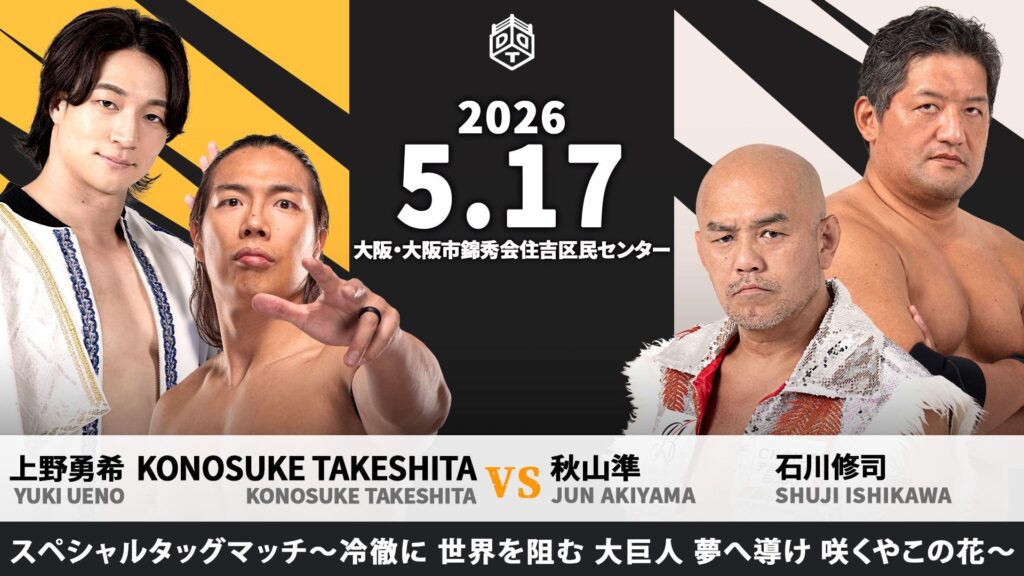
Hirakimoto's rapid ascent proves DDT must fix its undercard problem
2 months ago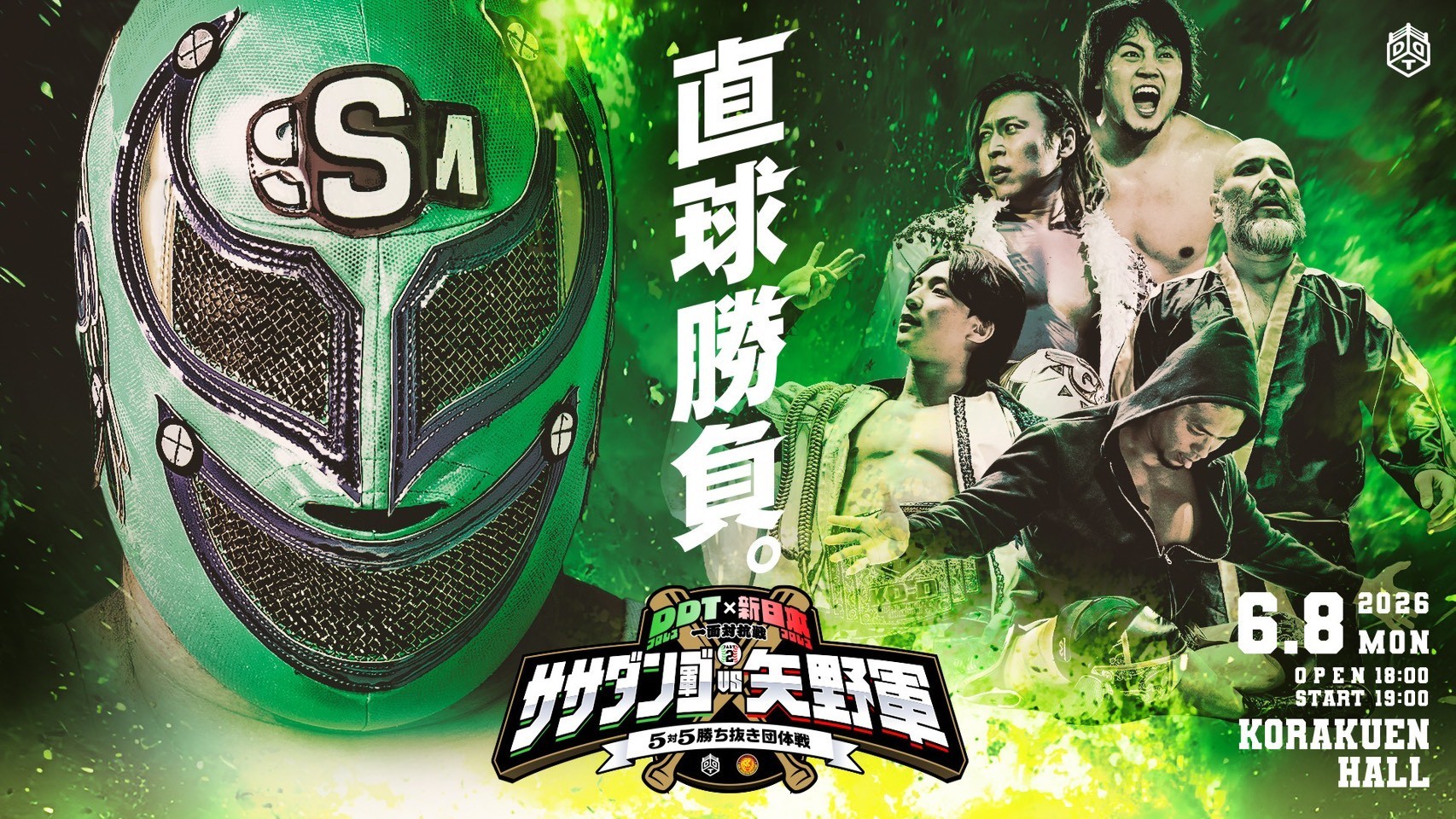
NJPW and DDT are stuck in a creative stalemate
1 month, 2 weeks ago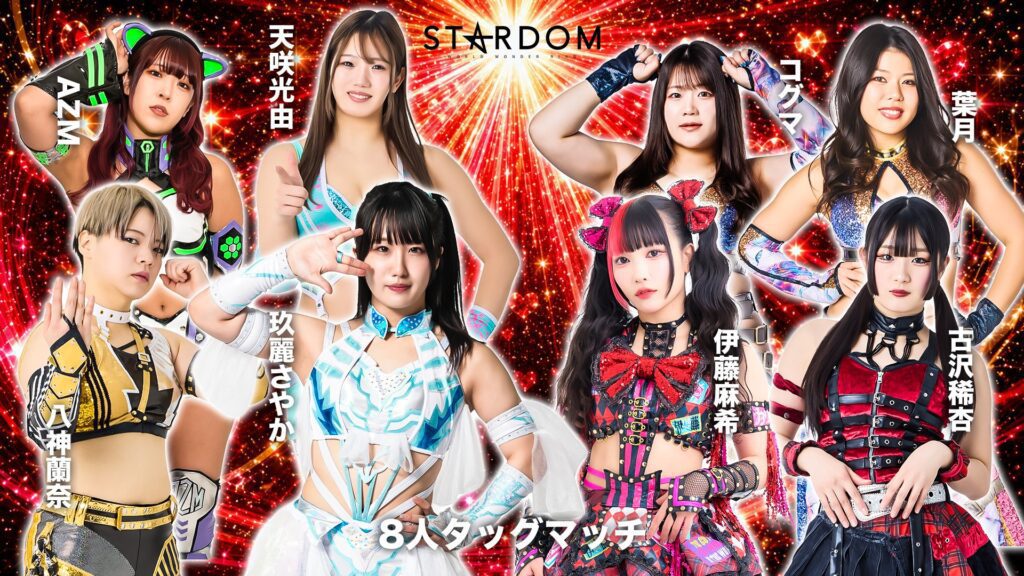
The weekend of May 17 proves wrestling's regional depth
2 months ago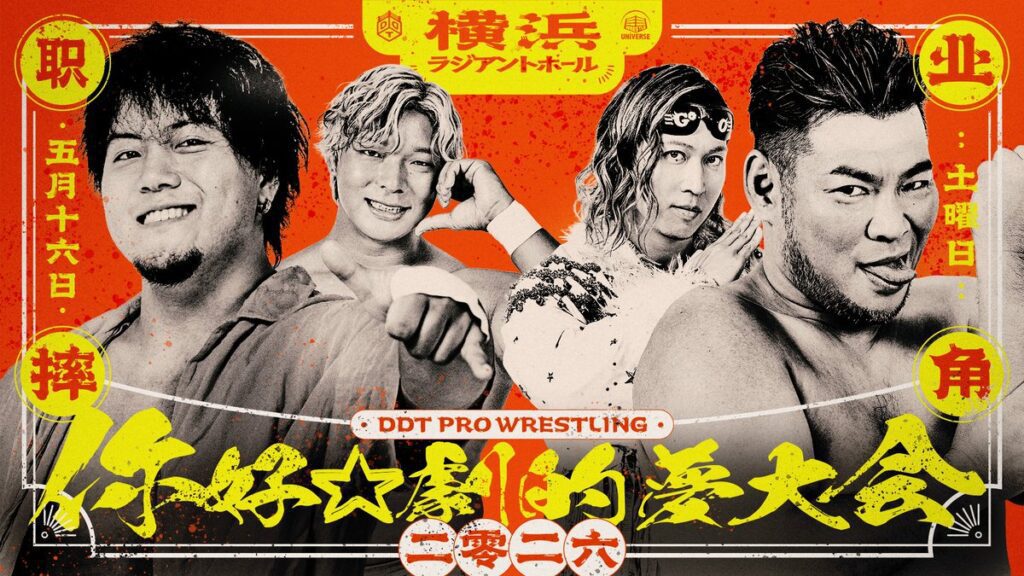
DDT Pro Wrestling just exposed their biggest booking flaw in Yokohama
2 months ago