The stagnation of cross-promotional booking
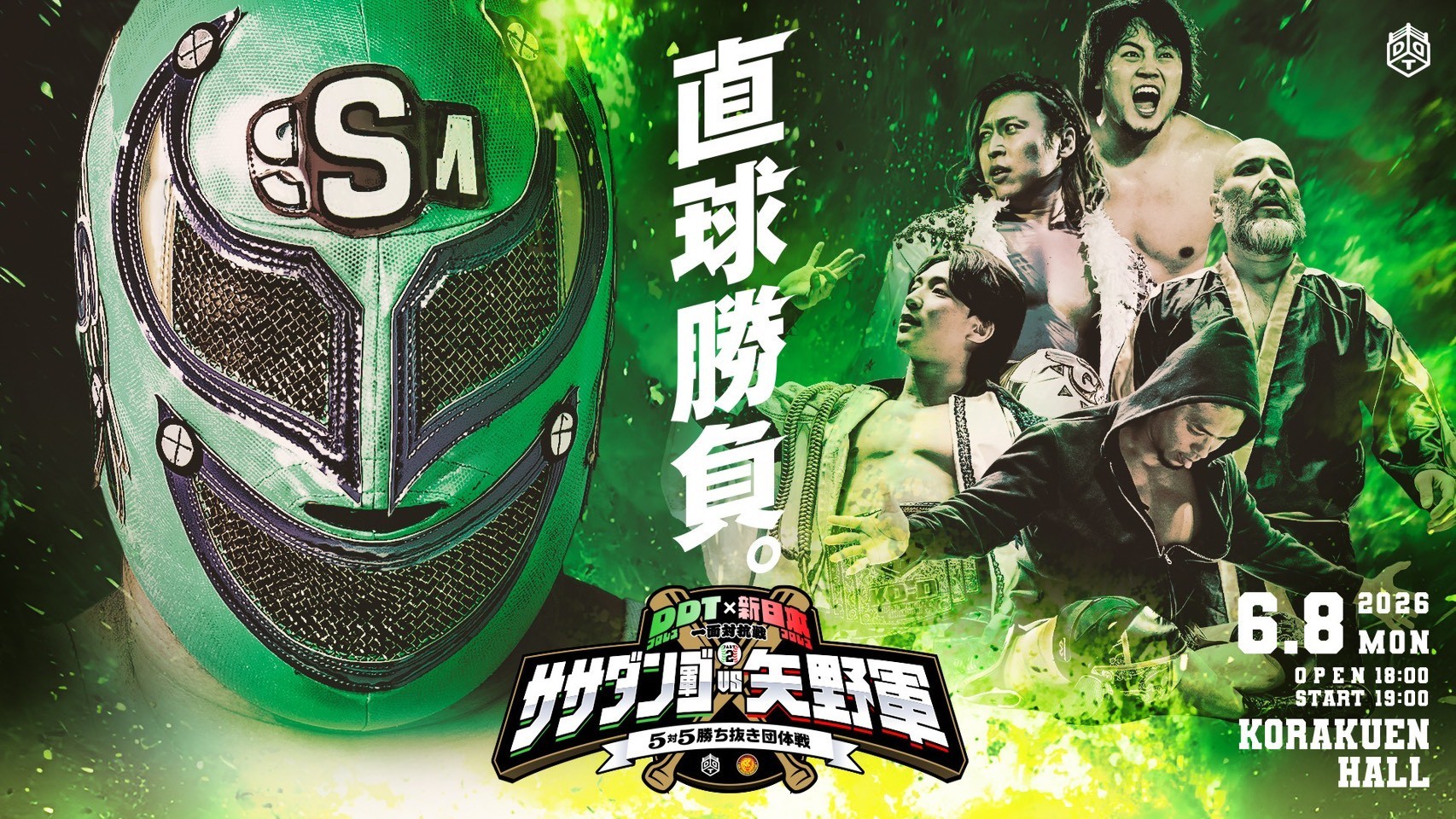
The recent NJPW vs. DDT Part 2 event at Korakuen Hall on June 8th, 2026, highlighted a growing friction in output between two of Japan’s most distinct styles. While the collaboration is designed as a spectacle, the results suggest a clash of philosophies rather than a fusion of talent. The main attraction, Hinata Kasai versus Tatsuya Matsumoto, ended in a time-limit draw, failing to provide the decisive outcome required to justify the buildup.
Timing is everything in professional wrestling, and these events currently feel like side-projects for both promotions. When inter-promotional cards lack a coherent narrative thread, the audience is left watching disparate styles compete for space rather than territory. We are seeing a lack of urgency that hurts the prestige of these matches.
Tactical inconsistencies in the ring
From a technical standpoint, the matches showcased at Korakuen Hall lacked the intensity seen in pure NJPW G1 Climax tournaments or the idiosyncratic charm of typical DDT Pro-Wrestling shows. The wrestlers seem caught between two mandates: work the NJPW strong-style grind or adhere to the chaotic, comedy-laced spirit of the DDT roster. This compromise led to a disjointed pace during the June 8th broadcast.
The current scheduling conflict within the wider Japanese circuit makes these joint ventures harder to digest. Consider the recent logistical issues faced by promotions like Marigold, where taped delays turn potentially hot angles cold. If the industry continues to prioritize the volume of shows over the quality of the narrative arc, these crossovers risk becoming entirely skippable.
The cost of the stalemate
The draw between Kasai and Matsumoto illustrates a conservative approach to booking. Protecting both parties from a loss in a cross-promotional setting is a common safety net, but it drains the drama from the contest. A decisive finish via a 15-minute submission or a high-impact finishing sequence is what establishes a rivalry. Going the distance feels less like a display of fortitude and more like a lack of imagination.
I expect the next iteration of these shows, should they continue, to be met with declining interest unless the matchmaking moves away from safe, mid-card fillers. The talent is present, but the execution is missing a pulse. This is not a sustainable way to build cross-promotional interest.
Prediction: If the booking logic for the next iteration does not shift toward high-stakes outcomes, the partnership will lose its remaining luster before the end of the year. My call is that unless we see a clear main event winner in the next encounter, the audience metrics will drop.