The G1 Climax logic gap
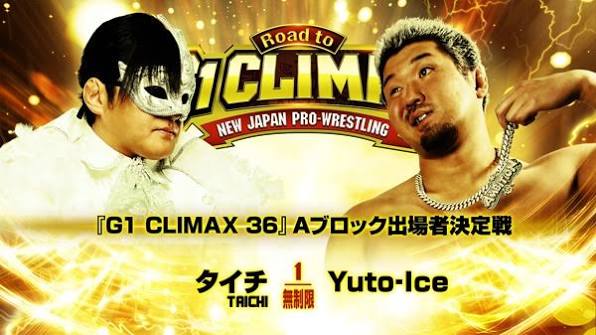
NJPW returned to Korakuen Hall on June 23, 2026, for the Road to G1 Climax, but the booking choices made during this tour serve as a warning. The current reliance on multi-man tag matches to build tournament heat feels archaic when the product lacks the star power density that made the G1 era of 2017-2019 legendary.
Reviewing the recent results from Tokyo underscores a lack of decisive momentum. We are seeing high-workrate athletes trapped in 10-minute sprint tags that do nothing to advance the narrative of the upcoming Block A or Block B standings.
The internal structural failure
The promotion currently faces a crisis of identity regarding their main event talent. While the technical execution in the ring remains elite, the absence of a singular, dominant figurehead to drive ticket sales for the G1 finale is glaring. Matches are technically proficient, yet they often lack the average star rating required to push the product back into the mainstream conversation.
Booking cycles have become predictable. When you stack matches where the heavyweights occupy the same spots in identical 6-man tags, you kill the excitement for the one-on-one rematches in the tournament proper. The fatigue is set when the tournament structure begins because the fans have already consumed the same sequences three times in the preceding ten days.
Predicting the tournament outcome
The G1 Climax 36 winner won't be a fresh face. Despite the need for a transition, the data confirms that NJPW leans heavily on veteran preservation. My prediction is a safe, established veteran victory to stabilize the belt rankings through the fall season.
NJPW is banking on an aging core to carry the workload. It is a mistake to force younger talent into the main event slots when their win percentage in high-profile singles contests during the last quarter hovers below 40 percent. This creates a disconnect between the fans' desire for fresh blood and the company's insistence on protecting their diminishing assets.
The tournament will conclude with the expected result for the primary stakeholders. Expect a heavily scripted path to the finals that prioritizes safe pairings over the aggressive pushes needed to evolve the booking strategies for next year.