Setting the Stage for a Record-Breaking Summer
Professional wrestling in 2026 has been defined by rapid shifts in momentum and unexpected booking choices. We are currently in a volatile period where established stars are being forced to adapt to rising challengers while management constantly tweaks the internal hierarchy.
This list reflects the most impactful television segments and match outcomes. It separates the high-octane spectacle from the filler that has plagued the mid-card all year.
The Rankings
1. The return of John Cena on the July 24 episode of WWE SmackDown marks the single most significant pop of the year. His arrival signals a move toward high-profile attractions as the company approaches late-summer programming blockbusters.
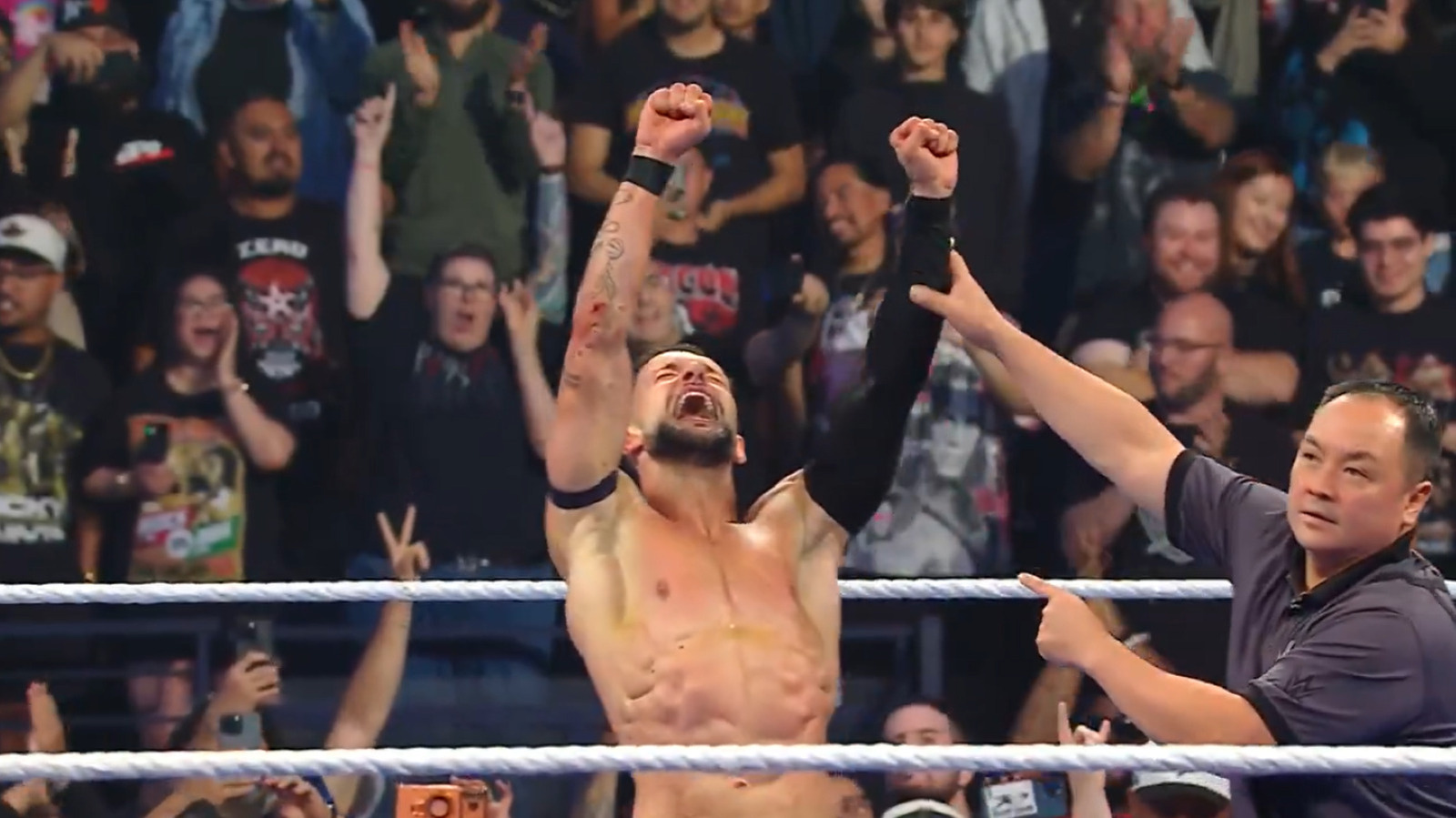
2. Sami Zayn securing his match at the conclusion of recent television developments holds the second spot. It is a masterclass in long-term character work, though the booking regarding his happiness remains a point of contention for fans who prefer a cleaner face-turn narrative.
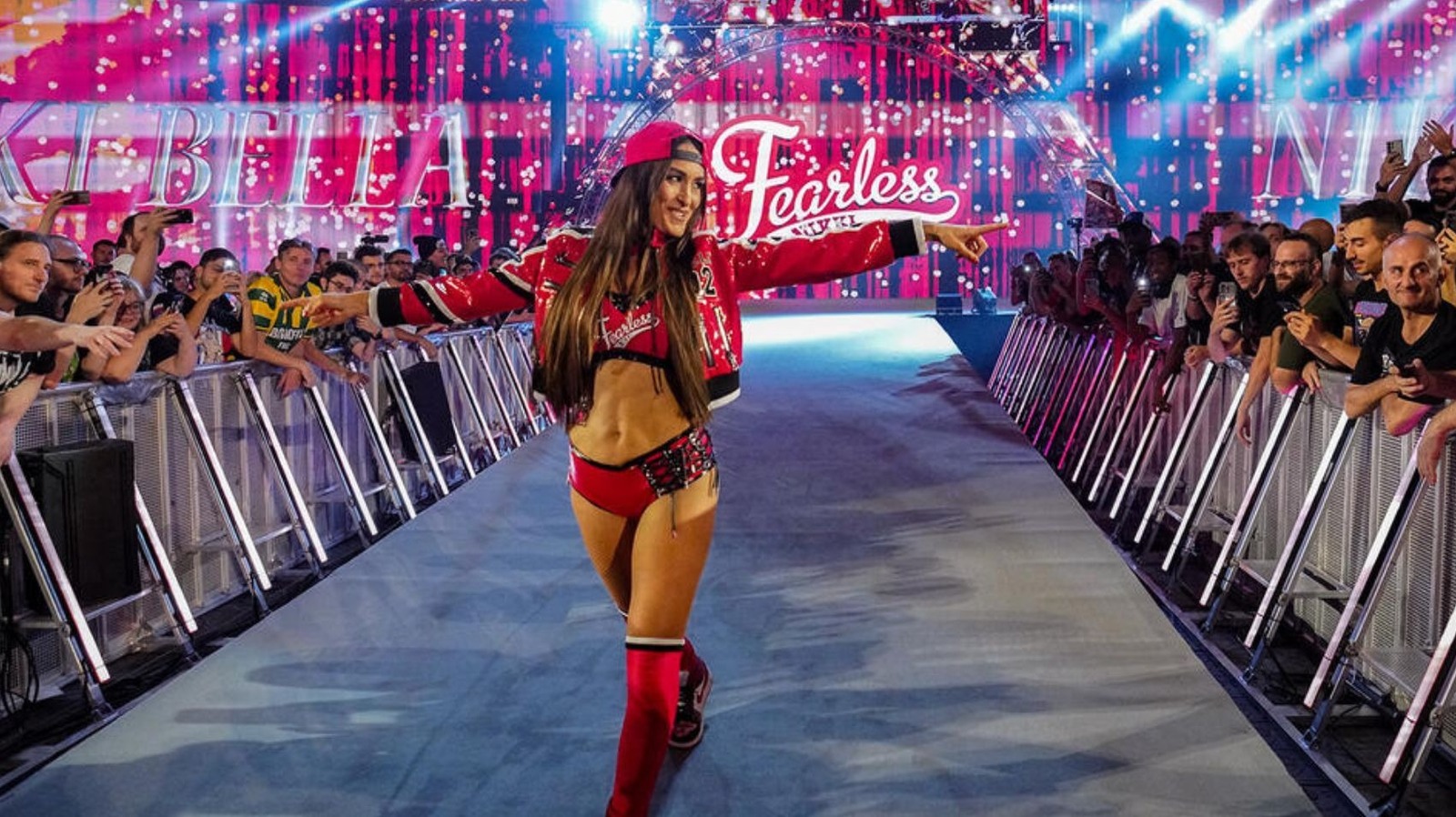
3. The interference in the final qualifier for the women’s division, which saw Nia Jax lose out, ranks third. While it successfully generated heat, the reliance on external interference to protect top talent is becoming a tired trope in the current creative direction.
4. The establishment of the match card for the upcoming Minnesota event shows clear intent from the creative team to push newer talent into secondary slots. It is a necessary move to broaden the roster, yet it feels forced compared to the organic growth of the main event scene.
5. The ongoing tension between authority figures and the locker room, frequently detailed in recent PWInsider reports, provides the backbone for current storylines. This friction effectively bridges the gap between different factions.
6. The mid-card title consolidation effort across recent broadcasts has provided clarity to an otherwise cluttered division. However, the lack of compelling challengers for the current champions points to a deeper issue with roster depth.
7. The execution of the tag-team breakdown in early June serves as a cautionary tale for modern booking. What began as a high-intensity feud quickly devolved into repetitive interference spots that diluted the original impact of the team's split.
8. The surprise heel turn during the mid-July televised events added a much-needed layer of complexity to the program. It was sharp, quick, and didn't overstay its welcome with ten-minute promos.
9. The successful transition of former developmental standouts to the main roster has been handled with surprising care compared to the reckless pace of 2025. This gradual integration is paying dividends in crowd engagement.
10. The closing segment of the July 24 SmackDown—featuring the fallout from the qualifier—rounded out the list. It is rare to see a show end on such a sour note for the protagonists, but the drama was palpable enough to drive interest for next week.
Analysis and Honorable Mentions
The biggest issue plaguing the current creative output is the over-reliance on sudden interference to end matches. Wrestling does not always need a chaotic conclusion to remain engaging; sometimes, clean finishes generate more respect for the talent involved.
Honorable mentions go to the stellar cinematography improvements during backstage segments in early May and the uptick in technical wrestling quality during the opening hours of the brand-split transition. Keep an eye on how these story threads develop in Minnesota.