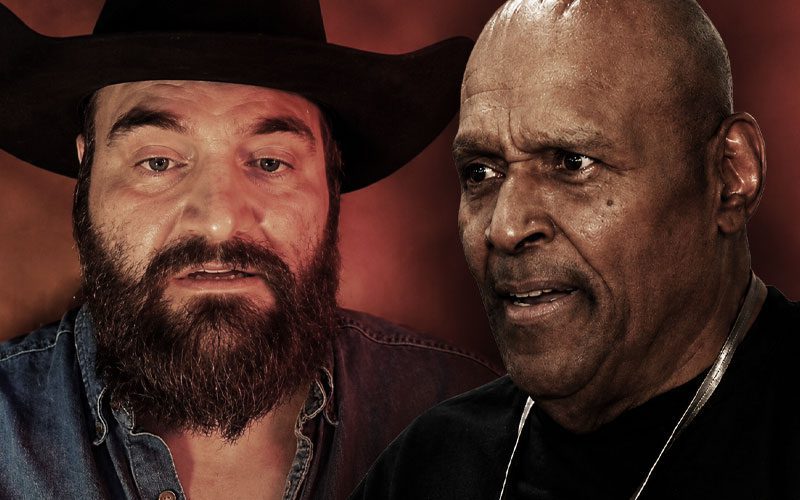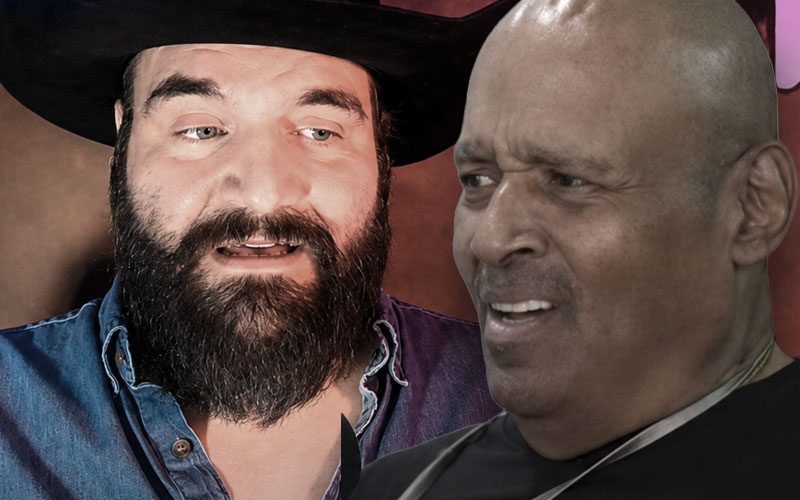
The decades-old blood feud between Devon Nicholson and WWE Hall of Famer Lawrence Shreve has taken an incredibly ugly turn on social media. On June 24, 2026, Nicholson posted a graphic photo of the 85-year-old Shreve on Facebook, claiming he is rotting to death before hell. The post immediately sparked massive outrage and rekindled the bitter debate surrounding their legal and medical history.
Nicholson, who performed under the ring name Hannibal, contracted Hepatitis C after a bloody 2007 match against Shreve in Calgary. He successfully sued Shreve, winning a $2.3 million court judgment in 2014 after proving Shreve used a shared razor blade. Nicholson now accuses the wrestling legend of hiding his money to avoid paying that massive judgment.
Shreve's representatives have long maintained that the retired wrestler is broke, sick, and helpless in a nursing home. Nicholson rejects this narrative, arguing that Shreve is hiding assets through family members to avoid his debts. This ongoing financial dispute has prevented any closure for either party over the last twelve years.
The physical decline of Lawrence Shreve is a matter of public record, but the recent photo represents a new low. The image shows the once-terrifying hardcore icon looking frail, emaciated, and confined to a bed. Critics have slammed Nicholson for sharing such a private and disturbing image of a dying senior citizen.
The Medical Reality of Hepatitis C Transmission in Wrestling
The medical history between the two men remains one of the most significant warnings against unsafe ring practices. During their 2007 encounter, Shreve reportedly used a razor blade to cut both himself and Nicholson without consent. This process, known as blading, was used for decades to create blood loss and enhance drama in matches.
Hepatitis C is a bloodborne virus that causes chronic liver inflammation, cirrhosis, and potential liver failure. The virus can survive on metal surfaces like razor blades for several days under specific conditions. Sharing a blade in a wrestling ring carries an extremely high risk of transmitting such bloodborne pathogens.
Nicholson spent years undergoing a grueling and painful experimental treatment to clear the Hepatitis C virus from his system. The treatment was successful, but the physical side effects derailed his career during his peak athletic years. A promising WWE contract offer was rescinded due to his medical status, costing him millions in potential earnings.
While Nicholson is now medically cleared of the virus, the career damage and financial loss remain permanent. The case established a critical legal precedent regarding the liability of wrestlers who blade during matches. It sent shockwaves through the independent wrestling community, forcing promoters to reconsider their blood policies.
The Ethics of the Deathbed Book Promotion
Instead of focusing solely on the legal judgment, Nicholson has used the situation to generate publicity. Shortly after posting the controversial photo, he released a video update discussing Shreve’s health. In that video, he used the deathbed situation to plug his own upcoming book.
This commercial angle has drawn widespread condemnation from wrestling fans and industry observers alike. Many argue that leveraging a dying man’s physical state to sell merchandise is predatory and classless. Nicholson’s actions have alienated supporters who previously sympathized with his medical struggles.
The backlash intensified when fans began posting comments urging Nicholson to forgive Shreve before he passes away. Nicholson responded by dropping multiple F-bombs on fans who demanded he let the grudge go.
He argued that those calling for forgiveness have never lost their livelihood to a preventable disease. He remains convinced that Shreve’s actions were intentional and that he deserves no mercy. The intense anger in his response shows that time has done nothing to heal these wounds.
Historical Context and Blood Safety Policies
The Nicholson lawsuit remains the most high-profile case of disease transmission in professional wrestling, but the risk was always present. During the territory era, wrestlers regularly shared blades in locker rooms with little regard for hygiene. Bloodborne pathogens were quiet career-killers for many veteran performers.
Superstars like Superstar Billy Graham and Tommy Rich have spoken about the prevalence of the virus in the industry. For years, the wrestling business operated under a code of silence that ignored these health risks. Promoters prioritized gate receipts over the long-term health of their talent roster.
WWE officially banned blading in 2008 as part of its transition to PG content and corporate sponsorship. The company introduced strict protocols, including immediately stopping matches if a wrestler begins to bleed. These measures were designed to eliminate the risk of accidental transmission during broadcasts.
Independent promotions, however, often operate outside the reach of athletic commission regulations. Many smaller shows still feature deathmatches where blood is the primary attraction. The lack of standard medical testing at these events keeps the risk level high for young talent.
Strategic and Long-Term Implications
The continuing drama between Nicholson and Shreve highlights the lack of safety nets for aging independent wrestlers. Shreve spent decades sacrificing his body for promoters around the world but now faces a lonely end. His financial ruin is a common story among wrestlers of his era who lacked union representation.
On the other hand, the legal precedent set by the 2014 judgment remains a powerful deterrent. Wrestlers are now aware that they can be sued for millions if they transmit a virus during a match. This liability has forced some independent promotions to require blood tests before booking talent.
As Shreve’s health continues to decline, the possibility of Nicholson collecting the $2.3 million grows increasingly slim. The aggressive social media campaign is a desperate attempt to extract whatever value remains from a bitter situation. It serves as a grim epilogue to one of the darkest chapters in wrestling history.