The cost of high-stakes spots
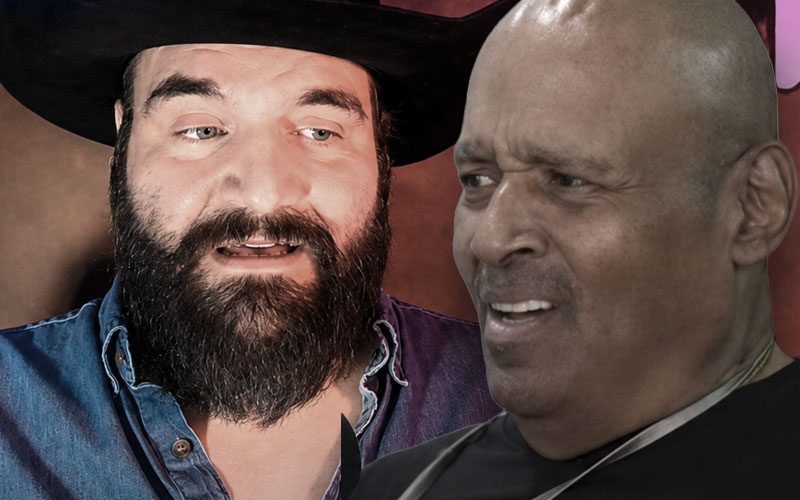
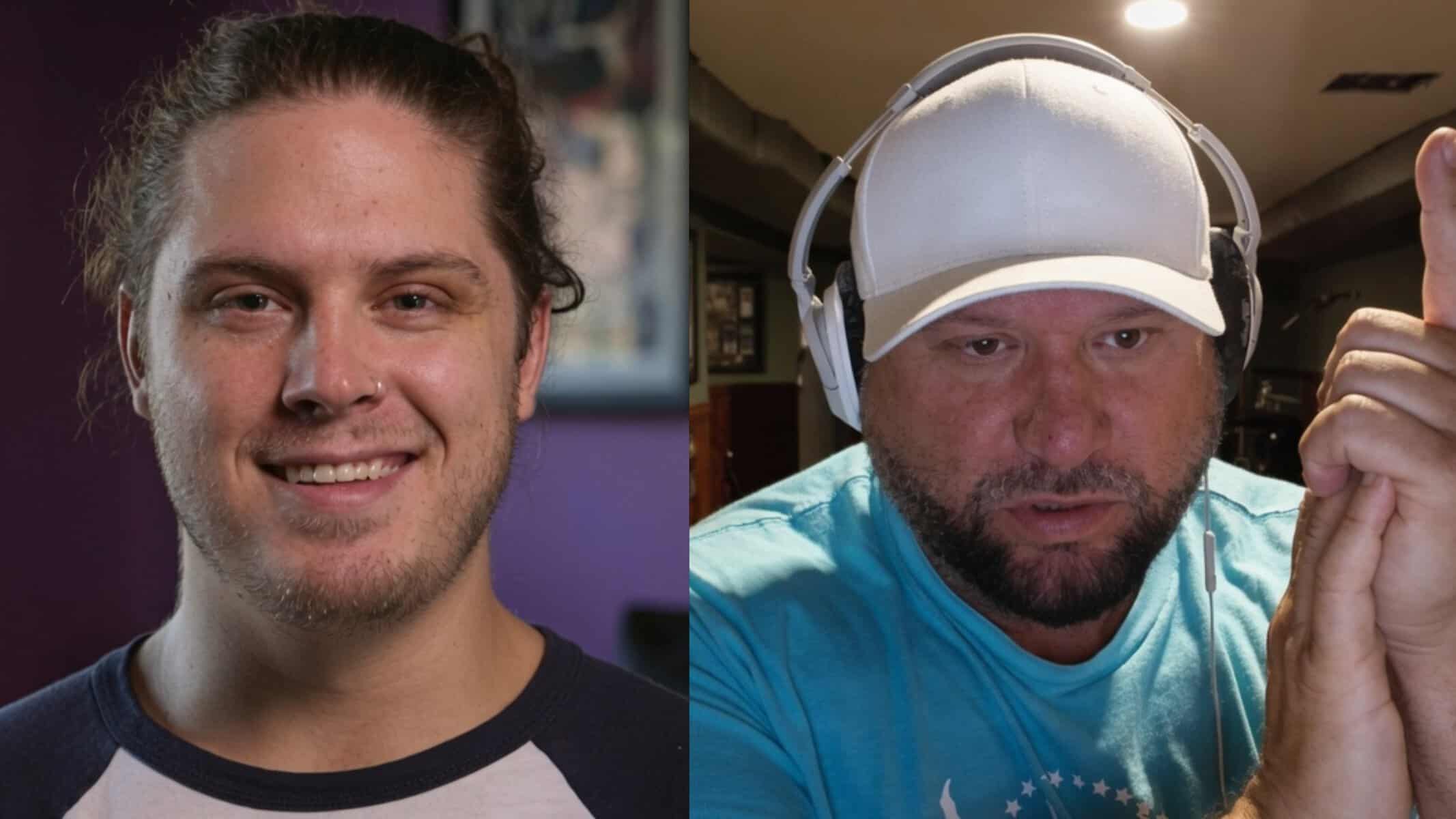
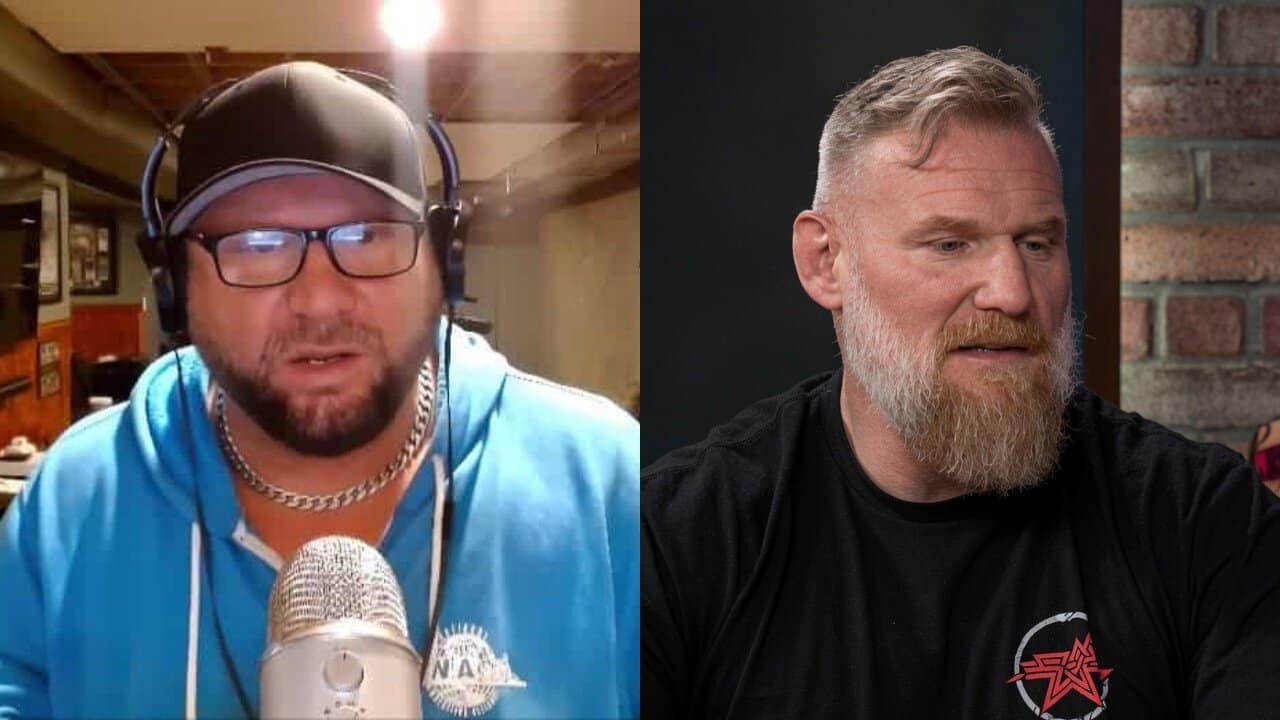
Independent wrestler Joey Janela is currently sidelined and receiving medical treatment following a recent flaming table spot that resulted in significant burn injuries. The incident has triggered a volatile public feud, with Janela explicitly blaming veteran performer Bully Ray for the execution of the maneuver and the subsequent aftermath.
According to reports, the spot was intended to be a high-impact conclusion to a match but deteriorated quickly upon impact. Janela has alleged that he was left without adequate support following the burns sustained, leading to his admission into a hospital burn unit.
Professional and personal fallout
This situation highlights the ongoing friction regarding safety protocols in extreme-style wrestling. Janela stated he was left effectively abandoned after the flames caused more damage than anticipated, raising questions about the preparedness of the event staff on-site to handle secondary pyrotechnics.
The criticism has expanded beyond the ring. Beyond the mechanical failure of the table spot, Janela has leveled interpersonal accusations against Bully Ray regarding personal conduct at Jersey Shore venues. The animosity has surpassed professional critique, with Janela publicly stating his intent to confront the veteran in person.
The history of table risks
Flaming table spots have long been a flashpoint for safety debates in professional wrestling. Historically, the margin for error is razor-thin; even with fire-retardant gel, secondary contact with molten materials often leads to third-degree burns. Similar incidents, such as those seen in various ECW-inspired promotions during the late 90s, often resulted in extended hiatuses for participants.
While performers often rely on pre-match testing, the intensity of fire-based spots makes them inherently unpredictable. Janela's situation mirrors previous industry controversies where veterans were accused of prioritizing spectacle over the long-term well-being of their opponents. The divide remains stark between those who view these risks as necessary for the genre and those who argue that 2026 standards require stricter liability.
Broader industry implications
The incident arrives at a time when major promotions like WWE are distancing themselves from this type of physical risk, focusing instead on mainstream viability as seen in recent Raw broadcast developments. The contrast between traditional wrestling showmanship and the underground extreme circuit is wider than ever.
Bully Ray has recently been vocal about proposing cross-promotional matches, including potential bouts involving The Hardy Boyz and The Street Profits. These creative pitches are now being scrutinized through the lens of recent safety failures. If high-profile veterans cannot ensure the safety of their contemporaries in smaller venues, the appetite for inter-promotional collaboration may face immense internal pushback.
- Injury status: Admitted to professional burn unit.
- Expected recovery: Timeline unknown, pending evaluation of skin graft requirements.
- Industry impact: Increased scrutiny on independent event safety standards.
The lack of clear communication from the event organizers remains a glaring oversight. While Janela continues his recovery, the wrestling community is once again forced to choose sides between the old guard's 'hardcore' mentality and the rise of risk-averse wrestling production. The legal and professional fallout from this event will likely impact booking policies for independent shows for the remainder of the year.