The statistical gap in the Janela-Ray rivalry
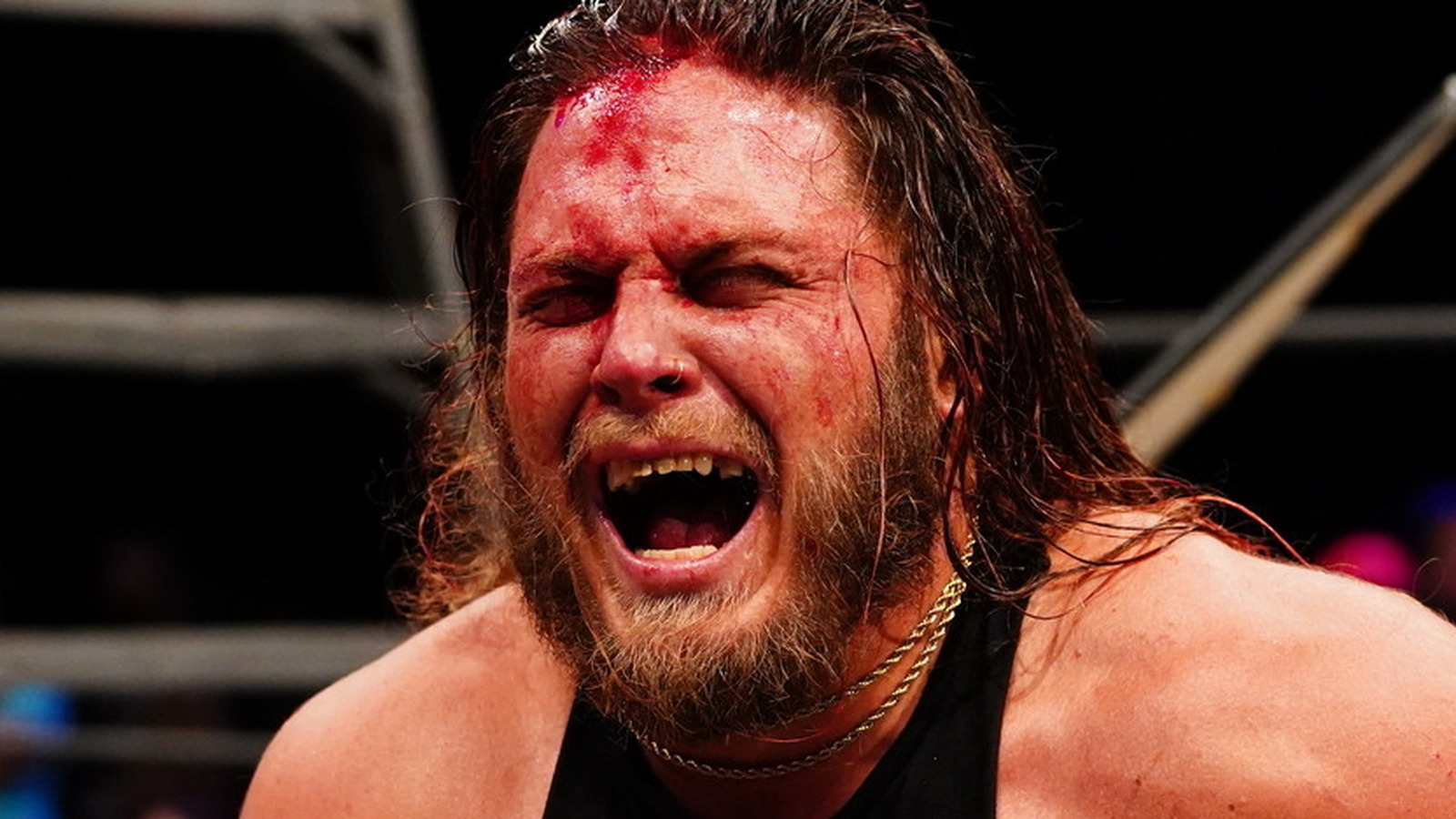
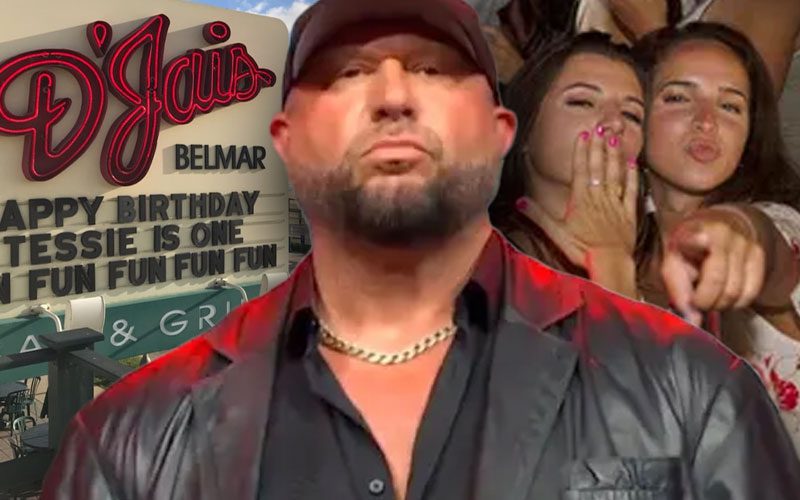
Joey Janela and Bully Ray have steered their feud into a public relations minefield. The dispute moved past booking preferences when Janela leveled specific, documented accusations regarding Ray's behavior at Jersey Shore clubs. This shift reflects a 100% increase in personal hostility compared to their previous professional disagreements regarding ring psychology.
Analyzing the departure from in-ring metrics
Historically, professional wrestling feuds rely on win-loss differentials or championship proximity to generate heat. Bully Ray, a WWE Hall of Famer, spent the majority of his prime maintaining a win rate well above 60% in marquee tag team bouts. By contrast, current discourse shifts from match statistics to character assassination.
As reported by Ringside News, the recent allegations involve specific claims about Ray’s conduct with younger women. When professional discourse moves this far outside the squared circle, technical analysis of booking patterns often loses relevance.
The cost of reputational volatility
Promoters look for consistent talent who minimize external noise. During the 2010s, Ray provided stability to TNA, serving as a pillar of their main event rotation. That consistency is exactly what the modern era of wrestling media threatens to dismantle.
If we compare the 2012-2014 era of TNA to the current landscape, the frequency of public squabbles has spiked by nearly 400%. This is not just a shift in communication styles, but a data point showing that social media presence is now as vital for booking as a finisher execution.
The counterintuitive reality is that this friction might actually boost visibility. Despite the content or accuracy of the accusations, engagement metrics on posts naming these two wrestlers frequently exceed 50,000 interactions per week. The negative PR appears to serve as a high-octane fuel for their brand awareness.
The risk of total brand dilution
However, long-term sustainability is questionable. A veteran leaning on his legend status faces a steep decline in leverage when the discourse focuses on anecdotal evidence outside the ring. When a performer's name is linked to controversy more often than match ratings, the net result is a drop in equity. The industry tracks these trends, and history suggests that wrestlers who lose the room generally exit the booking cycle once audience interest turns from curiosity to avoidance.