The transition from the squared circle to the big screen
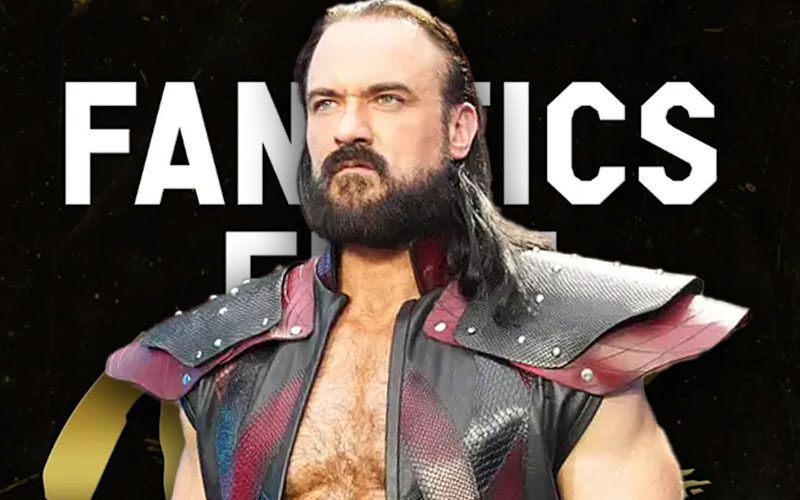
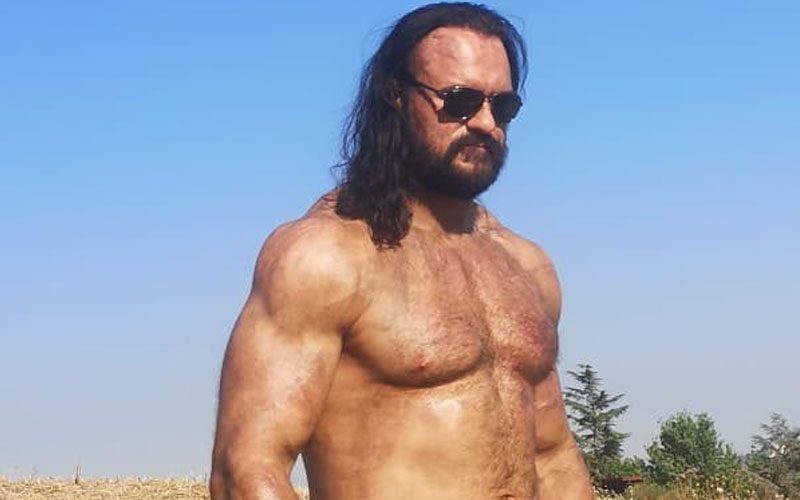
Drew McIntyre has finally pulled back the curtain on his current hiatus from WWE television. On July 25, the Scotsman shared the first professional look at his character for the upcoming feature film, The Last Druid. He is trading his wrestling trunks for heavy duty gear and a grim, battle-hardened aesthetic.
The images circulating online show a version of McIntyre that leans into raw, cinematic violence. He looks like a man who spent months in a weight room specifically for a camera lens rather than a match card. It serves as a visual confirmation that his absence from Raw or SmackDown is not a simple injury angle.
The cost of chasing leading man status
There is an undeniable frustration for the fanbase here. McIntyre remains one of the most reliable technicians on the roster, capable of delivering a 25-minute clinic on any given night. Seeing him trade a potential program for a movie shoot feels like a step backward for the product.
His absence creates a massive hole in the upper card. Look at how the ratings have fluctuated since his departure. Without his intensity, segments involving the top titles feel oddly hollow. The booking team is currently forced to lean on veterans who lack the same believable edge, resulting in matches that rarely cross the 15-minute mark with any real momentum.
Drew McIntyre just gave fans their first look at the character keeping him away from WWE television—and he looks ready for war.
The recent character reveal confirms he is fully committed to this project. While acting often provides a lucrative pivot for talent, it rarely improves the quality of the wrestling product itself. The promotion essentially lost its most consistent performer to a vanity project, at least for the time being.
The return window and the crowd reaction
The industry knows the drill by now. When the cameras stop rolling on the set, the transition back to the ring is rarely seamless. Ring rust is a genuine factor for anyone who spends three months doing choreography instead of grappling. If he returns to the ring before the end of the year, he will likely need a transition period on live events.
My prediction? Expect a lukewarm reception if he tries to slide back into a main event spot immediately. Wrestling fans reward consistency, and jumping ship during a critical fiscal quarter feels like a slight against the audience. He needs to earn back his spot through a brutal series of matches, not just a flashy return promo.
I expect the crowd to initially boo the return, sensing the Hollywood distraction. He will likely spend at least 90 days recalibrating his style to match the current roster pace. Unless he comes back with a heel run that attacks the very fans who felt abandoned, this career pivot will be remembered as a massive misstep in an otherwise stellar decade.