Cena trades the ring for the script again
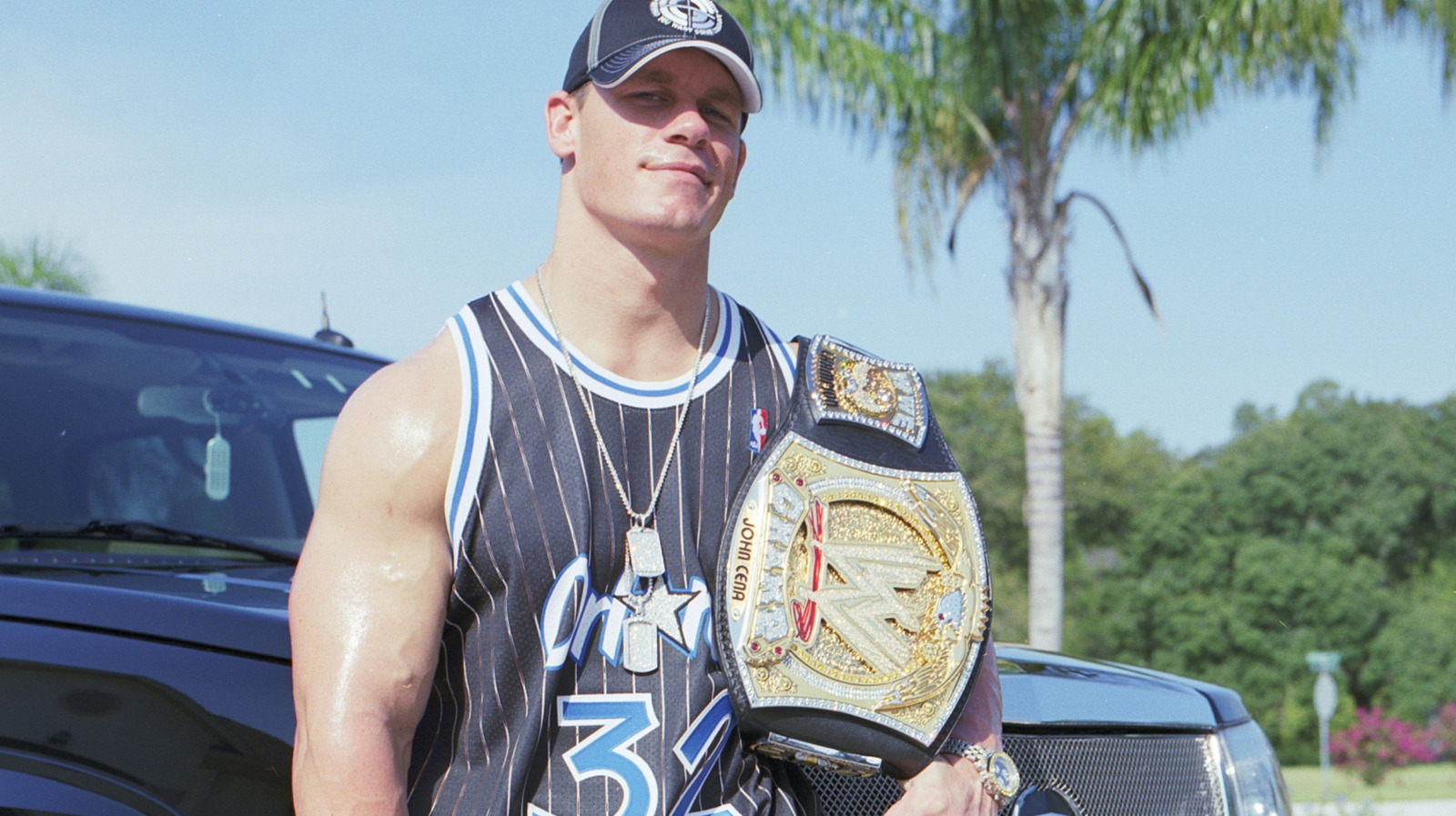
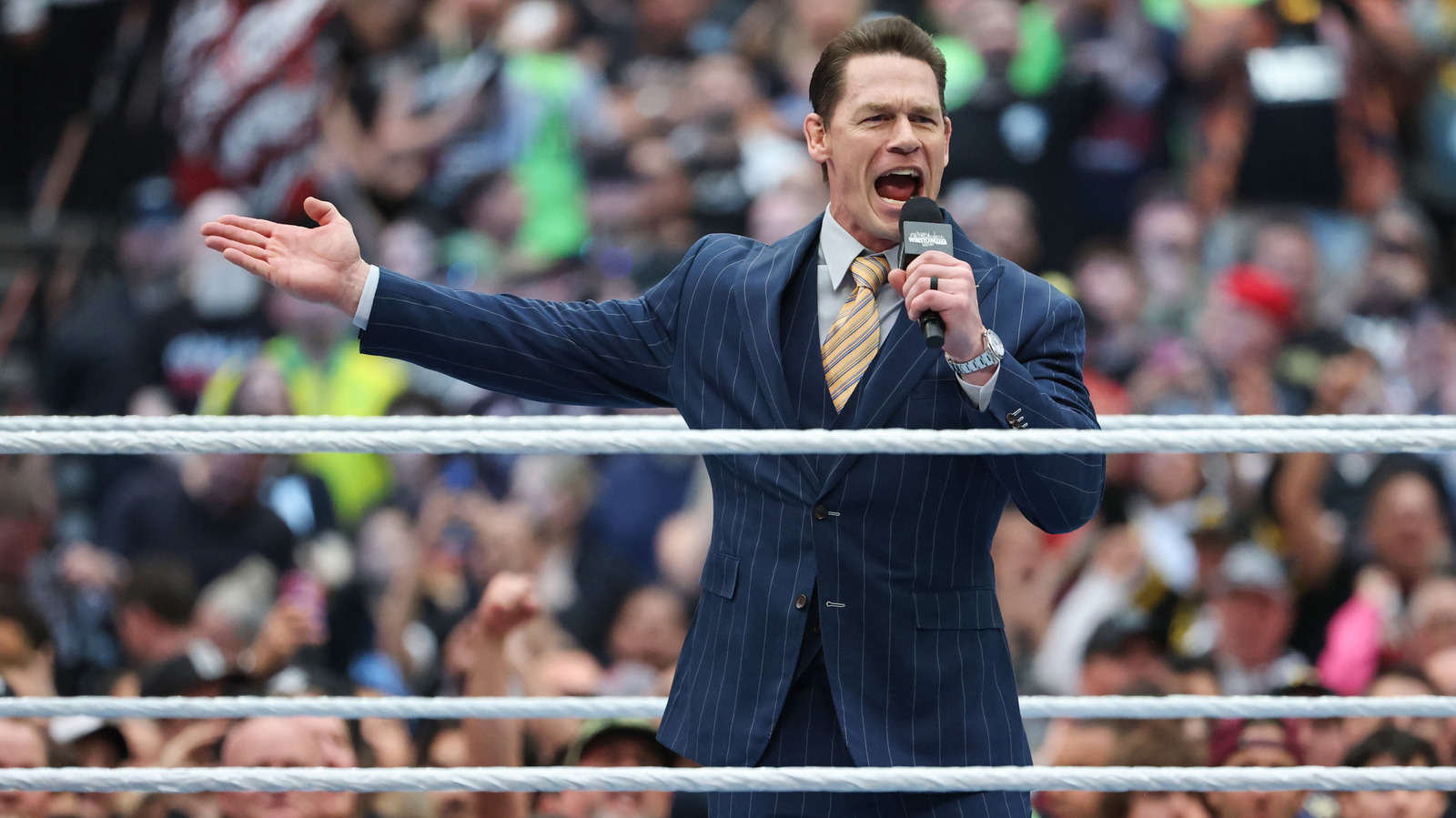
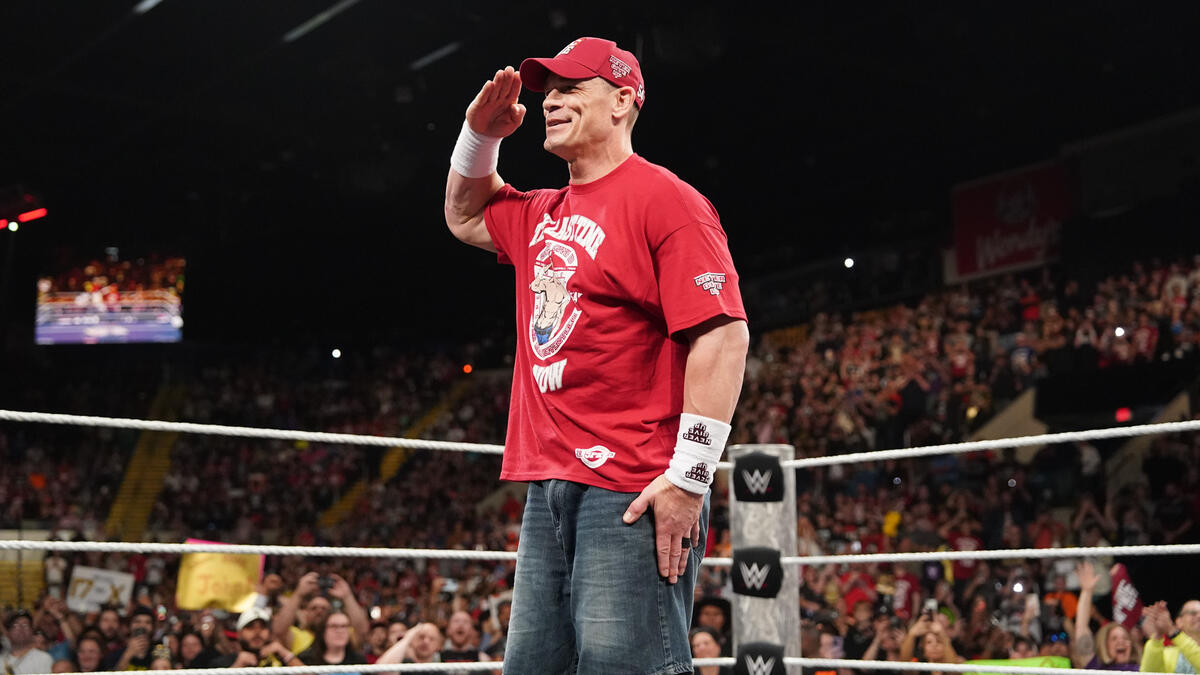
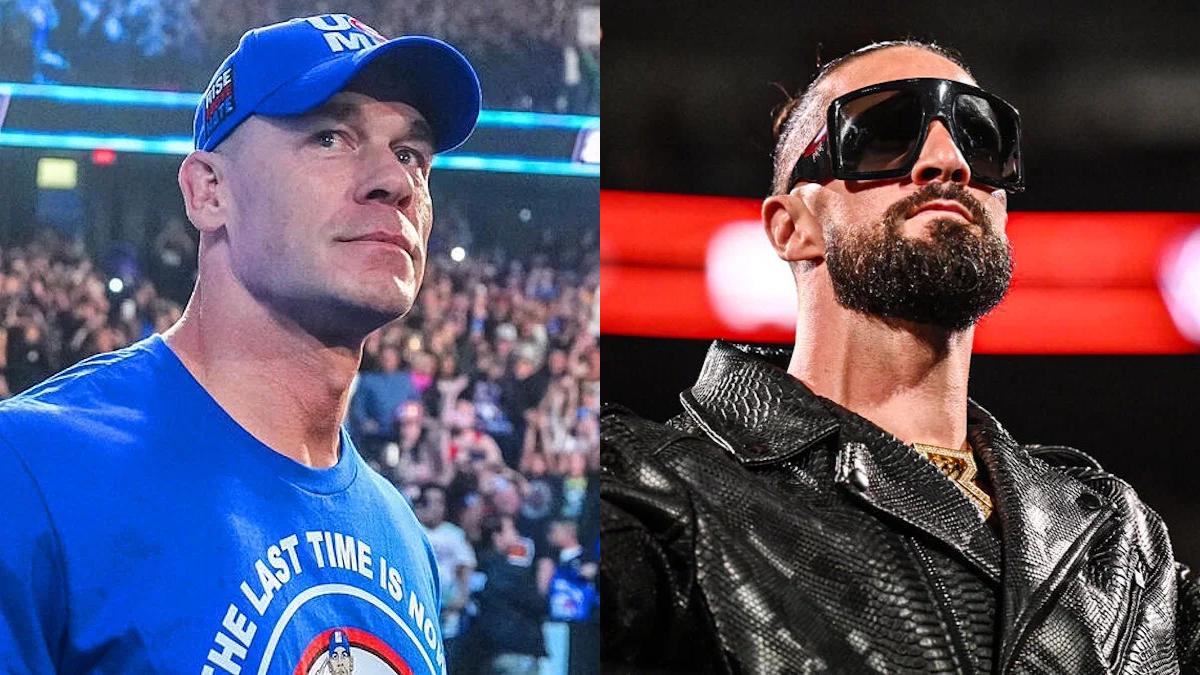
Hollywood continues to act as a gravitational pull that wrestling legends rarely escape. John Cena’s latest foray into comedy hits screens this week, marking yet another milestone in a post-full-time career that prioritizes soundstages over stiff collar-bone locks. The transition looks easy on paper, but the physical tax of maintaining a WWE-ready physique while navigating a grueling press tour is a balancing act only a few have managed.
We are watching a curious evolution. Cena is leaning into the cinematic rhythm, moving further away from the weekly bump card. While fans keep an eye on his sporadic return dates, the professional commitment to film sets is undeniable. It shifts the entire dynamic of how we view his longevity.
The McIntyre and Priest problem
Drew McIntyre is not sitting around waiting for his phone to ring, either. He has secured another screen role, mirroring the path carved by his predecessors. It highlights a recurring issue for current creative booking: how do you build a main event around performers who are increasingly tethered to external production schedules?
The scheduling complexity is showing in the ring. Matches involving talent with split focuses often feel like they are missing a beat, lacking the sustained intensity seen in the mid-2000s era. When performers are flying in for television tapings between long shooting days, the conditioning takes a hit. Watching PWInsider reports on these projects, it is clear that management is banking on the star power of movies to boost the product, but the trade-off in in-ring sharpness remains a blind spot.
Rising talent vs. veteran absence
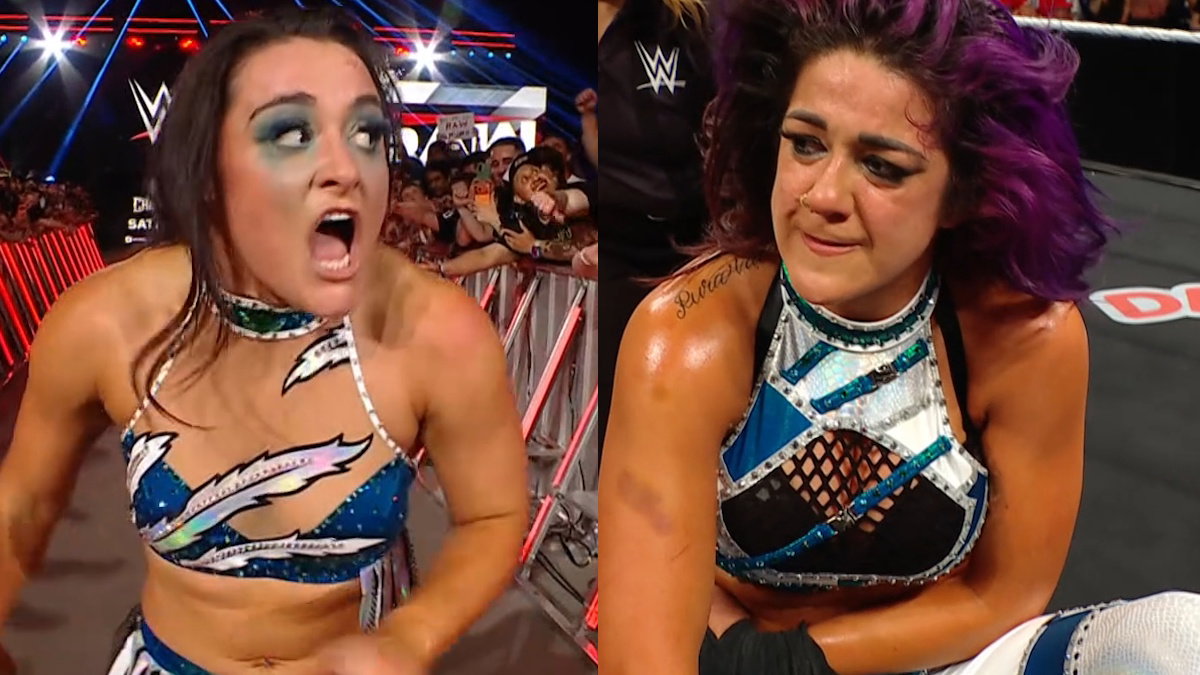
Sol Ruca and Damian Priest are currently carrying the heavy lifting of the weekly grind. Ruca has been showing flashes of genuine innovation, but without the consistent veterans to work programs against, her ceiling is being artificially lowered. Priest remains one of the few high-card acts actually interested in wrestling a 52-week schedule.
The lack of stable main-event programs is the biggest critique of the current product. When stars come and go based on production deadlines, the audience investment cools down. It forces a reliance on nostalgia or quick, punchy angles that lack the slow-burn payoff of a classic twelve-month feud. I expect the upcoming weeks to feel disjointed until these film commitments wrap up.
The verdict moves to the ring
My prediction is simple. Until the company stops treating television tapings as a stopover for actors, the quality of television main events will continue to fluctuate. If Damian Priest gets a clean win during the current cycle, it will signal a genuine commitment to the internal roster over the guest star appeal of movie trailers. If he loses to a part-timer, expect the fan sentiment to turn sour fast.