The high cost of a high-stakes stipulation
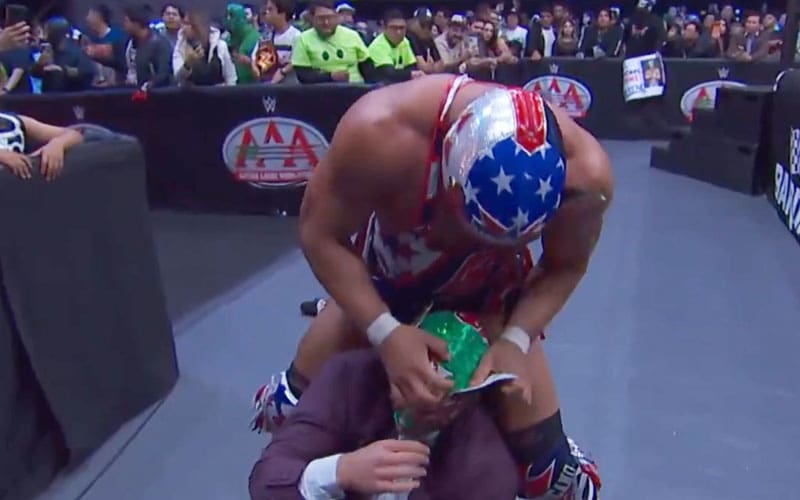
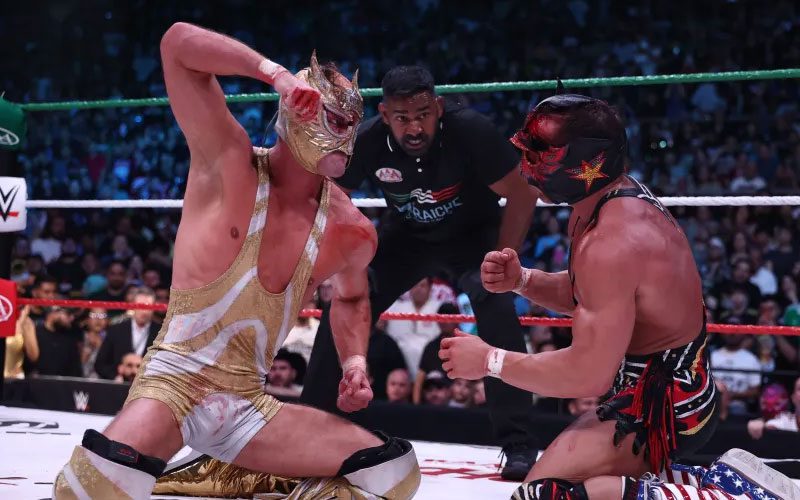
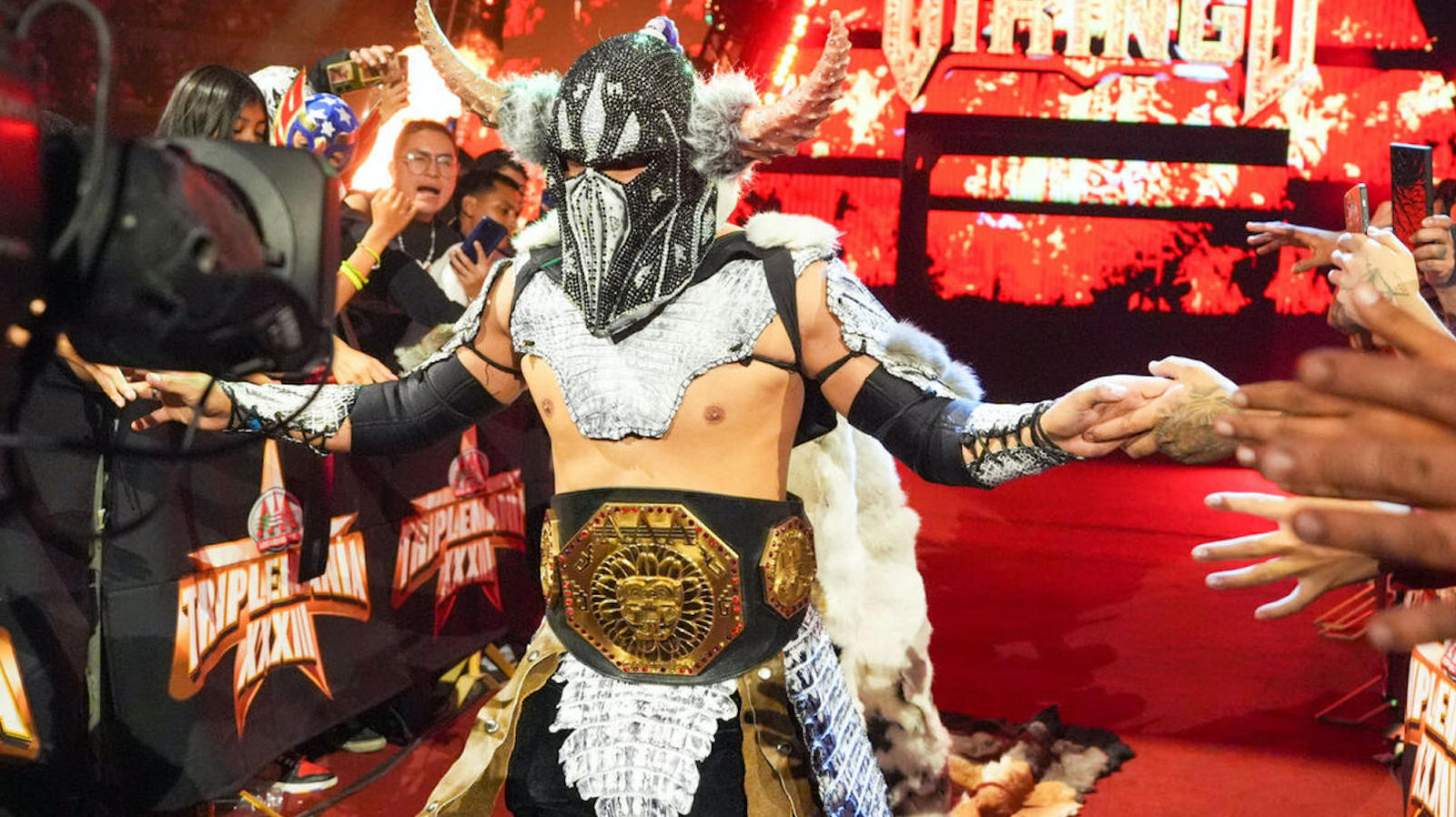
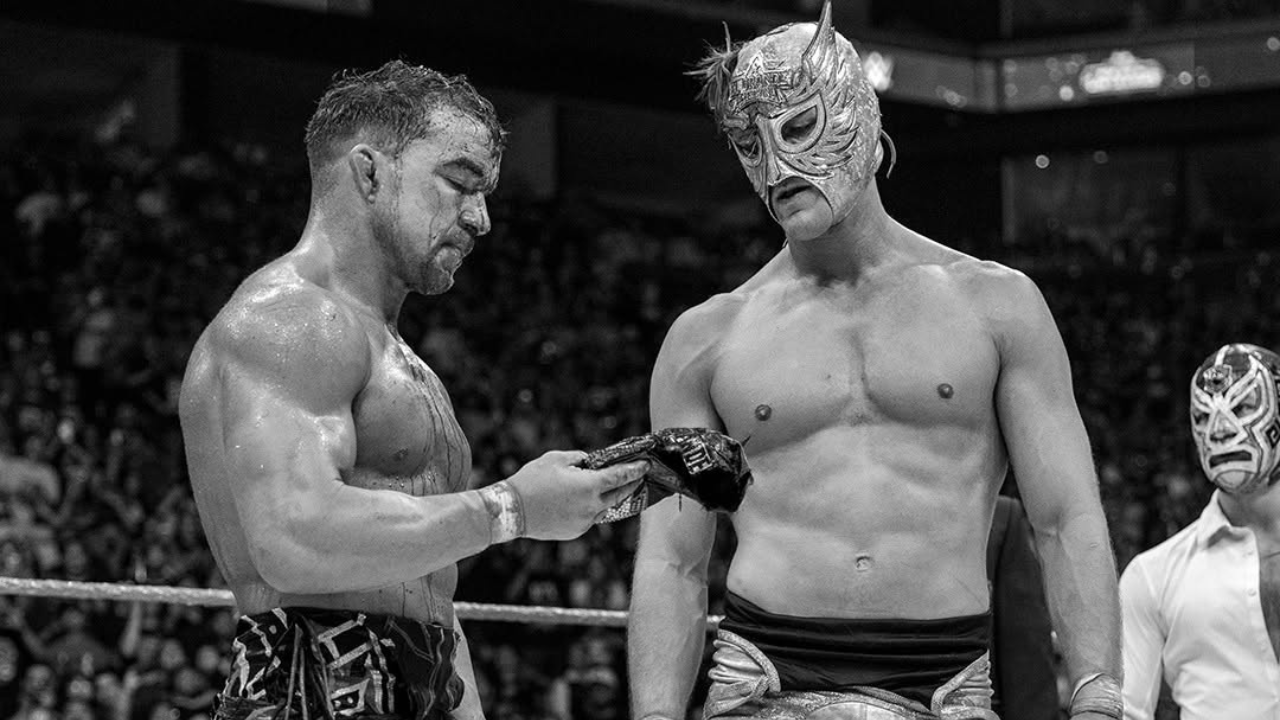
El Grande Americano is officially on the shelf following the conclusion of his mask versus mask clash. While the spectacle captured the attention of the industry as recent coverage noted, the physical toll has proven to be the headline concern for the medical staff. The veteran performer sustained a Grade 2 MCL tear alongside a concussion during the closing sequence of the bout.
The recovery timeline is currently set at 8 to 12 weeks for a return to in-ring competition. This removes a centerpiece performer from the road to the summer premium live events, creating a logistical headache for creative teams trying to pivot. The injury leaves a significant gap in the mid-card talent pool.
Creative pivots and the Road Dogg factor
The timing of this injury forces a hard reset on existing angles. Without an active mask-wearing centerpiece, the booking team faces a decision: do they stall the momentum or elevate a secondary program to fill the void? There is a school of thought within the locker room that emphasizes structure during these lulls.
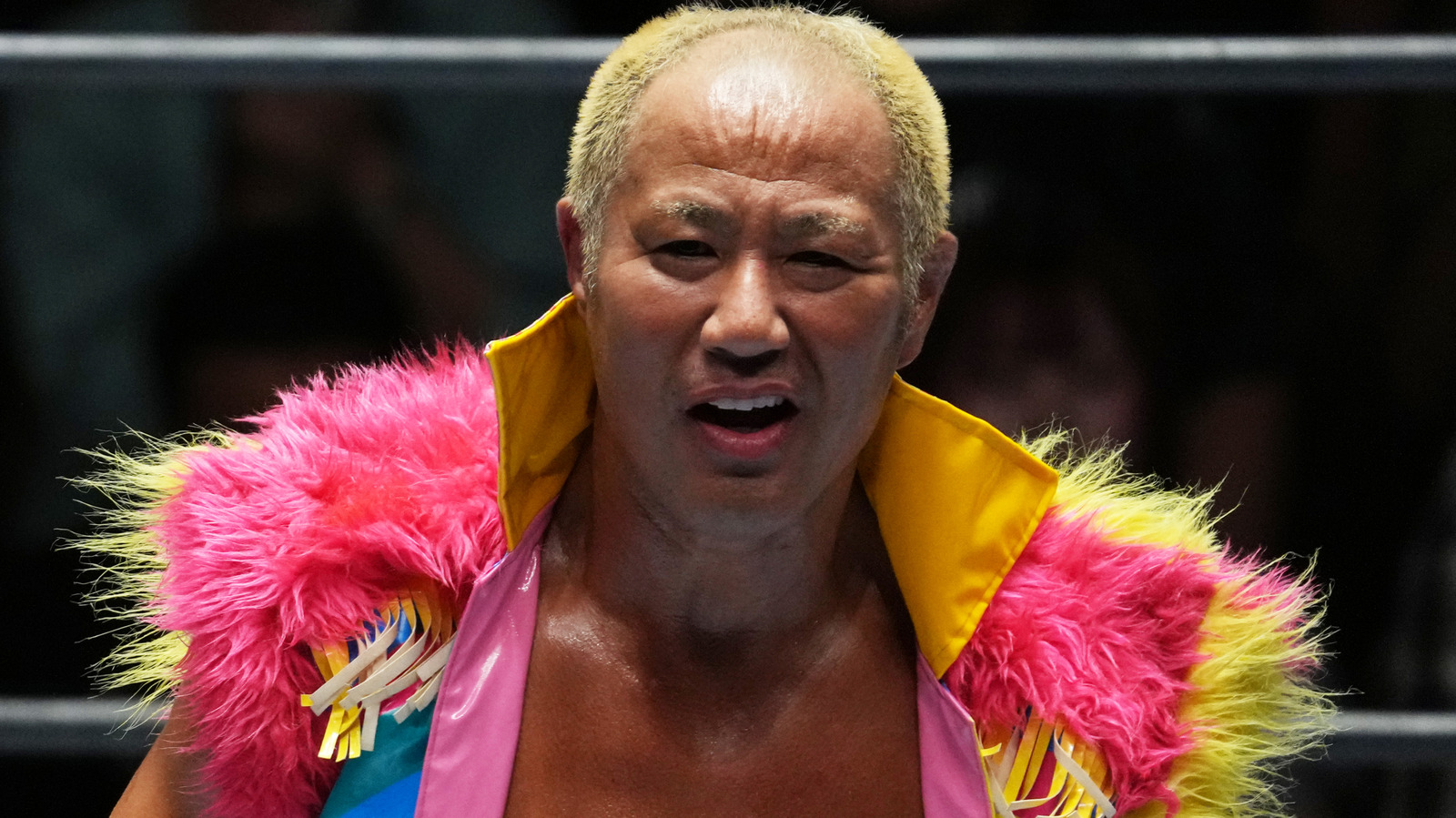
Brian “Road Dogg” James remains a central figure in the creative room, with peers often citing him as having one of the sharper minds currently managing talent, as reported by Wrestling Inc. Relying on his experience to re-position performers during this hiatus is a logical move. Expect heavy reliance on promo-driven segments to maintain heat while the physical wrestling remains capped by injury.
The visual record of the damage
Detailed footage of the match, including the moments leading up to the trauma, has been widely circulated via archives at PWInsider. Reviewing the tape reveals a pivot point in the final five minutes where the knee hyper-extended during a scramble. The severity of the turn could have been mitigated with cleaner ring positioning during the transition, highlighting a point of frustration for trainers monitoring the match.
It is worth noting that the reliance on high-speed, high-stakes stipulations has consistently resulted in increased sideline times for the top roster. When you book a mask versus mask match, the intensity increases exponentially, and performers often ignore tactical safety in favor of the emotional finish. This is not the first time a performer has taken a month-long exit following such a high-intensity stipulation, and it likely won't be the last.
Critics point to the booking decision itself as a primary culprit for the current state of the card. When you strip a veteran of their defining on-screen asset, you force them into a reset phase where the character work has to outpace the physical performance. With the injury occurring, that reset is now delayed, effectively dead-ending the angle until the medical staff clears a return. The company is missing a chance to build secondary stars while he recovers, leaving the mid-level slots feeling uninspired and dangerously stagnant through June.
As the company prepares for the influx of global attention in the coming weeks, having a key performer sidelined is a strategic failure. Management will need to lean on the existing depth chart to cover 10 to 15 matches that were implicitly built around his presence. Relying on a single performer to carry the weekly television narrative proved to be a single point of failure in their scheduling. The absence of depth is the main story here, and it will be visible to fans every Monday and Friday until the clearance is finalized.