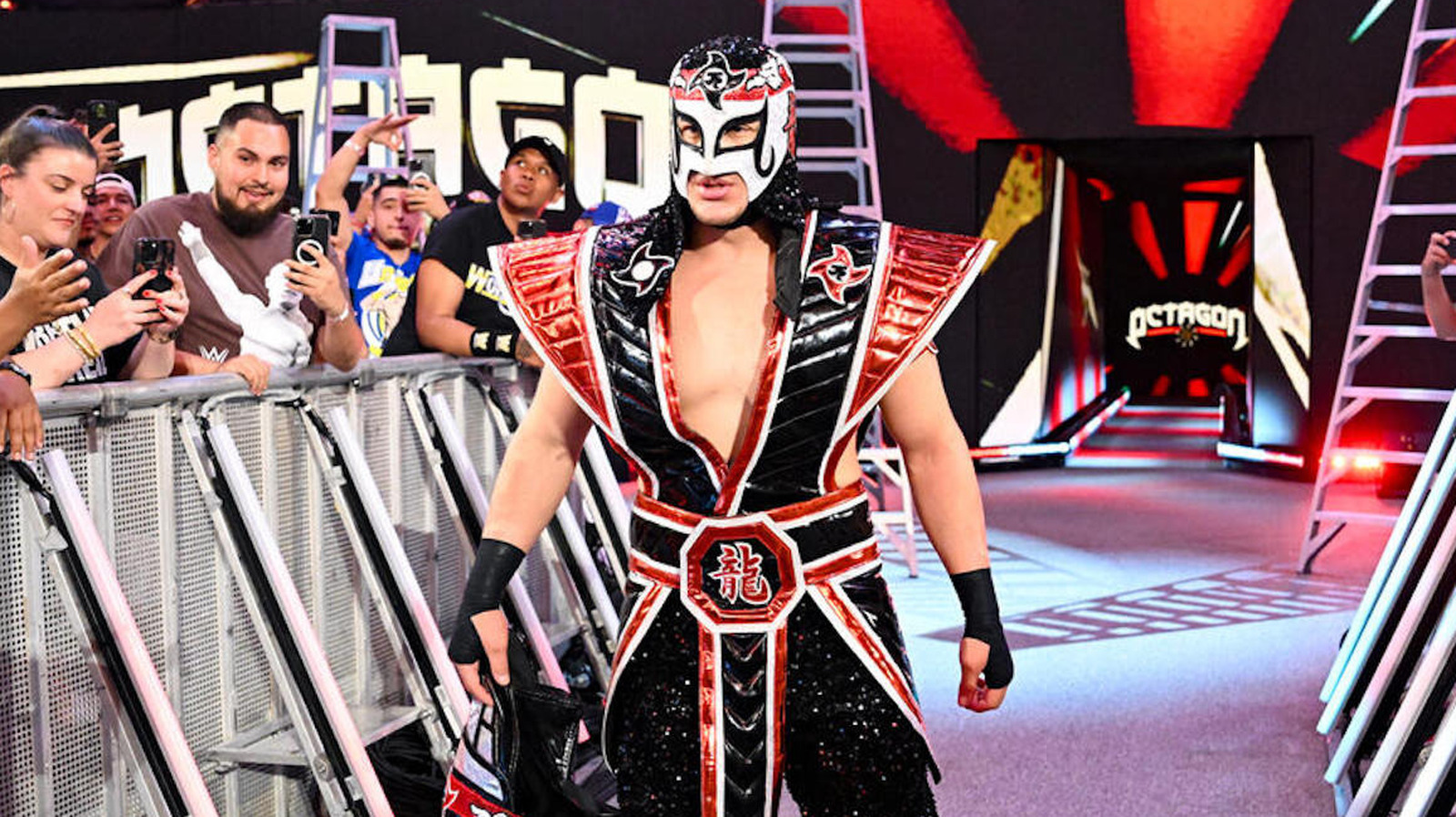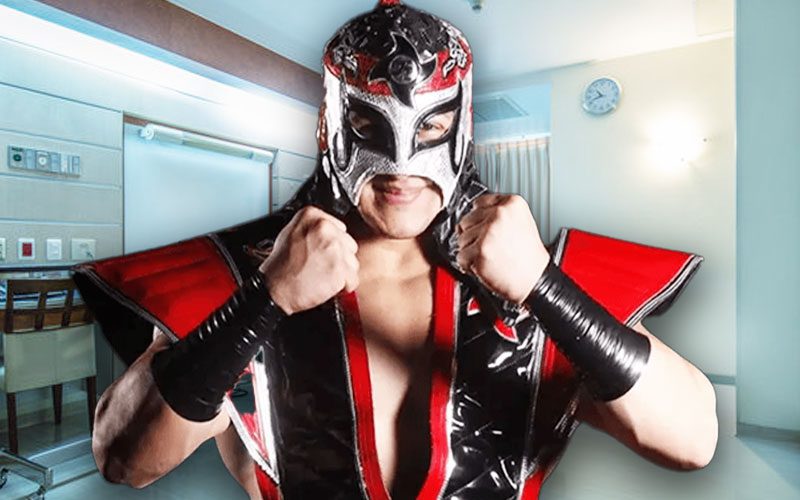
Octagon Jr sidelined following high-stakes multi-man bout
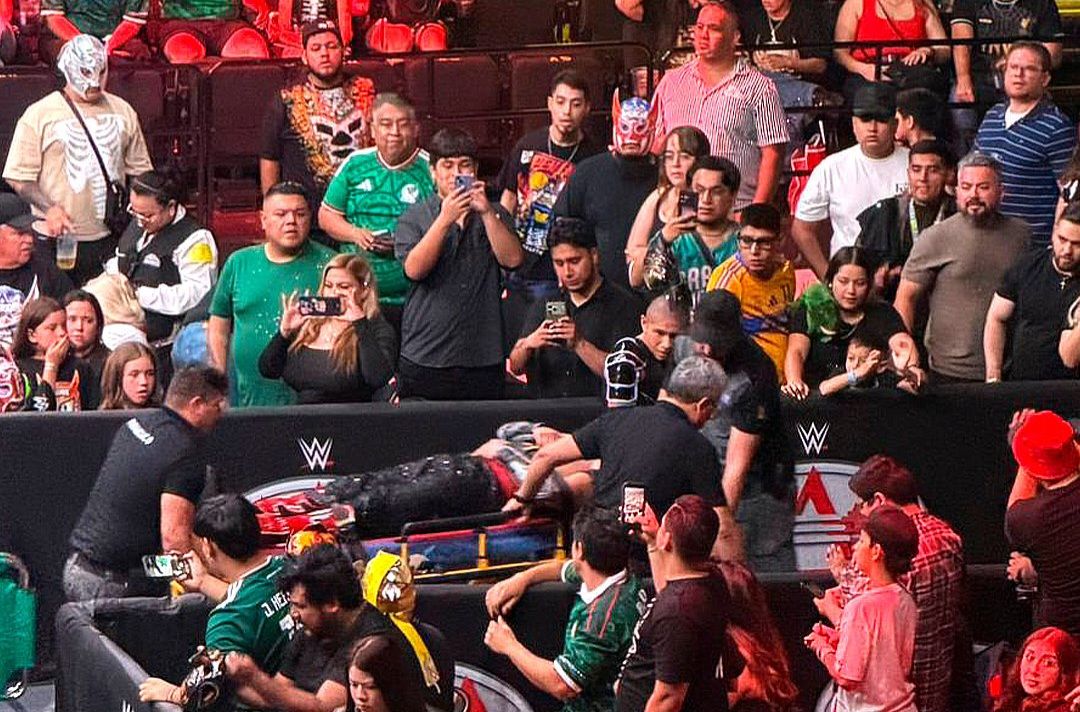
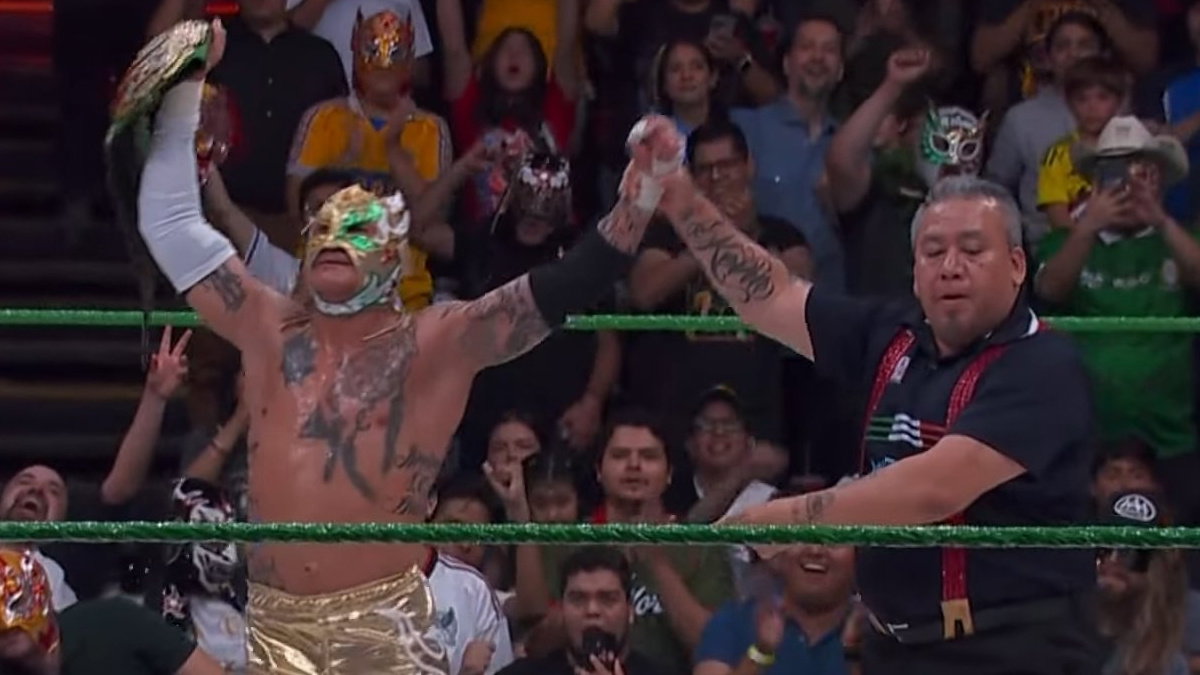
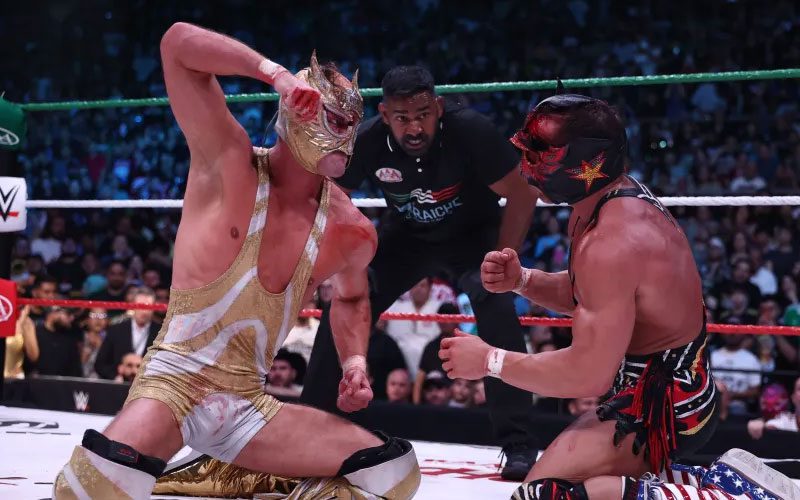
Octagon Jr is currently facing a recovery timeline following a significant injury sustained during the WWE AAA Noche De Los Grandes event. The high-flyer was involved in a chaotic five-way match, a format notoriously difficult for maintaining performer safety under extreme pressure. The injury occurred during a transition that left the international star unable to complete the contest.
Official channels have confirmed the injury but remain vague on the specific nature of the damage. Sources indicate that protocols were triggered immediately after the spot sequence derailed. Unlike standard television tapings, these cross-promotional events often push the roster into faster paces, increasing the physical cost of technical maneuvers.
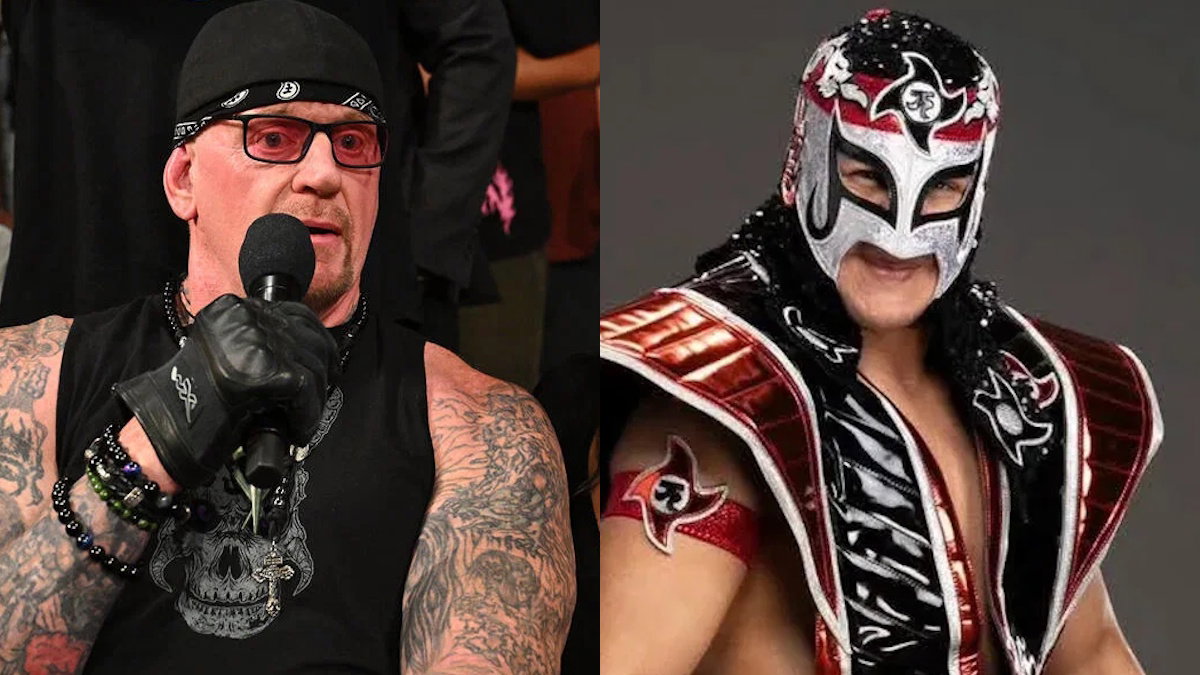
The Undertaker addresses the locker room
The impact of this injury has resonated throughout the industry, drawing a public reaction from The Undertaker. The legend reached out via social media, stating:
We know you’ll be back better than ever.The message serves as a reminder of the inherent volatility in high-stakes Lucha Libre-style matches.
This is not the first time a performer has faced a major setback in a crossover environment. History shows that when different styles collide, timing sequences can break, leading to catastrophic physical outcomes. The lack of familiarity between competitors in a five-way setting often creates unpredictable variables that even veteran personnel cannot mitigate.
Strategic implications for upcoming cards
The absence of Octagon Jr creates an immediate hole in upcoming event bookings. His style is a cornerstone for the promotion's attempt to bridge audiences between diverse wrestling fanbases. Losing a featured talent during a peak performance window puts pressure on the creative team to pivot, likely disrupting feuds designed to build towards the mid-year pay-per-view cycle.
Management now faces scrutiny regarding the intensity of these collaborative cards. Critics argue that the current pace of these high-frequency matches provides too little room for error. When wrestlers are forced to execute high-risk aerial spots without consistent training partners, the likelihood of a 6-to-9 month recovery timeline becomes a tangible risk.
Comparing historical injury cycles
Analyzing the physical toll of these events, we see a pattern of fatigue-based miscues. In previous iterations of cross-branded supercards, performers reported that the transition from a traditional ring setup to a modified promotional layout contributed to lower-body stability issues. The injury at Noche De Los Grandes falls squarely within that high-risk category.
Furthermore, the pressure on medical staff is intensifying. With the FIFA World Cup 2026 starting in just 2 days, the focus of global sports media is shifting rapidly. Any additional delays in talent availability will force the promotion to rely on emergency call-ups from the performance center. This decision often leads to rushed pushes that can derail a developing wrestling character before they reach their peak.
There is a recurring issue with how these matches are structured. While the crowd demands high-octane sequences, the lack of defined psychology in a five-way match often turns the ring into a frantic scramble. It remains the most dangerous spot for any wrestler who relies on quick-twitch agility. The industry must decide if the box-office appeal of these matches is worth the long-term cost to the roster's overall fitness.
Fans should look for official statements in the coming days regarding a specific return date. Until then, the focus remains on the rehabilitation process. The burden of this injury is shared by the performer and the booking committee, both of whom now must navigate the fallout of a match that turned, far too quickly, from a marquee main event into a cautionary tale about in-ring velocity.