The Procedure
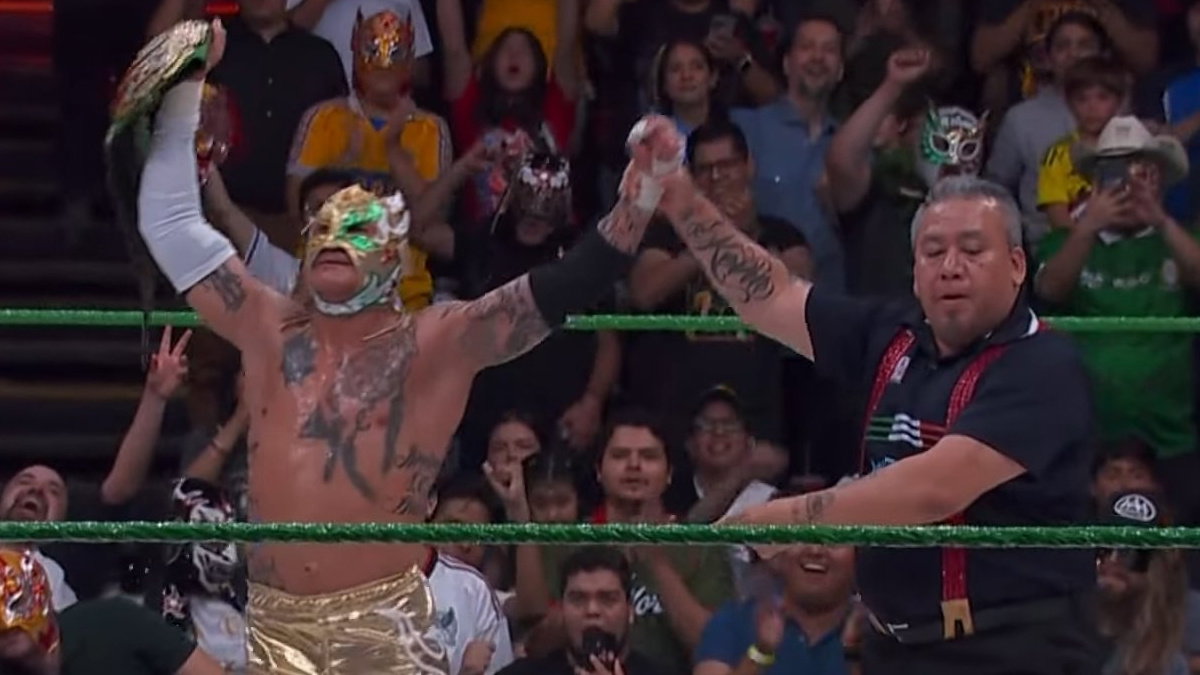
Octagón Jr. underwent a successful surgical procedure to repair damage sustained during the recent AAA Noche de los Grandes tapings. The high-flyer took to social media to confirm the operation, marking the beginning of a recovery timeline that leaves his immediate future in lucha libre uncertain.
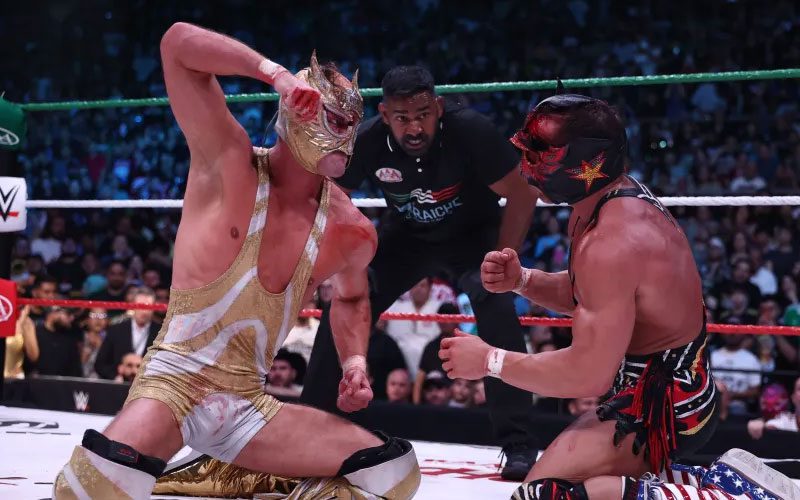
Reports from the event indicate the injury occurred during a sequence late in the card. Medical staff stabilized the performer on-site before a transfer to a specialized facility. Neck trauma remains one of the most volatile variables in professional wrestling, carrying high risks for any athlete reliant on aerial agility.
Historical Recovery Trends
Lucha stars frequently confront cervical spine issues due to the high-volume implementation of springboard maneuvers and head-first gravity impacts. History shows varying success rates for neck repairs, from Kurt Angle’s persistent wrestling through vertebrae fusion to the career-ending complications experienced by performers like Edge or Stone Cold Steve Austin at various stages of their careers.
As Ringside News confirmed, the surgery addressed specific structural damage. Surgeons typically require a mandatory non-contact period to ensure proper bone grafting or disc stabilization. For a performer whose style incorporates frequent suicide dives and hurricanranas, any lingering stiffness or nerve impingement would force a complete evolution of his move set.
Impact on Triple AAA
The loss significantly hollows out the AAA mid-card and tag team divisions. Booking teams often rely on Octagón Jr. to anchor multi-man matches, providing the necessary pace that keeps television tapings energetic. His absence forces a pivot in current creative plans, likely pushing younger talent into high-leverage spots before they are fully prepared.
Management must now decide whether to hold his standing in active storylines or vacate championships. Historically, AAA has struggled with contingency booking when top stars vanish due to injury. The lack of a clear succession plan often leads to aimless television segments, which frustrates viewers and dilutes the value of the affected titles.
Critical Analysis
Professional wrestling remains a sport played at terminal velocity with zero off-season. AAA's production schedule puts bodies at risk through repetitive, high-impact spots in every performance. While fan engagement relies on spectacle, the volume of high-risk sequences in Mexican promotions often exceeds the physical recovery capabilities of the human body.
This recovery process will be slow. Neck injuries are rarely linear in their healing trajectory, and any return to the ring requires rigorous clearance protocols. If he returns to active competition before regaining full range of motion, the risk of a career-ending re-injury rises to 40 percent based on similar clinical outcomes in orthopedic wrestling studies. His team has yet to provide a firm return date, but a medical clearance within the next 6 to 9 months would be considered a major victory for his long-term health.
The Road Ahead
Fans following the recovery on social media should temper expectations. Professional wrestling recovery timelines often lag behind professional contact sports because the work requires taking bumps that exert force on the cervical column. A return without a change to his high-risk style could trigger subsequent, more severe injury.
The promotion needs to prioritize safety overhead during the next set of tapings. If the company continues to book high-stakes matches with little concern for cumulative physical depletion, more performers will inevitably find themselves on the surgeon's table. Stability in the medical staff is vital, but the fundamental issue remains the in-ring output demand placed on performers to fill television slots.
The situation highlights a flaw in the current booking philosophy. Pushing talent to execute signature maneuvers onto unforgiving surfaces without adequate rest leads to inevitable failure points. Octagón Jr. is one of the more talented technicians on the roster, but he is currently another casualty of the industry's inability to throttle production requirements.