Greg Valentine deserves better than his own memory
The Hammer falls, mostly on himself
Greg Valentine has never been one to prioritize nuance. His in-ring style was built on the premise that a shin-breaker followed by a figure-four leglock was the most efficient way to retire a fellow professional. Reading his newly released autobiography, it becomes clear that his editorial process mirrored his wrestling philosophy: blunt, physical, and utterly devoid of self-editing.
The book functions as a catalogue of grievances rather than a rigorous historical account of the 1980s territory wars. Valentine seems trapped in a version of the industry that ceased to exist when the WWF began its national expansion. He spends pages fixating on opponents who failed to protect him, while curiously glossing over the massive shifts in psychology that rendered his style an outlier by the early 1990s.
The technical blind spot
In wrestling, the most effective workers are those who understand they are part of a narrative engine. Valentine treats every match as an isolated combat sport event. While modern commentators laud his 1983 encounter against Roddy Piper for its brutality, the book fails to address the lack of long-term planning behind his mid-card run. He remains convinced that volume of work equates to legacy.
There is a glaring omission regarding his 1985 Intercontinental title reign. He clocked 285 days with that gold, yet he treats it as a footnote compared to his earlier NWA work. He misses the point entirely. That specific run featured some of the most consistent technical wrestling on television, yet he manages to drain the excitement out of it by focusing on backstage catering complaints and travel logistics.
Missing the forest for the shins
Critical analysis requires an ability to detach from the ego. Valentine is incapable of this. He writes about the transition from territory royalty to WWF utility player as if it were a slight against his character, rather than the inevitable outcome of a rapidly consolidating market. Much like the recent release of his memoir suggests, the man is still throwing worked punches at ghosts from four decades ago.
He spends far too long justifying his refusal to change his aesthetic for the colorful era of the mid-80s. While peers like Randy Savage were evolving their personas to match the cartoonish, high-production demands of the booming cable market, Valentine clung to his plain black trunks and monotone promos. He frames this as keeping it real, but a dispassionate look at the ratings reveals it as a failure to adapt to the changing architecture of modern television.
Final bell on the narrative
Even the greatest technical workers have blind spots. Valentine’s inability to acknowledge the brilliance of his rivals’ work is the book’s biggest flaw. You cannot talk about the greatness of the figure-four without talking about the guys who sold it to oblivion.
By failing to credit his dance partners, he diminishes his own standing. It is a lonely way to write a life story. He ends up with a volume that serves as a souvenir for late-90s diehards but adds nothing to the actual history of the sport. The Hammer hit his mark on the mat for years, but he missed the target with this manuscript.
Mattel WWE Championship Belt
Feel like a champion with this authentic-looking WWE title belt.
Frequently Asked Questions
What is the primary focus of Greg Valentine's autobiography?
How does Valentine view his in-ring wrestling style?
Why did Valentine struggle to adapt during the WWF national expansion?
What major title reign does Valentine dismiss in his memoir?
What is considered the biggest flaw in Valentine’s book?
More Coverage
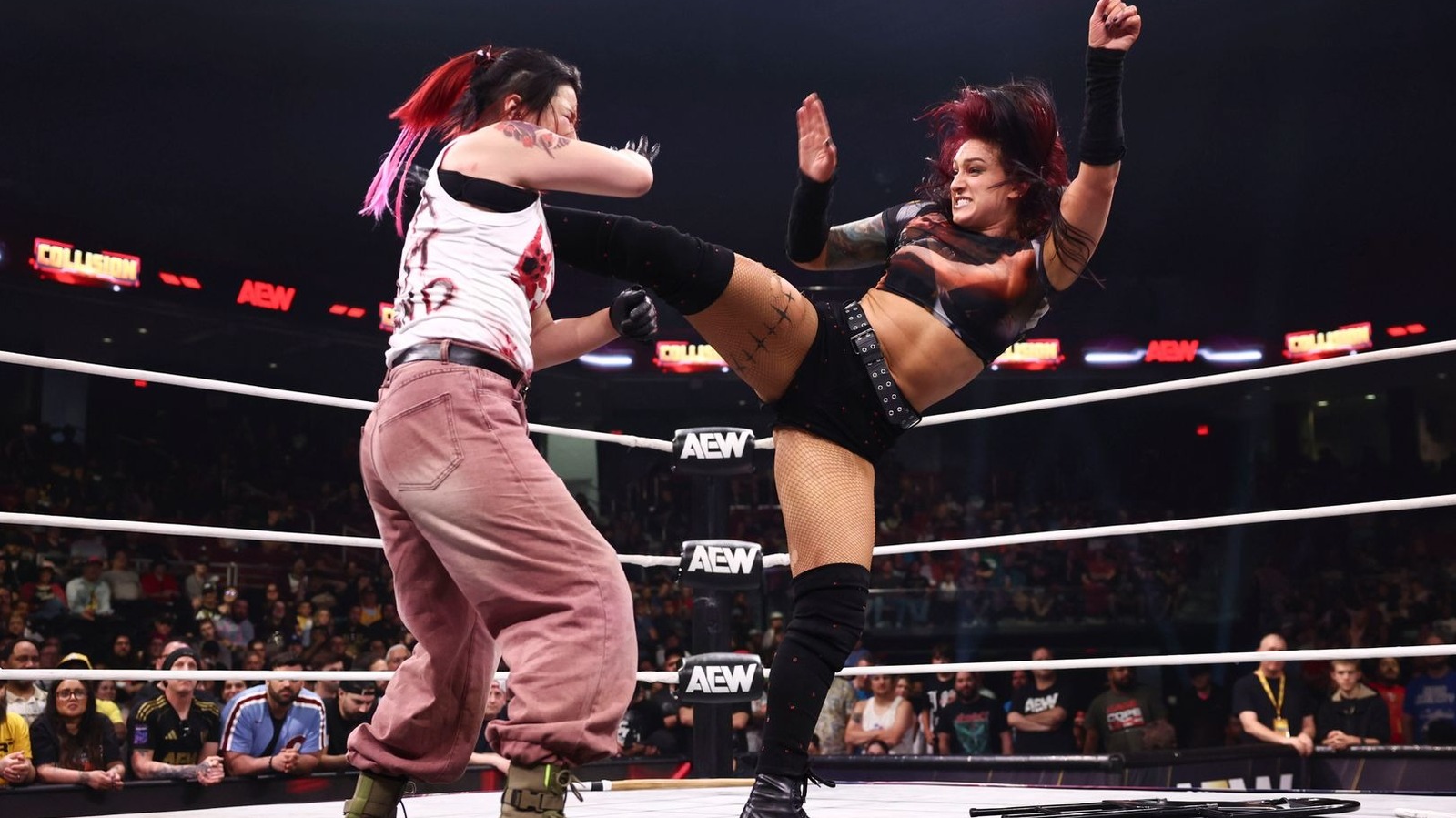
Top 10: AEW Developments Mid-2026
11 hours agoThe ugly charm of CZW deathmatches moving to streaming
13 hours ago
Top 10: Defining Wrestling Moments of Mid-2026
13 hours ago
WWE departures and the math behind the roster churn
15 hours ago
Deonna Purrazzo and the ugly side of fan interaction
17 hours ago
Why the industry is fixated on the Brian Pillman playbook
19 hours agoMore Analysis
Top 10: The Definitive Dusty Rhodes Moments
2 hours ago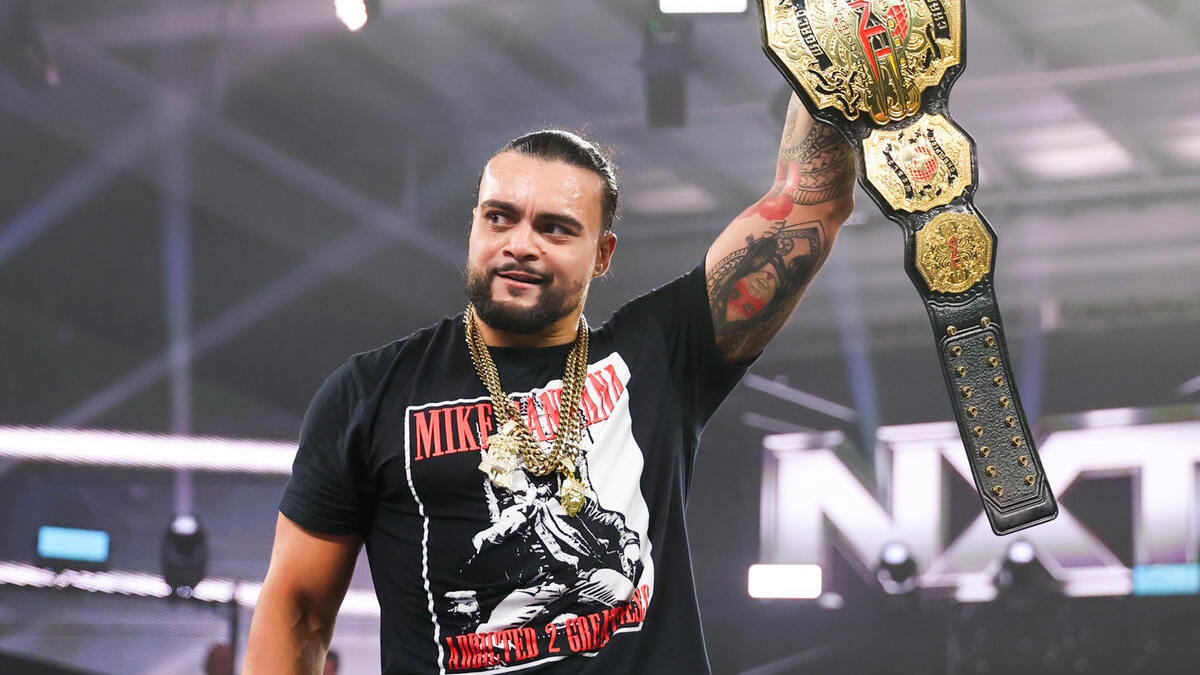
Mike Santana is hitting free agency at exactly the right time
2 hours ago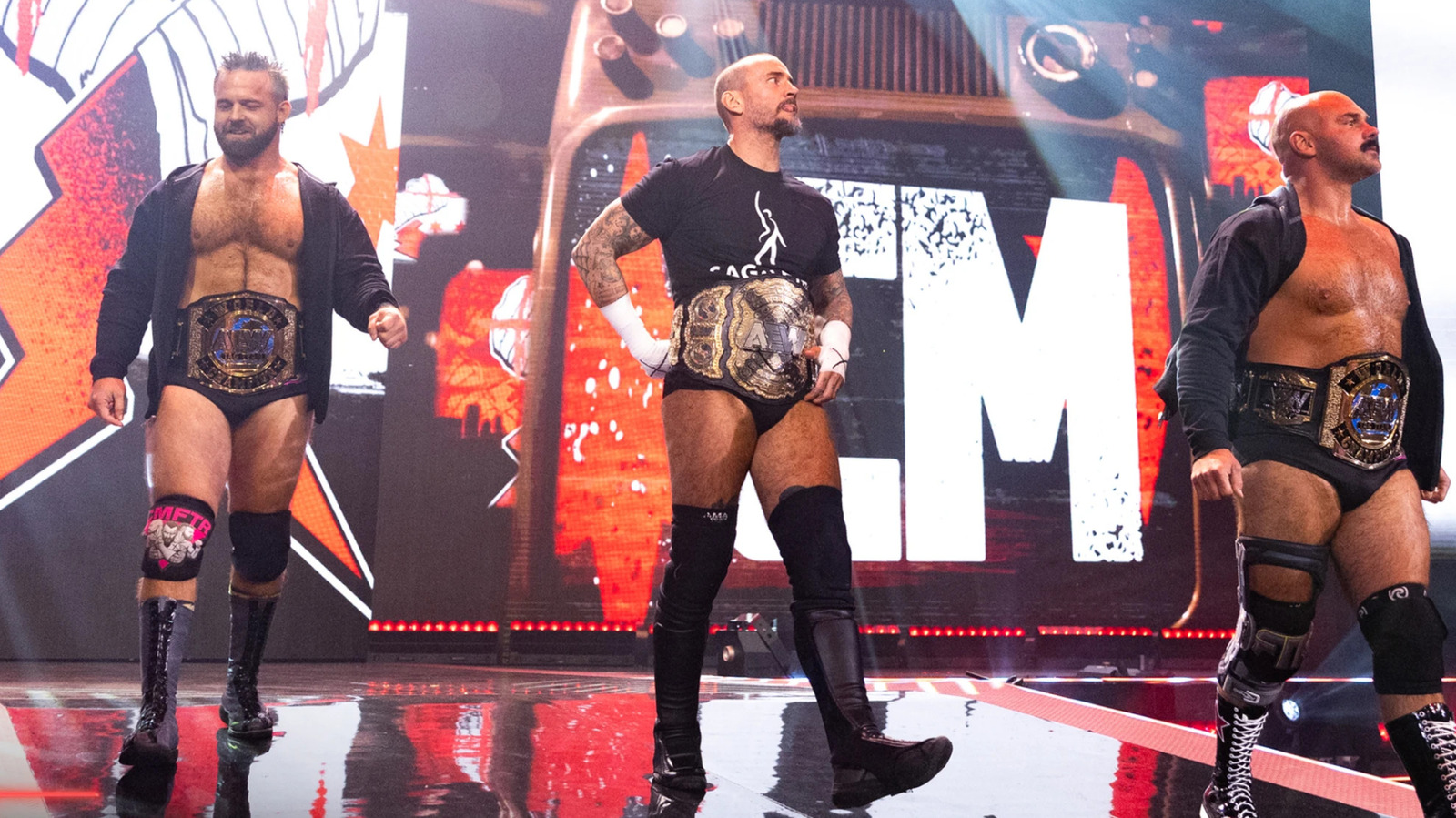
Cash Wheeler's decision reveals the tension behind the curtain
2 hours ago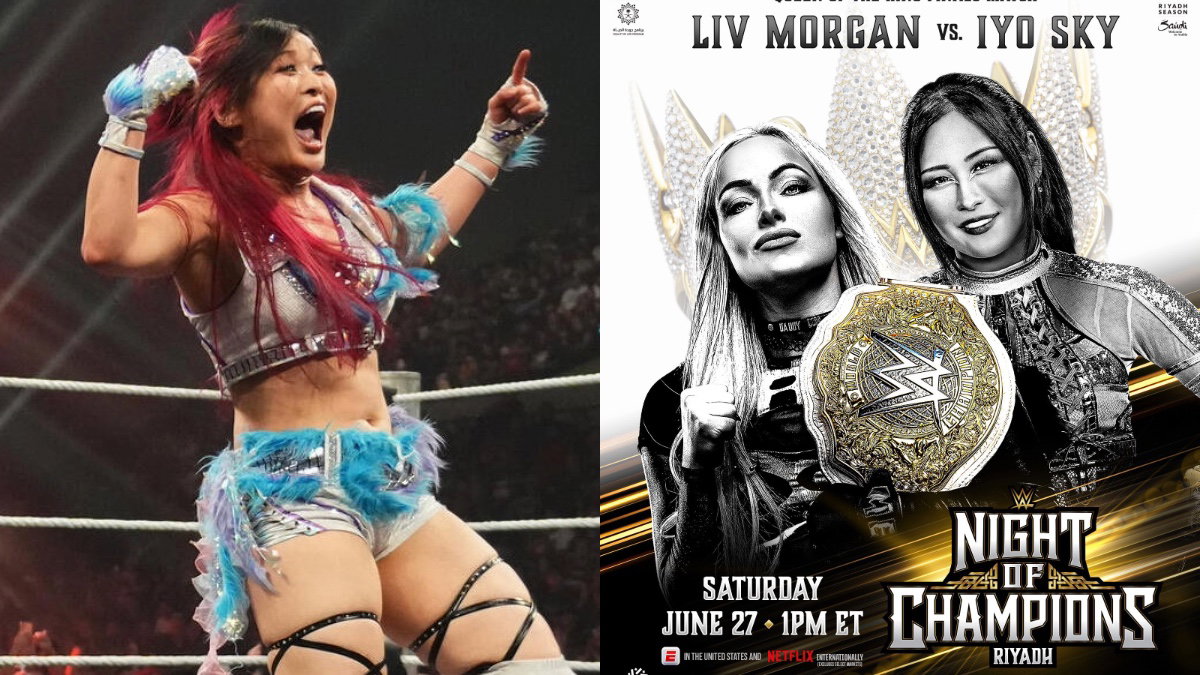
Iyo Sky needs a definitive win at Night of Champions
3 hours agoJohn Cena's Hollywood pivot is testing his wrestling endurance
3 hours ago