The 2004 Segment That Left Fans Confused
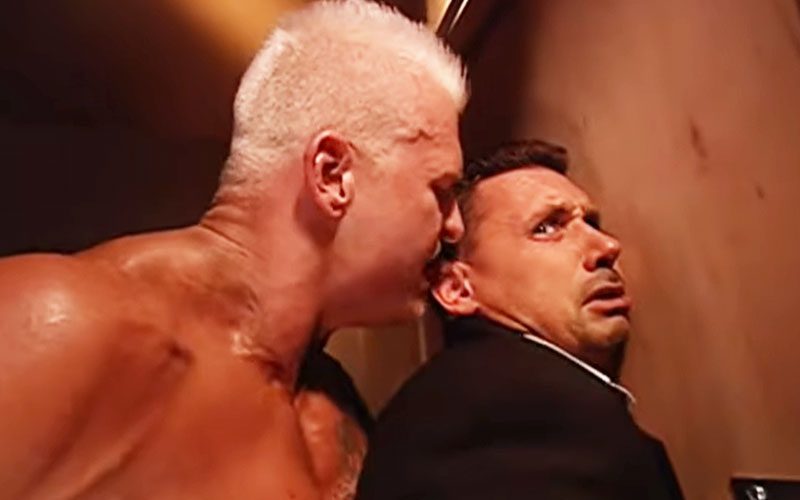
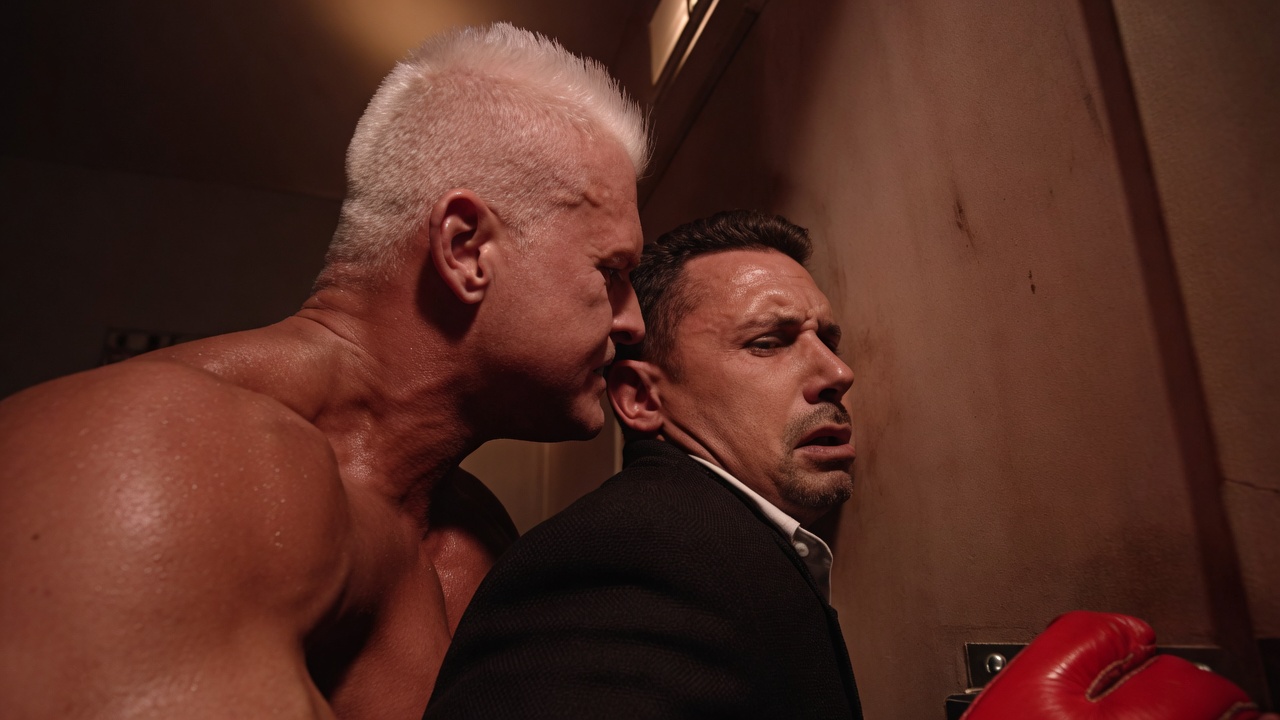
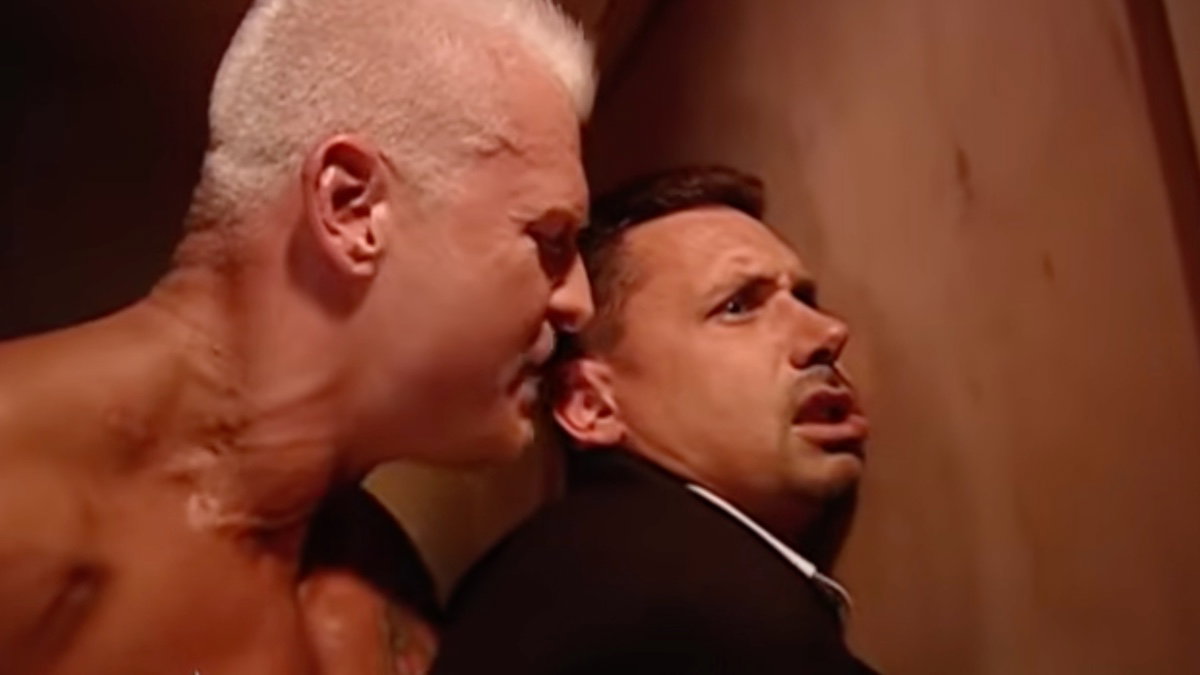
Jon Heidenreich remains one of the most polarizing figures of the WWE’s mid-2000s era. On the September 16, 2004, episode of SmackDown, the giant participated in a segment with Michael Cole that aged like sour milk. Heidenreich recently revisited the incident, confirming it felt as bizarre to perform as it did to watch.
The angle featured the erratic Heidenreich cornering Cole behind the scenes, culminating in a sequence that defied conventional wrestling tropes. It leaned heavily into the psychological thriller aesthetic, a far cry from the standard in-ring squash matches Heidenreich was usually booked for during that period. He viewed the segment as a departure from the business norm.
Reflecting on the discomfort
It’ll always be disturbing. It was really off the wall.
The segment was designed to solidify Heidenreich as an unstable, unpredictable villain on the blue brand. By targeting the lead announcer, the promotion attempted to blur the lines of their broadcasting safety, a tactic common in that era of television. Despite the intent, the execution remains a lightning rod for criticism among long-term fans.
While management often prioritizes shock value to garner television ratings, this specific moment sacrificed believability for a cheap reaction. It stands out in the archives not as a masterful piece of storytelling but as an awkward collision of character work and forced controversy. It was an era when the showrunners constantly experimented with narrative boundaries.
The creative hand behind the mask
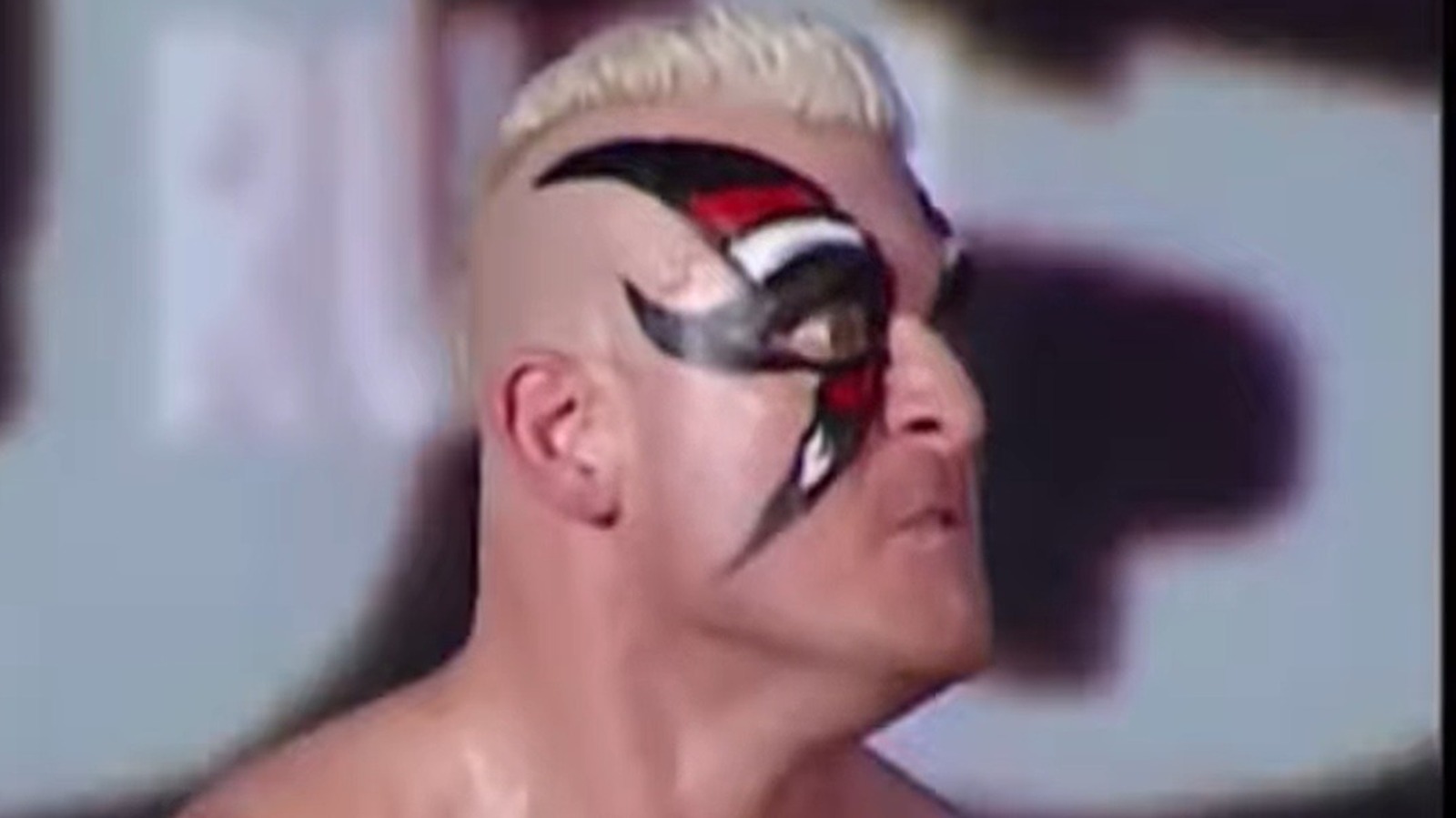
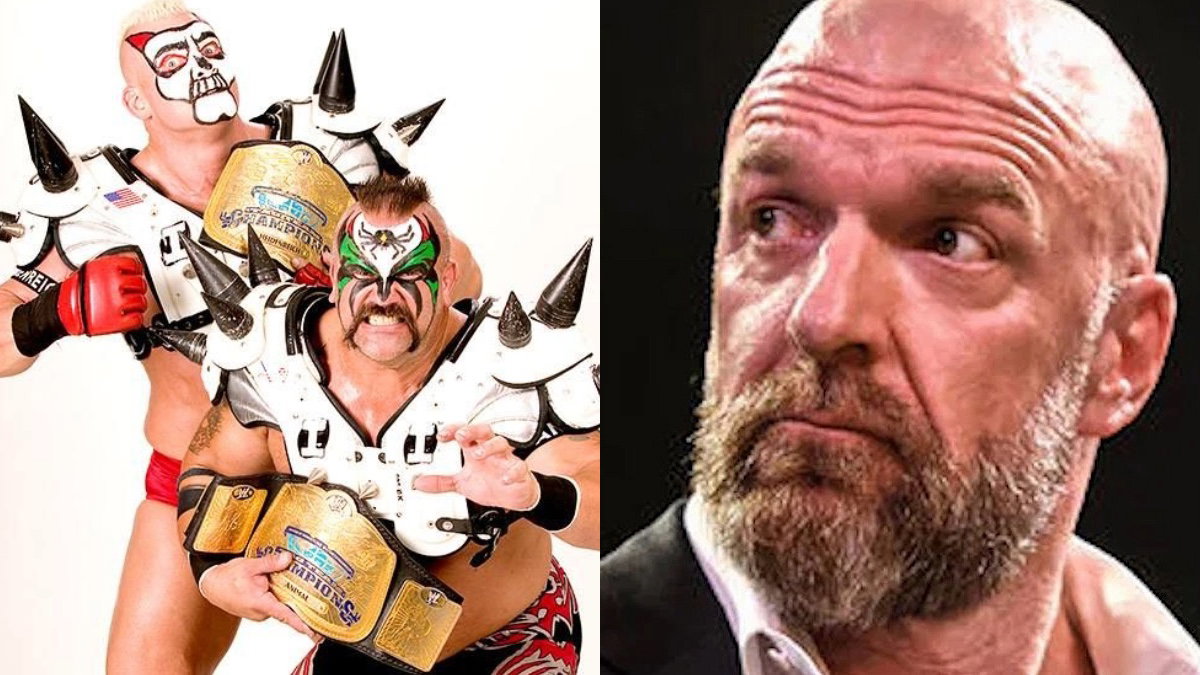
This incident wasn't an isolated case of booking gone wrong. As reported recently, Triple H had direct influence on the visuals of Heidenreich’s career. The former tag champion confirmed that his skull-themed face paint, used while teaming with Road Warrior Animal, was a Triple H creative project.
Triple H aimed to bridge the gap between Heidenreich’s persona and the legendary status of the Legion of Doom. By forcing the paint on a character who lacked the natural physical charisma of the Road Warriors, the office created an aesthetic mismatch. It is a classic example of looking backward to solve a modern creative void.
Why it missed the mark
The attempt to force legacy onto a wrestler often results in a hollow imitation. Heidenreich was a serviceable powerhouse, but the paint served as a visual crutch that drew negative comparisons to one of the greatest tag teams in history. The audience rejected the nostalgia bait, as the character lacked the grit to pull off the legendary aesthetic.
Even with high-level direction, creative choices can fall flat if they don't align with the performer's authentic presence. The Heidenreich run is a case study in why specific gimmicks fail when they are surgically attached to the wrong individual. It was a mismatch of talent and branding, leaving the wrestler at a disadvantage during his tenure.
The long-term impact on SmackDown
Looking back, the segment with Cole and the subsequent shifts in character presentation represent a fractured period for the brand. In 2004, the show struggled to find a consistent identity after the initial brand split momentum dissipated. Creative decisions were often made in a vacuum, with little regard for how they impacted the long-term integrity of the wrestling product.
We look at current booking strategies and see a focus on fluid, logical storytelling. The contrast to the Heidenreich era is stark. While modern television programs still take risks, they rarely rely on the absurd character interactions that defined the mid-2000s. The industry has trended away from these forced shock segments in favor of competitive, high-stakes matches.
Fans who lived through the transition from 2004 to the current year see the value in this progress. Wrestling media outlets frequently highlight these segments to remind viewers just how far the presentation has evolved. It is crucial to remember the failures as clearly as the successes to understand current ring standards.
Final thoughts on the era
Heidenreich’s admission about the Cole segment proves that even the participants recognize when a script oversteps. Not every segment was a goldmine of character development. Some were just filler designed to eat up minutes before the final broadcast slot. We see the final bell of that era now, and critics agree it was time for a shift.
His career path underscores a difficult reality in the industry. Performing under heavy scrutiny makes every mistake magnified by the lights and the cameras. The legacy of his time in the promotion isn't one of championships, but of these strange, lingering questions. The wrestling business learned hard lessons from those years, specifically regarding how to use talent effectively.
Ultimately, the industry moved on. The focus on credible athletic competition proved to be the better avenue for long-term growth. While the archives contain bizarre segments, the current product prioritizes the in-ring work that defines professional wrestling. We are past the age of the forced, distracting gimmick.