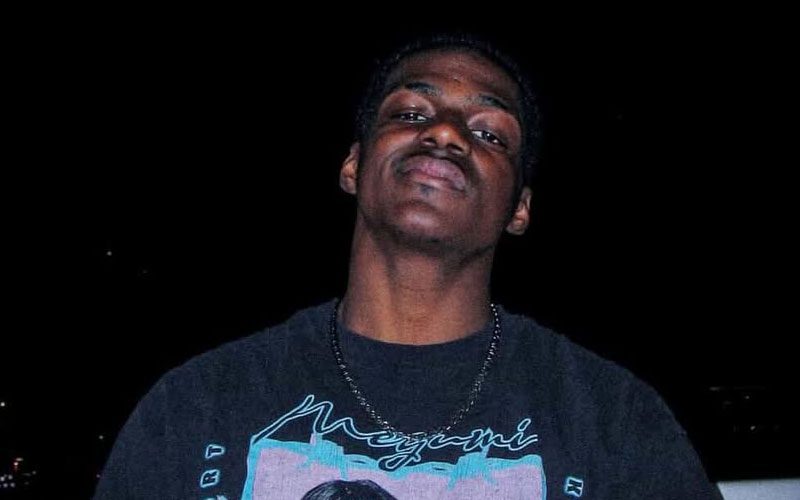
The quiet tragedy of a ringside staple
The independent scene operates on thin margins and high risks. When a performer at the caliber of Jordan Nasir, better known as Black Flash Jordan Saint, passes away at the age of 23, the weight of that reality hits harder than any chair shot. Naptown All Pro Wrestling broke the news of his death this week, a sobering reminder of how quickly a promising career can be silenced.
We talk about technical prowess and work rate in the ring, but we rarely address the fragility of those who fill the indies. Saint was a regular, someone who understood the grind and the necessity of building a brand from the ground up at local venues. PWInsider confirmed the passing, leaving a void for promoters who relied on his reliability to carry a mid-card feud.
The math of indie longevity
At 23, Saint wasn’t supposed to be part of an obituary. He was part of an era where content is consumed instantly, yet the performers are often overlooked until a tragedy forces a pause. Watching footage of his recent outings shows a worker who focused on fast-paced transitions and aerial timing. Maintaining that style over a long schedule is brutal.
Reports from F4WOnline noted the severity of the loss within the regional circuit. It highlights a recurring issue in independent wrestling: the lack of standardized health safeguards for talent working weekly dates. While the big leagues have trainers and protocols, wrestlers like Saint often move between promotions without a central safety net.
The gap in the booking sheet
Promoters are now left scrambling to fill his spot. It sounds cold, but that is the nature of the industry. When a worker is gone, the card must proceed, often leaving a hole in the storytelling. His technical work in Naptown All Pro wasn't just window dressing — he provided the connective tissue for several feuds that were building towards the summer schedule.
His absence is a massive blow to the local wrestling community. You don't replace a high-flyer of his specific build or his ability to work a crowd in a small gym with just another body. We are looking at a loss of talent that probably had a realistic shot at getting a developmental invite within the next 24 months.
A final look at the ring
The industry owes it to the next generation to take the well-being of its independent performers seriously. We cannot keep treating regional starters as expendable parts. If there is a bright side, it is that he leaves behind a body of work that other trainees are currently studying to improve their own transition speed.
My prediction for the coming weeks of regional bookings is a wave of tributes and memorial bells, punctuated by a somber reality: the show will go on, but it will be missing a key piece of its creative identity. Wrestling is a brutal art form, and losing someone so young confirms that the risks are always higher than the payout. Rest in peace to a performer who put his body on the line every single night.