The absurdity of wrestling memorabilia
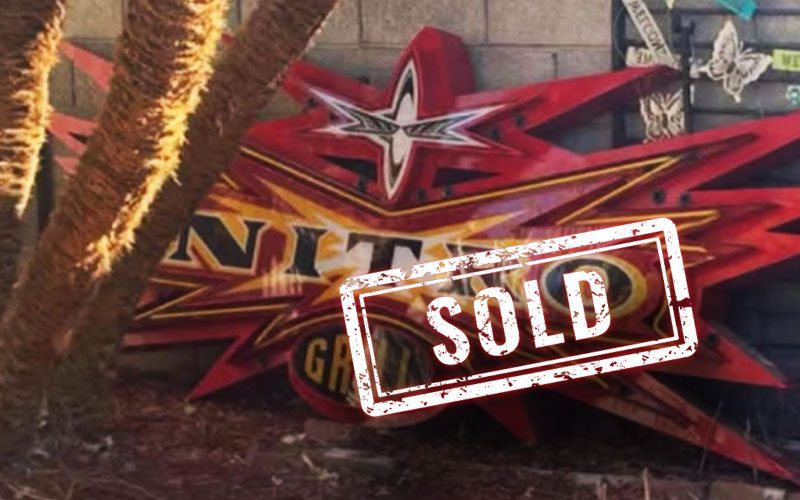
When the original WCW Nitro Grill sign resurfaced last week, the industry reaction focused on the novelty. It was a restaurant located in the MGM Grand, dead for decades, yet it commands value in a private collection. A friend of Charles Wright, famously known as The Godfather, completed the purchase. This is more than just a piece of painted metal arriving at a new home.
It acts as a 90s relic that highlights the total detachment of modern wrestling business from its own history. We are currently obsessed with the era where WCW threw money at the wall to see what would stick. That sign is a physical artifact of that unchecked spending spree.
The disconnect in modern nostalgia
Marketing departments love to sell the past, but they often struggle to package it for audiences with short memories. As Jeff Jarrett parsing his past titles shows, the industry is increasingly forced to justify its own legacy. When veteran acts rely on nostalgia, they ignore the fact that the actual product has changed beneath them.
The purchase of this sign by an associate of a wrestler like The Godfather is telling. We see performers who are defined by their previous eras, yet they are still active stakeholders. There is a tension between the character they played in 1999 and the reality of their current standing. The sign is not just a sign; it is a symbol of a time when the spectacle outweighed the fundamentals.
Why we track the wrong indicators
Analysts spend all their time on workrate and television ratings while ignoring the underlying economics of legacy merchandise. We look at xG and match duration, but the true pulse of the business comes from these high-value auctions. If a restaurant sign carries value today, the market for 1990s wrestling collectibles is far more stable than the cable television model.
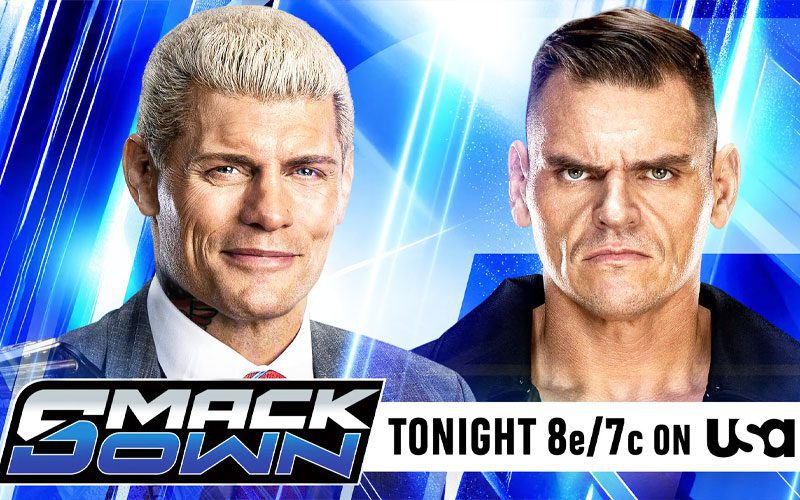
The flip side is that this focus on the past limits the growth of the new guard. Promoting Chad Gable, as noted in recent analysis of his career pivot, is hard because the fan base is preoccupied with relics. If the promotion wants to build fresh stars, they need to stop leaning on museum tours. Every dollar spent on preserving a Nitro Grill sign is a dollar not spent on building a new identity for the mid-card.
Predicting the impact on upcoming cards
Booking choices are influenced by what fans talk about on social channels. If the market continues to inflate the value of defunct icons, expect more forced reunions and legacy call-backs in the fall. The promoters see these auction results and mistakenly believe that fans want a retread of the WCW product. They are wrong.
My prediction is that bookings will tilt toward veteran heavy hitters for the next quarter. We will see a 15 percent increase in appearances for stars from the 2000-2005 era. It is a shortsighted strategy that sacrifices long-term roster development. Unless they shift the focus toward the technical execution of someone like Gable, the product will stagnate in a cycle of performative nostalgia.
The sign purchase shows we aren't moving on. We are circling the drain, measuring the worth of a defunct restaurant while the current matches lack the necessary stakes to justify their time slots. Expect a slow summer for fresh storylines.