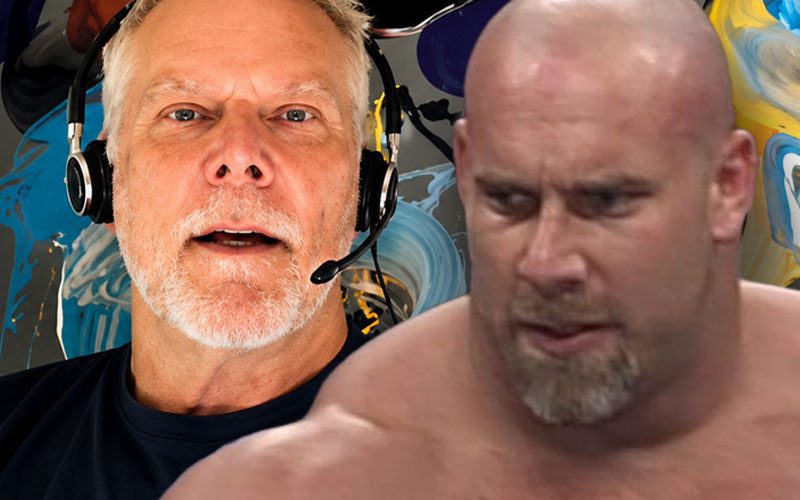
Big Sexy keeps the receipts and his mouth moving
If you have spent any time listening to the Kliq This podcast, you know exactly what you are getting. Kevin Nash has evolved into the industry's premier curmudgeon, a guy who treats wrestling history like a crime scene he is paid to investigate. Whether he is dissecting 1998 booking decisions or critiquing pop culture, Big Sexy speaks with the confidence of a man who drew millions at the gate.
Recently, Nash turned his attention back to the Goldberg heel turn in WCW. For years, the internet has debated whether the streak should have been broken by a heel or if the character was too over to hate. Nash’s take is grounded in the reality of the locker room. He points out that the creative direction had a structural flaw, making the pivot to villain status feel like swimming upstream against the crowd's natural reaction.
The evolution of the CM Punk critique
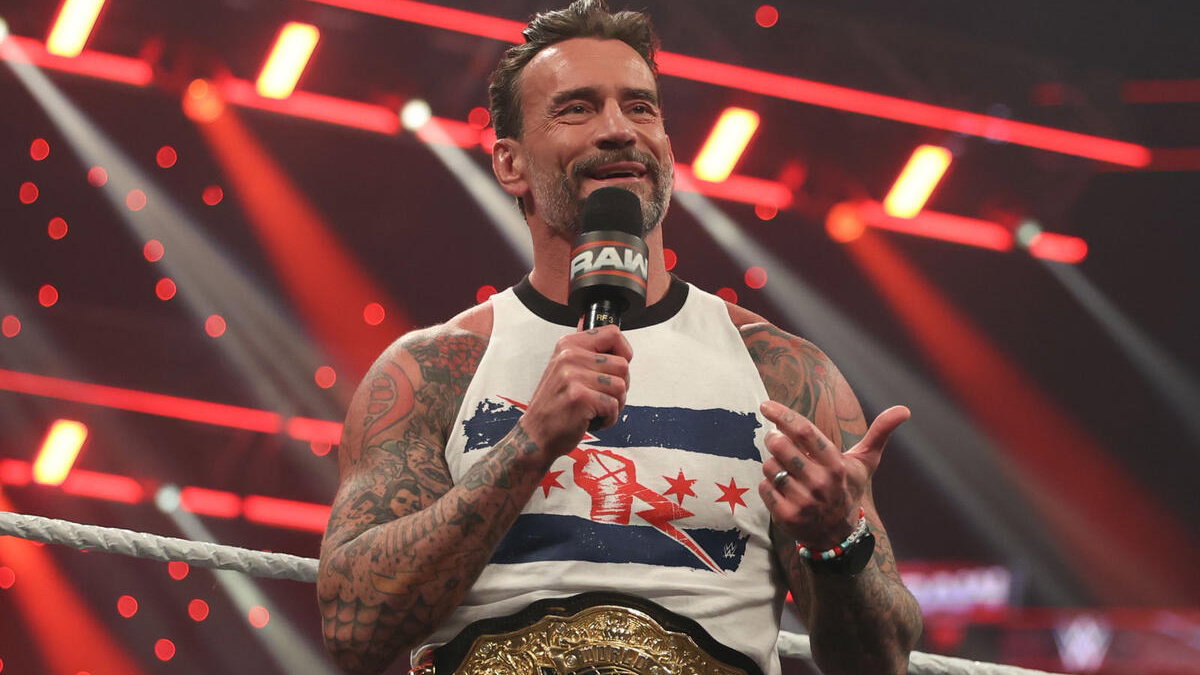
For months, the back-and-forth between Nash and CM Punk over physique was the weirdest beef in wrestling. Nash spent meaningful airtime roasting Punk for not looking like a bodybuilder from the mid-nineties. It was petty, it was hilarious, and it was classic old-school ego.
But the script flipped recently. Nash publicly walked back the criticism, acknowledging that Punk showed up ready to work and looking the part. It is rare to see a guy with that much pride admit he might have been off the mark. Maybe the guy just needed to hit the gym for a few more weeks to earn the respect of a former world champion.
Strange detours into pop culture
Nash does not just limit his scope to headlocks and backstage politics. His recent deep dive into the Michael Jackson settlement details shows exactly how wide the net is cast. You do not tune into Kliq This for objective clinical analysis of legal filings. You listen because you want to know what a guy who once wore a leather duster to the ring thinks about high-stakes financial payouts.
It is admittedly chaotic. Sometimes the pivot from discussing a $21,000,000 settlement to talking about the logistics of a 1999 house show feels like getting hit with a folding chair when you expected a handshake. That is the charm of the show. It is unfiltered, unscripted, and entirely unbothered by what the polite wrestling media thinks.
The flaw in the formula
For all his brilliance, Nash struggles to let go of the idea that 1996 standards apply to 2026 stars. He often evaluates modern talent through a narrow lens of his own success. Just because something worked in the nWo era does not mean it applies to every underdog babyface currently on the roster.
He spends a lot of time romanticizing the way business used to be done instead of appreciating the athleticism of modern cards. When he talks about Goldberg’s transition, he is right, but he misses that the business changed. The fans stopped wanting monsters and started wanting technicians. Nash is a historian, but sometimes he is a grumpy one living in the past.