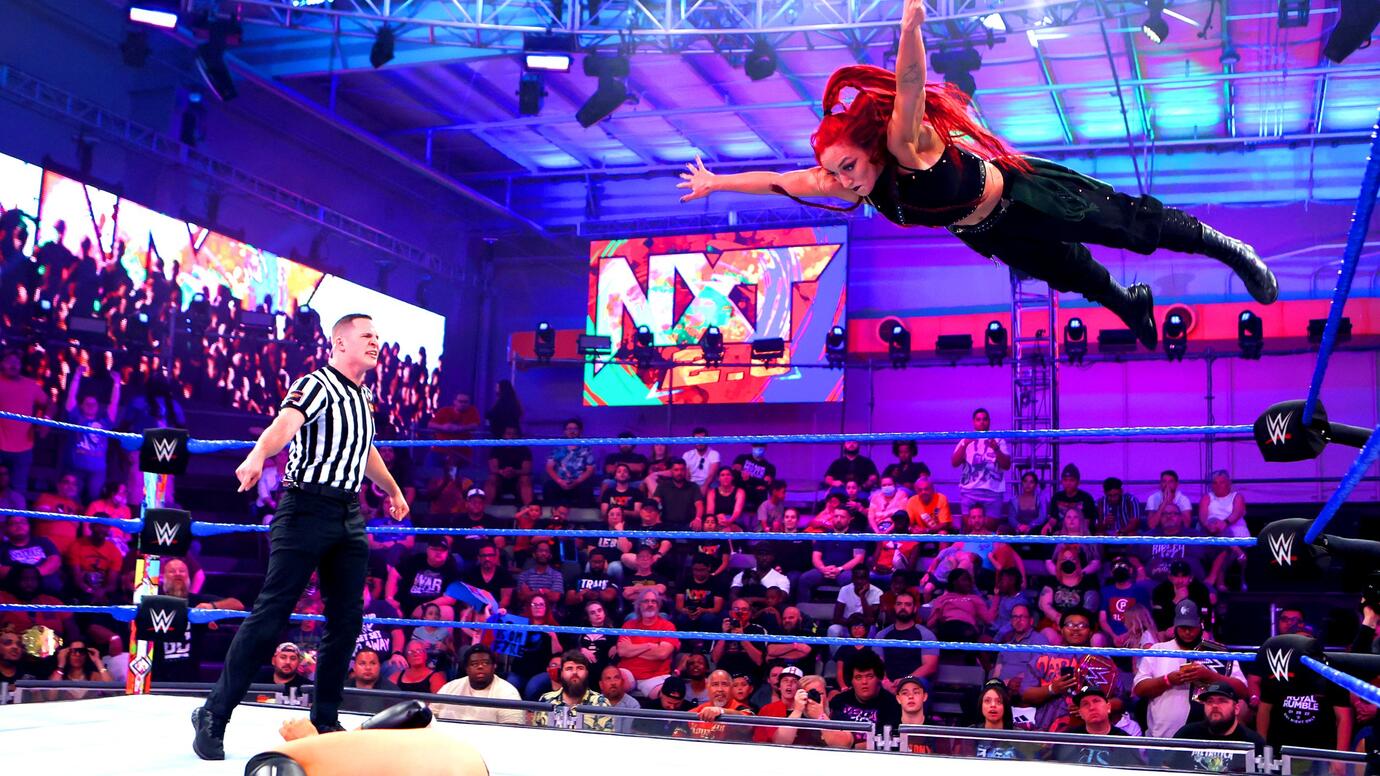
The disconnect between wrestling storytelling and reality is widening
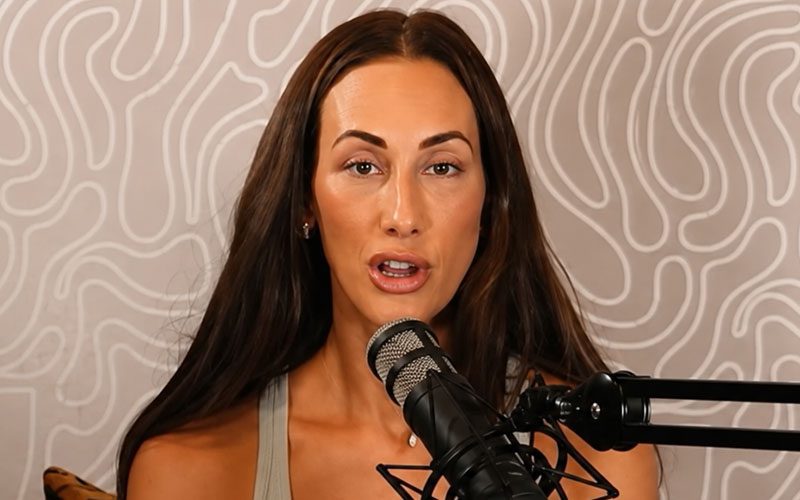
The performative gap in modern rosters
We are currently witnessing a friction between the curated presentation of performers and the messy, authentic reality they lead off-screen. On June 15, 2026, the industry remains locked in a battle to decide how much of the 'real' person translates to the television product. While some athletes attempt to bridge this via social media snippets, the result is often a diluted version of their actual identity.
Consider the contrast between the rigid production expectations on Monday Night Raw and the candid outbursts of talent like Carmella. She recently sounded off on the curated, beige aesthetic of modern social media parenting, describing it as a fake fantasy that masks the grit of real life. This isn't just a lifestyle critique; it points to why some fans find main roster characters so hollow. If the product dictates a sanitized presentation, the audience can smell the artifice immediately.
The cost of standardizing athleticism
Blake Monroe is currently learning this lesson the hard way following her jump to the main roster. The transition from independent flair to television-optimized pacing has stripped away the very elements that made her stand out in the first place. When a high-impact performer is restricted, the result is a match that feels like a series of safe, mechanical spots rather than a contest with stakes.
The creative direction heading toward Night of Champions feels similarly bottlenecked. We have seen Carmella challenge the expectations placed on women in the public eye, yet the mid-card momentum on Raw remains stalled by the same lack of authentic stakes. A show should build pressure like a long-form match, but right now, the booking feels like a series of interrupted arm-drags. There is no rhythm, only a series of adjustments intended to protect a brand image that the audience no longer fully trusts.
Missing the pivot point
Wrestling storytelling requires a tactical shift. When management curtails an entrance or mandates a specific cadence for a promo, they aren't just adjusting for time—they are removing the individual agency that creates fan loyalty. Blake Monroe has already disclosed that these timing constraints are eroding the craft she developed. You can see the frustration in the pacing of her recent contests.
We are looking at a creative ceiling that the mid-card cannot break through without abandoning the current playbook. If the producers insist on formatting every segment to appeal to a lowest-common-denominator aesthetic, they will continue to alienate the base that values technical proficiency and character depth. It is a fundamental error to ignore the human element in favor of a polished, beige, television-safe product. The math is simple: when you take away the flair, you are left with filler.
This stagnation extends beyond mere creative slumps. It touches on the refusal to let talent breathe during segments, forcing them to hit time stamps rather than allowing them to work the crowd. When you time-cap an entrance or force a generic narrative arc, you sacrifice the spontaneous reactions that make historical moments memorable. Unless the booking team allows for more variance, the build toward the next pay-per-view cycle will remain a predictable, low-energy slog.
Funko Pop! WWE: Cody Rhodes (American Nightmare)
Bring the American Nightmare to your desk.
Frequently Asked Questions
Why is Blake Monroe struggling on the main roster?
How does sanitized storytelling impact modern wrestling?
What is Carmella’s view on modern wrestling presentation?
What happens when talent lacks agency in wrestling promos?
What is the primary flaw in modern WWE booking according to the article?
More Coverage
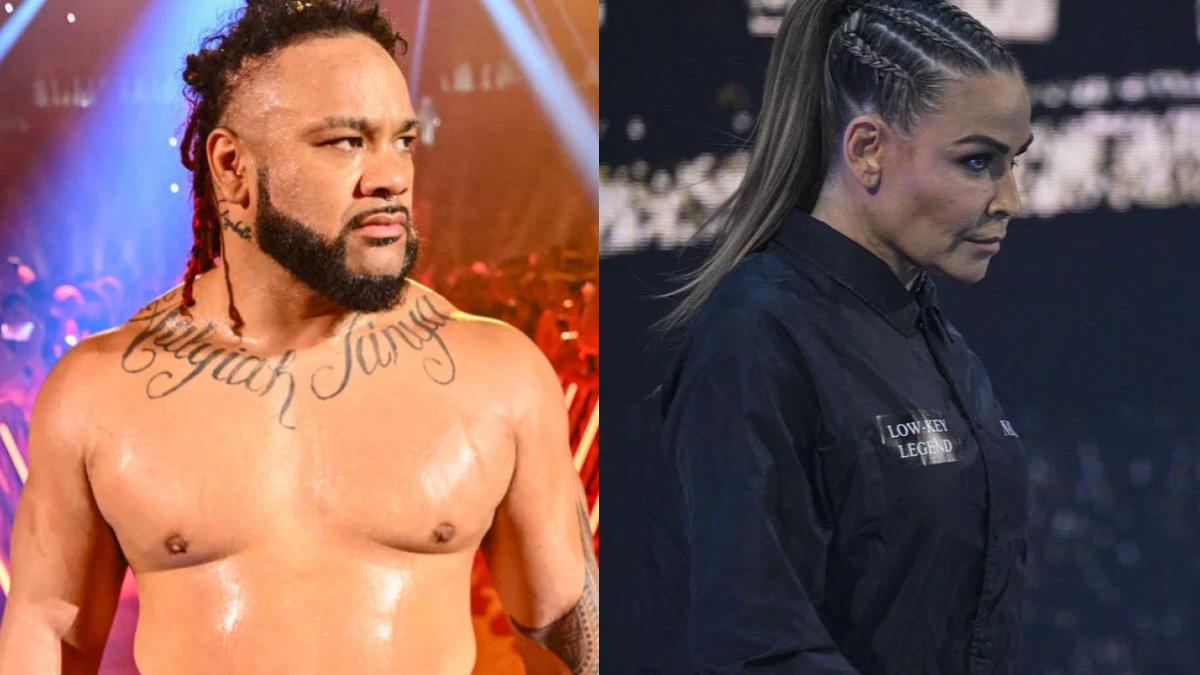
The Bloodline's latest weapon is playing dungeon master
2 hours ago
Blake Monroe’s main roster transition is hitting a wall
3 hours ago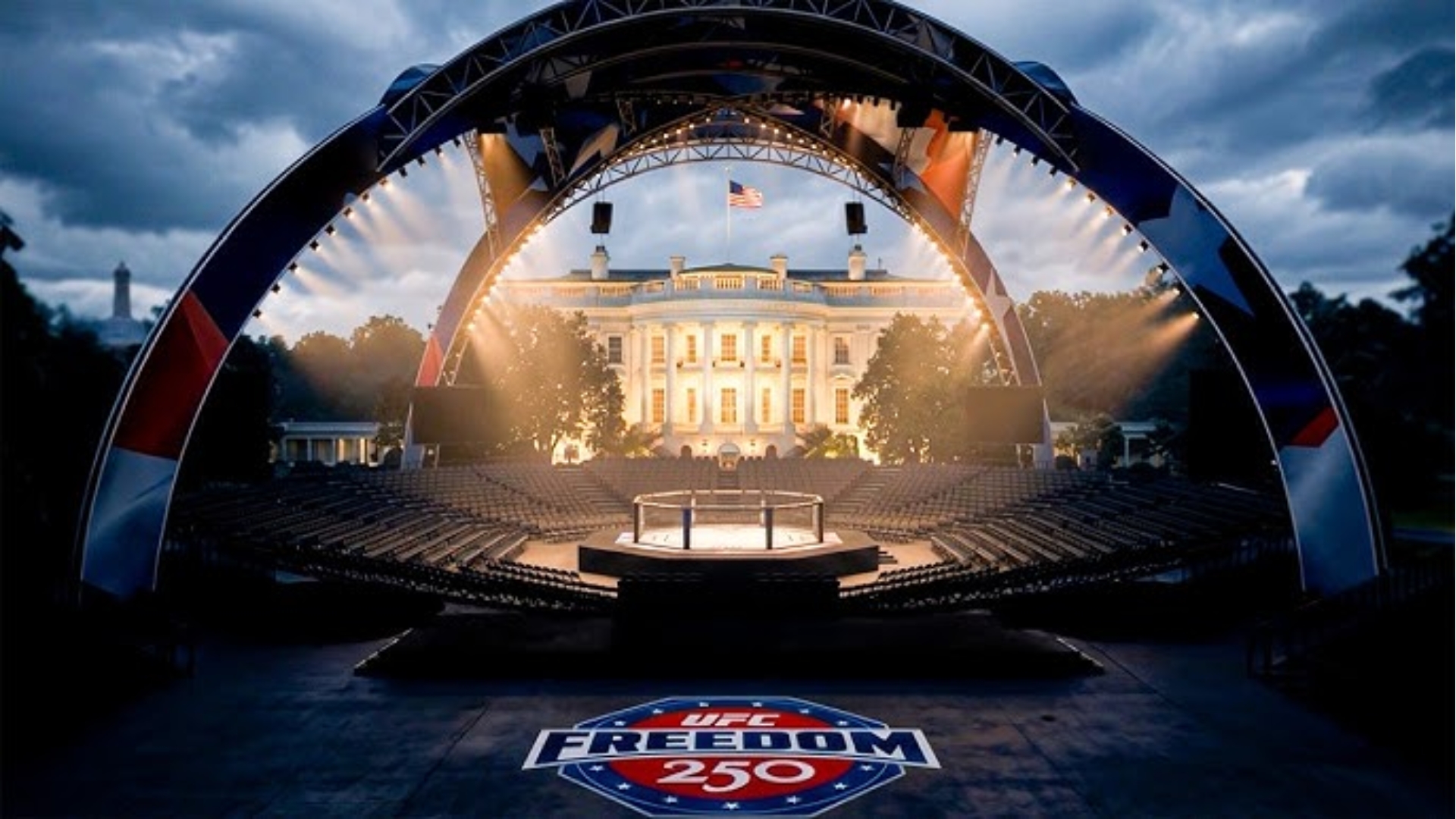
Sean Strickland fallout leaves UFC Freedom 250 with a PR headache
3 hours ago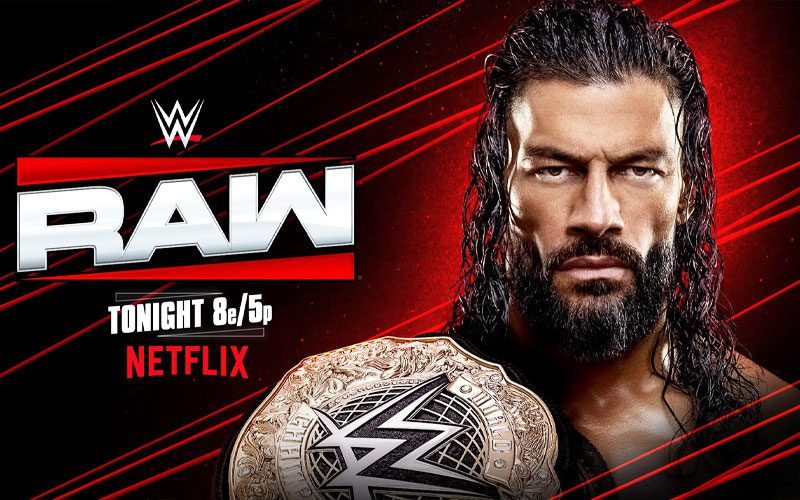
Raw is running out of excuses to fix the mid-card momentum
3 hours agoReliving the 2016 madness proves how much we settle for now
7 hours ago
John Cena is searching for a second act in a landscape he no longer controls
7 hours agoMore Analysis
The Bloodline's latest weapon is playing dungeon master
2 hours ago
The SmackDown tournament fallout is creating a total war online
3 hours ago
Blake Monroe’s main roster transition is hitting a wall
3 hours ago
Sean Strickland fallout leaves UFC Freedom 250 with a PR headache
3 hours ago
Raw is running out of excuses to fix the mid-card momentum
3 hours ago