The State of Modern WWE
WWE enters mid-2026 with historic financial momentum, but backstage discourse highlights a persistent tension between corporate scaling and old-school wrestling philosophy. Balancing massive celebrity partnerships with the fundamental need for developmental depth remains the company's primary internal struggle.
The Ranking
- Trick Williams: Williams sits at the apex of the current WWE hierarchy, not just for his in-ring work but for his ability to bridge the gap between wrestling and pop culture. As Ringside News reports, his calculated partnership with Lil Yachty has opened doors to demographics Triple H desperately wants to capture. He earns the top spot because he is the only current star expanding the audience rather than just preaching to the choir.
- Cody Rhodes: The undisputed centerpiece remains the anchor of the promotion. Regardless of the rotating creative cycles, Rhodes manages to maintain a connection that feels organic, a feat few others in the modern era can replicate without heavy booking interference. He is the standard against which all other main event talent is currently measured.
- Gunther: The longest-reigning intercontinental champion of the modern era continues to prove that, in WWE, talent—real, technical talent—usually finds a way to draw money. His commitment to a rigid, violent style works because it feels like a genuine response to the lighter, faster-paced matches occurring elsewhere. He is the ultimate stabilizer for the product.
- Maxxine Dupri: While her transition through different roles has been unconventional, her impact on the locker room environment is well-documented. Discussing her ties with Otis and Theory, Wrestling Inc notes that these interpersonal connections are what actually keep a roster coherent during long road stretches. She represents the new generation of multi-platform stars who value the social fabric of the business as much as the scripts.
- The Influence of AEW: It sounds odd to rank a promotion, but the existence of AEW has fundamentally altered WWE’s leverage during contract negotiations. As noted by industry voices like Road Dogg, talent now has a genuine alternative, which has forced WWE to become more competitive in order to secure top-tier rosters. This pressure has undoubtedly stopped the company from settling into a complacent monopoly.
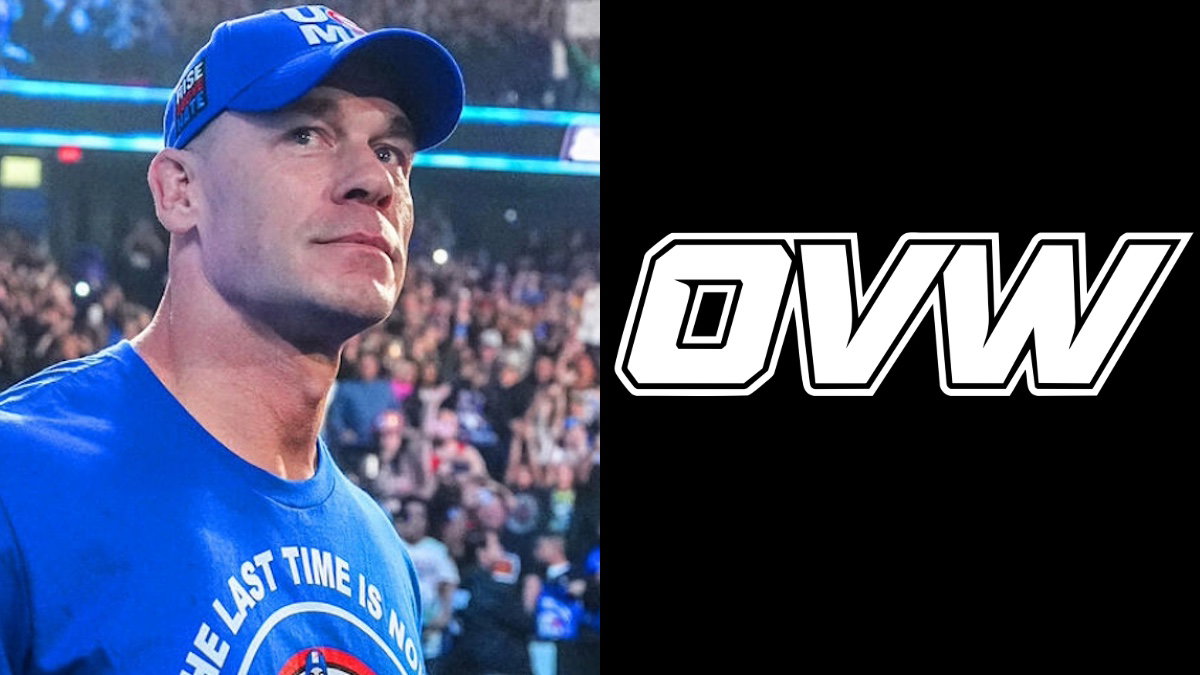
- The Developmental Conundrum: Road Dogg has frequently pushed for WWE to revisit the roots of regional developmental like OVW to cure current creative stagnation. The critique is simple: WWE is losing the ability to teach the basics of heat and ring psychology before they reach the main stage. If the company fails to address this, we will continue to see high production values masked by empty, unmemorable matches.
- The Legacy of the Divas Era: Candice Michelle’s recent comparisons of her past Playboy shoots to modern OnlyFans content show a clear evolution in how female talents monetize their own image. This shift isn't just about revenue; it is about the reclaiming of bodily agency. It serves as a reminder that the WWE brand was built on a foundation that many modern executives would prefer to ignore or sanitize away.
- Alba Fyre: Her departure from WWE continues to leave fans asking what might have been, especially regarding her potential ceiling. In interviews, she highlighted that dream opponents exist outside the bubble of Titan Tower, proving that long-term stability is no longer the only metric for success for talented performers. She ranks here because she represents the talent loss that inevitably happens when booking does not align with prospect potential.
- The Michael Cole Factor: Jon Heidenreich reflecting on that traumatic segment two decades later proves that even the most uncomfortable television can leave a long-lasting memory. It serves as a cautionary tale: WWE is, and always will be, a circus that is capable of incredible highs and absolute, nonsensical lows. The fact that fans still talk about that segment after 20 years proves that the bad leaves an imprint just as deep as the good.
- The Corporate Blur: At the bottom of the list is the inevitable homogenization of the brand. With massive corporate backing, the grit that defined the boom years is harder to find. If the product loses its edges to appease shareholders, the very thing that makes wrestling compelling—the danger—will wash away under a wave of clean, sanitized, and predictable booking.
The Big Picture
WWE is currently a machine designed for maximum market saturation, yet it remains vulnerable to the fundamental criticisms of those who built it. The challenge moving forward is simple: satisfy the board without turning off the fans who have been watching since the tape-trading days.
Honorable Mentions
Akira Tozawa continues to be the most underrated utility player on the roster; his ability to pivot between comedy and serious work is a lost art. Austin Theory remains one bad creative pivot away from ascending to the top tier, provided he finds a character evolution that sticks. Finally, the legacy of the Performance Center continues to be a mixed bag, offering high-level facilities but often producing carbon-copy workers who lack the necessary flair to carry a pay-per-view during the off-season.