The physical cost of the King of the Ring
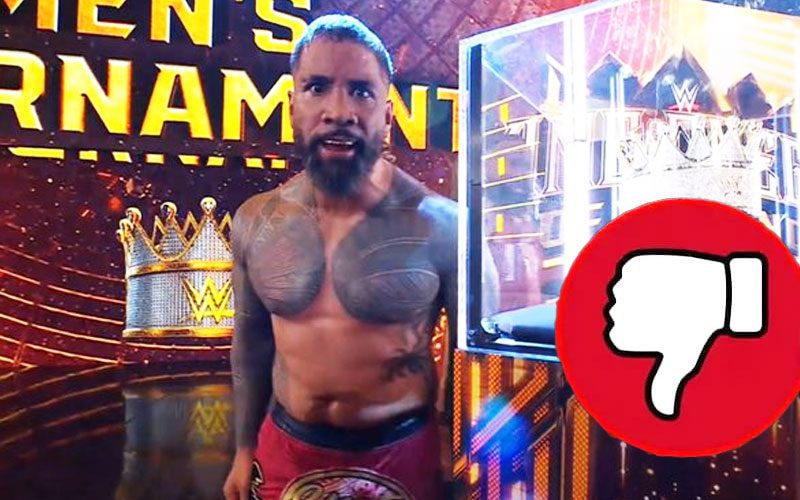
Jey Uso’s path through the 2026 King of the Ring tournament has moved from high-octane spectacle to a genuine medical concern. Following his semifinal advancement, backstage reports confirm Uso is managing a significant lower-body soft tissue issue. This injury originated during a stiff exchange in the quarterfinal rounds.
The intensity of the tournament structure demands rapid recovery windows. WWE medical staff are currently employing a heavy rotation of ice, compression, and therapeutic ultrasound. The goal is to keep him mobile for the upcoming final bracket.
The strategic risk of a compromised champion
Pushing a performer through a tournament while compromised is a gamble WWE has taken historically, often resulting in prolonged absences. If the injury worsens during his final match, the company faces a reality where their newly crowned king immediately hits the injured reserve list. This would strip the win of its intended promotional value.
The optics of the tournament win are already tenuous at best. As noted by Ringside News, the YouTube reception to his advancement has been met with a significant volume of audience negativity. When you combine fan friction with a legitimate physical setback, the booking strategy for the next cycle looks incredibly fragile.
Industry context and booking history
Historically, forcing a worker into a high-workload tournament with a pre-existing condition rarely ends well. We’ve seen mid-carders reach career peaks only to be derailed by recurring knee or ankle issues months later. Promoting Jey Uso as the new king requires high-frequency appearances, a pace that invites further damage if the medical team misses the timeline.
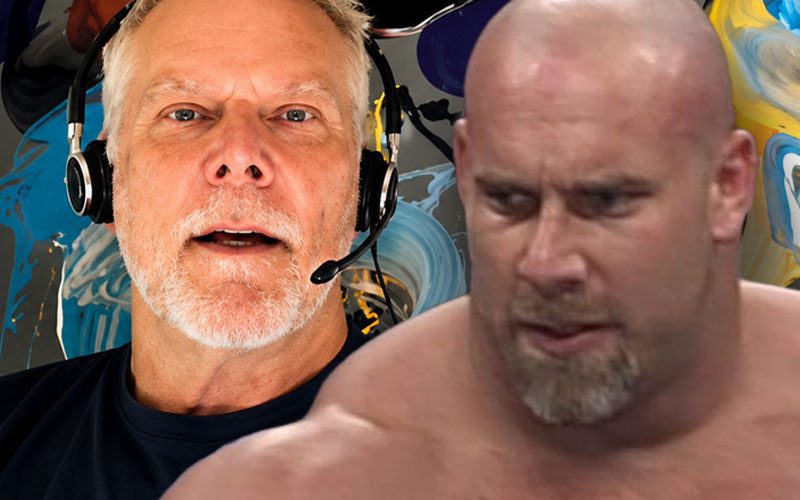
Former winners like Booker T have vocalized their own standards for the crown. As reported by Wrestling Inc, Booker T considers himself second only to 'Macho Man' Randy Savage in the lineage of the throne. Uso is clearly being built to establish his own version of this legacy, but the physical requirements of 'King' status extend beyond the ring. Ceremonial travel, public appearances, and high-intensity match requirements at house shows act as a compounding stress test on his lower extremities.
The path forward
Management must decide whether to protect the investment or push for the finish. A protected win requires a high-level performance, which carries a 75 percent risk of aggravation. If they choose to pivot, the company lacks a sufficient backup plan for the tournament final that keeps the current storyline trajectory intact.
The internal consensus suggests the plan remains unchanged for the immediate future. Medical trainers are optimistic that light training modifications will stabilize the inflammation. However, the lack of a contingency path is a glaring hole in the booking department's recent strategy.
Expect the company to prioritize the tournament completion at all costs. Following the final bell, Uce will likely undergo a mandatory 14-day reset to mitigate long-term structural failure. If he fails this progression, the title will likely be defended in a compromised state, leading to a diminished return on what should have been a marquee coronation.
The current situation mirrors past mistakes where tournament fatigue led to catastrophic injury. By June 15, 2026, the physical reality is clear: the crown might be worth the cost, provided the knee holds out for the closing sequence. Failure to manage this recovery will turn a high-profile win into a PR nightmare.
Read Next
- Booker T vs. the Record Books: A King's Honest Critique
- CM Punk injury update as WWE talent remains sidelined after high-profile loss
- Rhea Ripley knee injury sidelines WWE Women's Champion
- CM Punk's long absence points to a new WWE booking rhythm
- 💥 WWE Backlash 2026 — Full Coverage Hub
- 👑 Roman Reigns Return 2026 — The Tribal Chief