Cartwheel confirms non-surgical recovery path
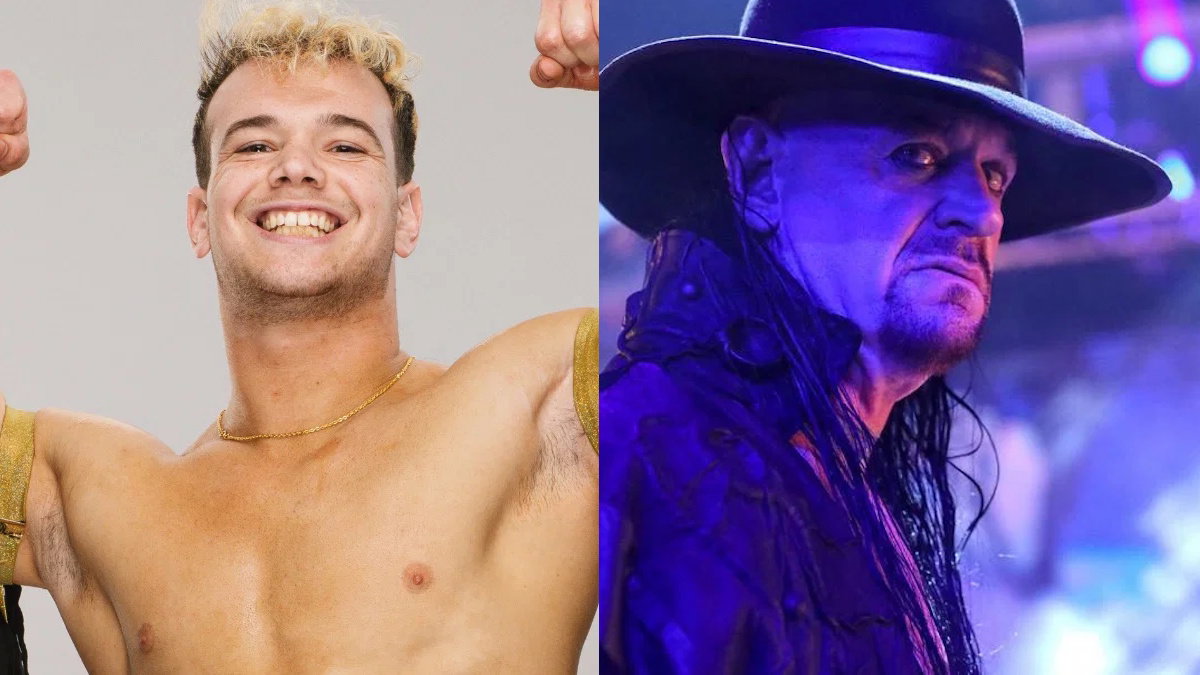
Jack Cartwheel will not require surgery for the arm injury that recently sidelined him. The performer confirmed the news earlier this week, offering a sigh of relief to fans who witnessed the awkward landing in his most recent outing. Initial medical evaluations suggested a potential season-ending procedure, but follow-up scans showed enough stability to avoid the operating table.
While the recovery plan focuses on intensive physical therapy, the timeline for his return remains fluid. Cartwheel is currently navigating a rehabilitation protocol designed to restore full articulation to the elbow joint without invasive intervention. Avoiding a 6-month recovery window is a significant victory for the independent star, who was previously flagged as an injury risk during his time inside the WWE ID system.
Stalled momentum for the high-flying standout
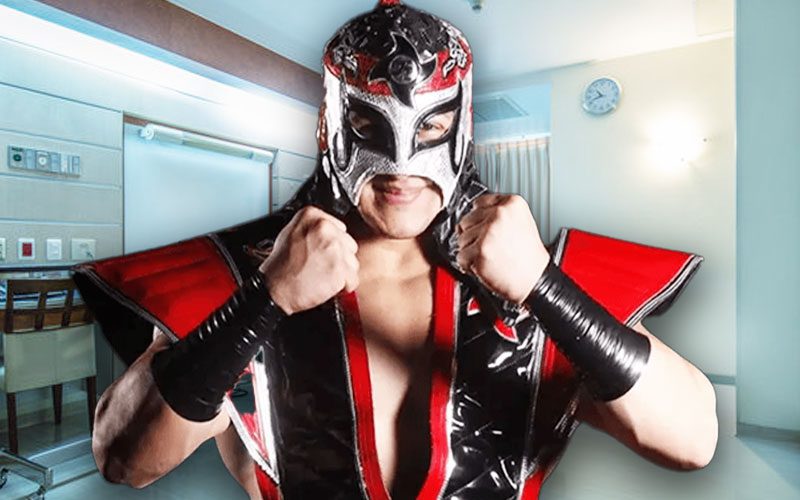
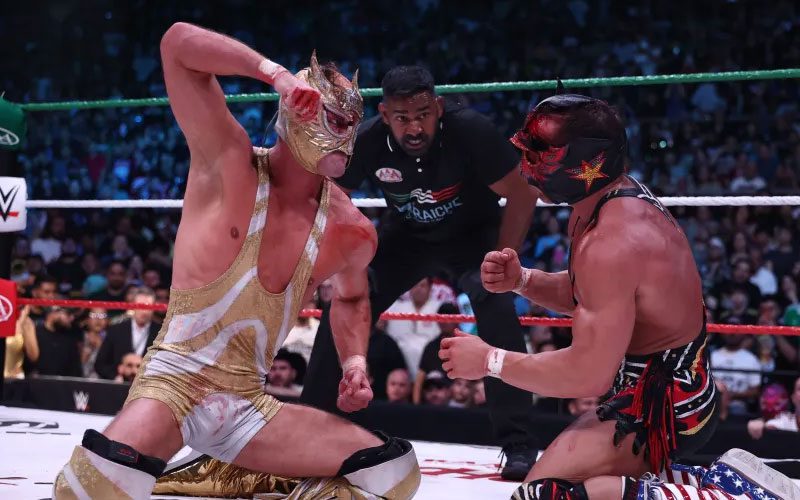
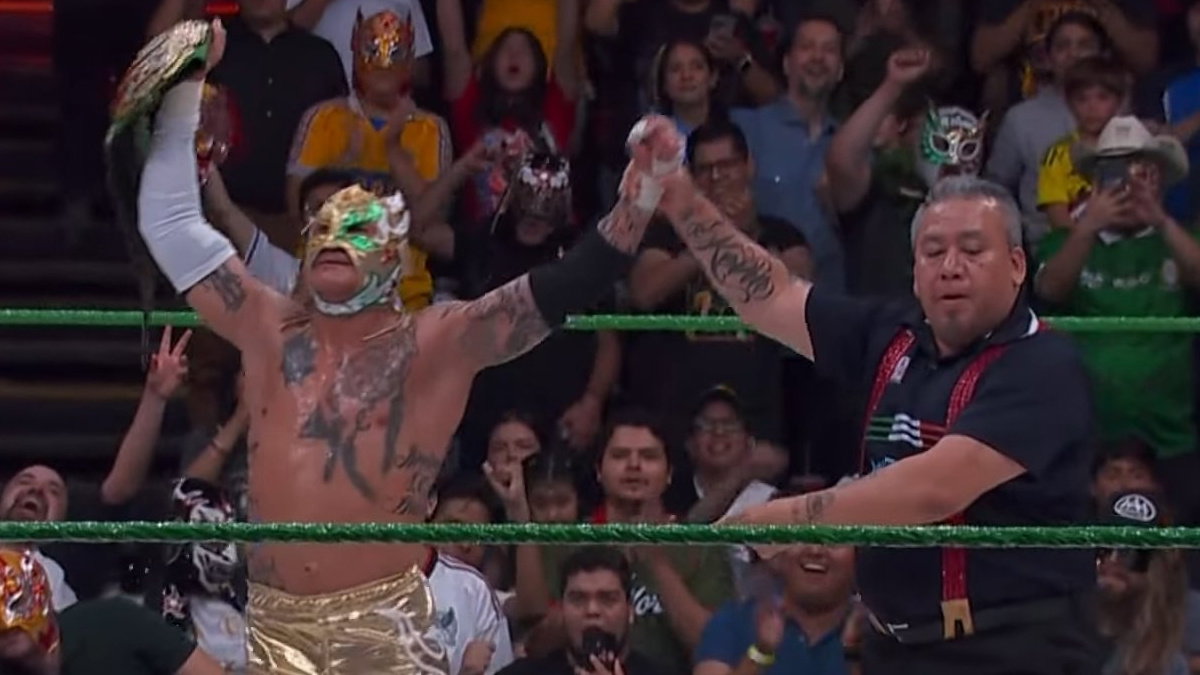
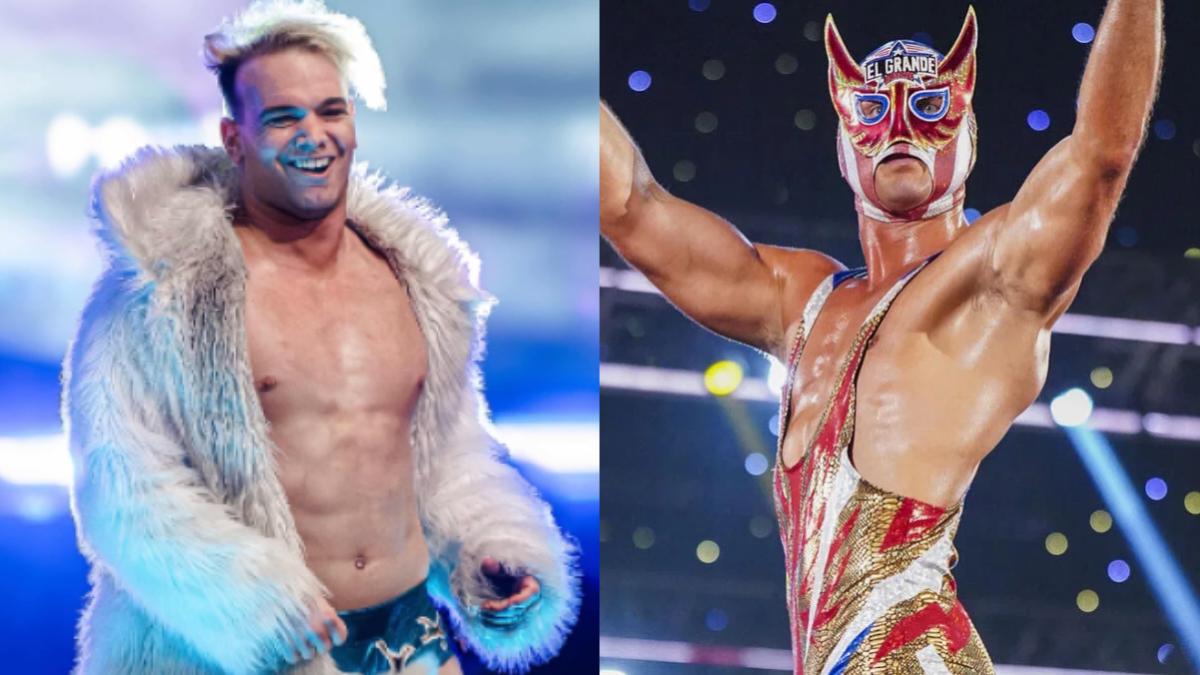
The timing of this injury hit just as Cartwheel was sharpening his focus on a high-profile dream match. He has publicly discussed a desire to face El Grande Americano under the AAA banner, despite acknowledging the hostile crowd reception he expects to receive. A clash with Americano would serve as a litmus test for his crossover appeal, though that booking is now firmly on ice until he is cleared for active duty.
This reliance on pure rehab rather than surgery is a familiar gamble in the industry. We saw similar recovery tracks lead to moderate success in recent years, though re-injury rates remain a constant chatter point among medical staff. If the connective tissue does not respond to static range-of-motion drills, the decision to skip surgery could backfire, forcing a multi-month layoff later this year.
Strategic fallout for talent acquisition
Cartwheel's status is a reminder of how quickly plans change in the world of professional wrestling. As detailed in recent F4WOnline reports, management often views non-surgical recoveries with skepticism. The ability to return to the ring at full speed—specifically to maintain the aerial proficiency that defines his style—will be scrutinized heavily by scouts tracking his progress.
His previous history as a WWE ID signee keeps him on the radar of larger promotions. However, staying healthy is the only way to retain that leverage. Relying on conservative management for an arm injury means he will likely return to the ring at 70 percent power first, slowly ramping up to high-risk maneuvers like his signature standing shooting star press.
The landscape of recovery risk
The industry is currently seeing a saturation of "wait and see" injury management. Rather than rushing into corrective surgery, performers are increasingly choosing to exhaust every non-invasive option to protect their long-term agility. If he returns too early to chase the Americano match, he risks permanent structural degradation. That is a steep price for a single angle, no matter the draw.
His recent comments about the potential crowd hostility in an Americano program suggest he is still mentally focused on the booking process. The physicality required in a high-caliber AAA encounter is immense. If the arm cannot handle a standard lock-up or an awkward transition into a rollup, he will be a liability to himself and his opponent.
Ultimately, Cartwheel dodged a massive career hurdle by avoiding the scalpel. Whether he can maintain that status without the surgical reinforcement of his arm is the primary question. With no current active dates, the focus shifts to internal medical clearance and proving that he can withstand the rigors of an 8-minute match before stepping back into marquee territory.