The shift in tribal loyalty
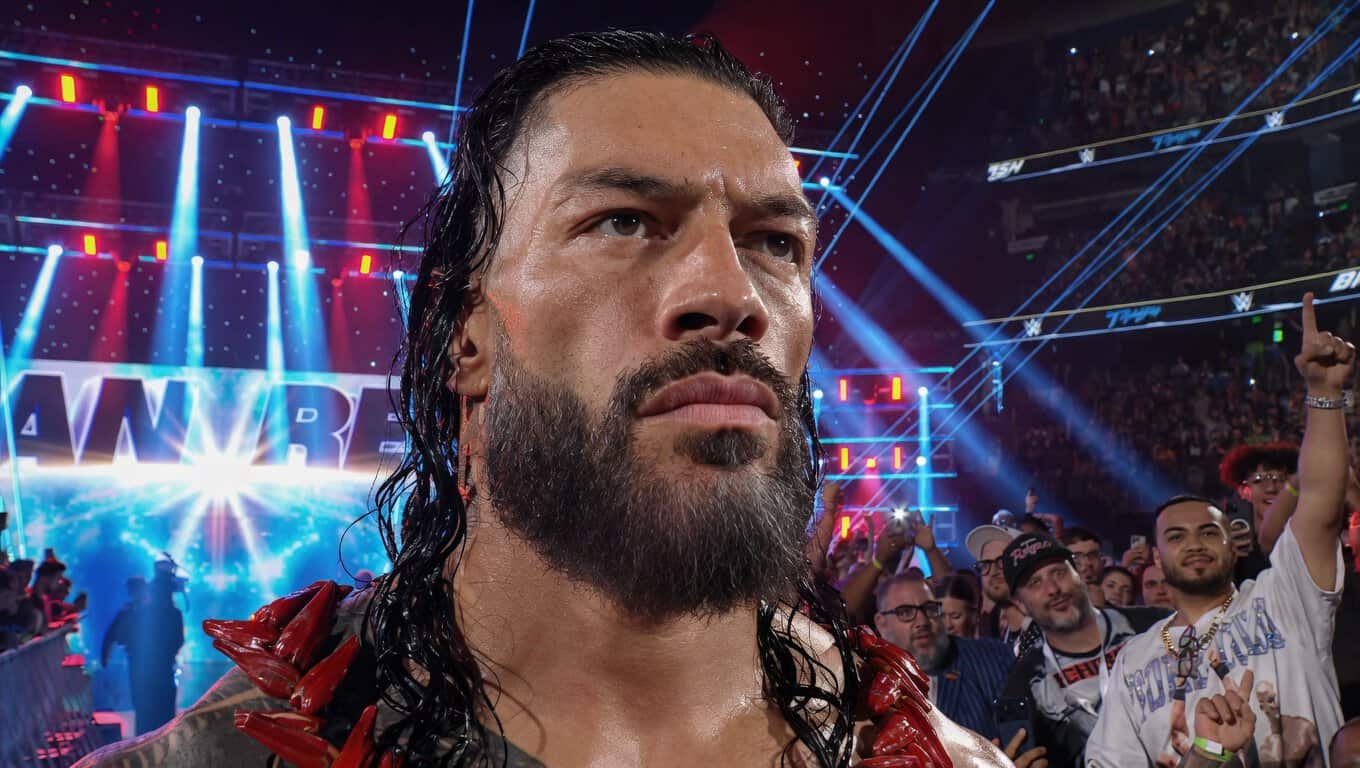
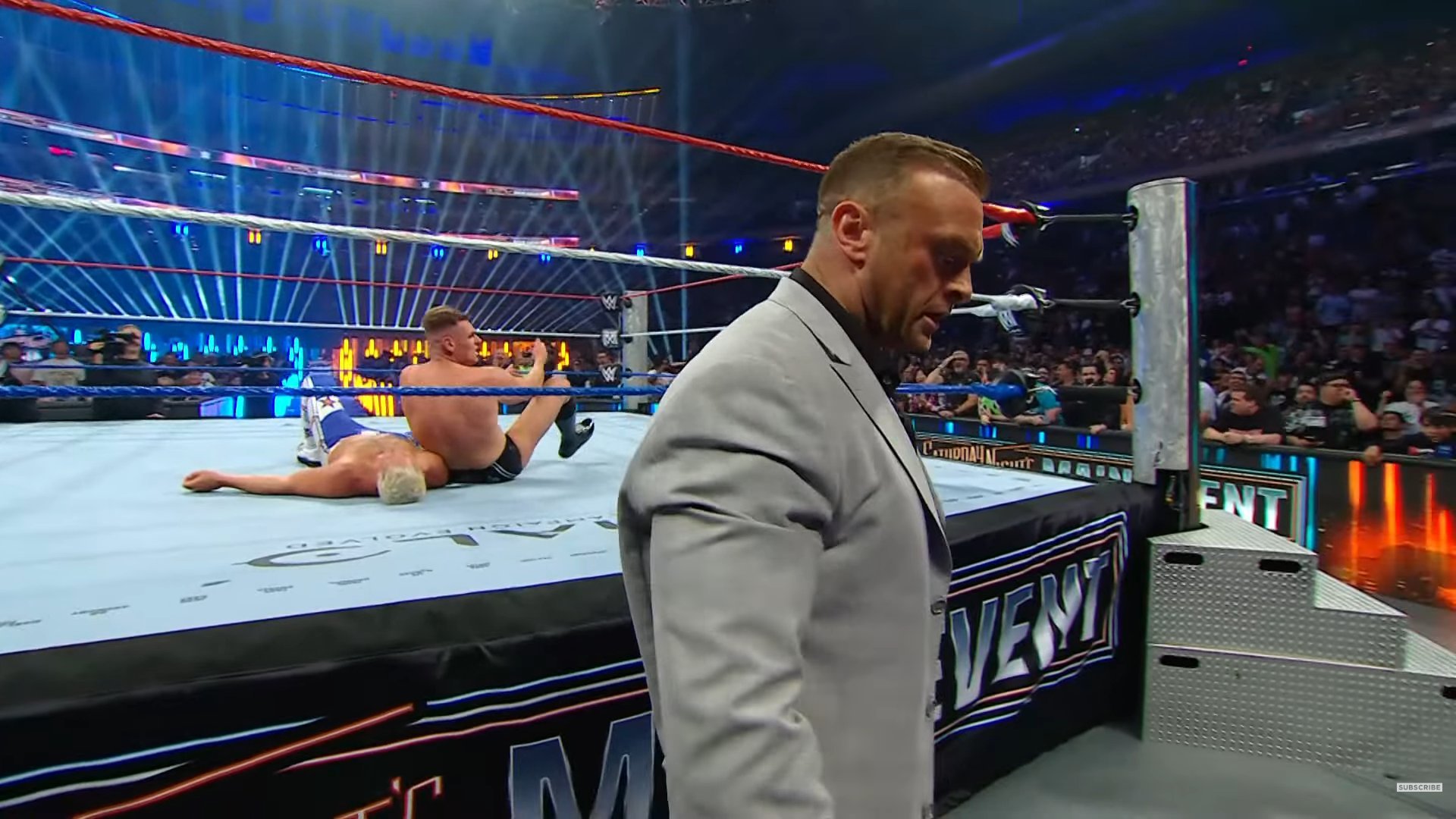
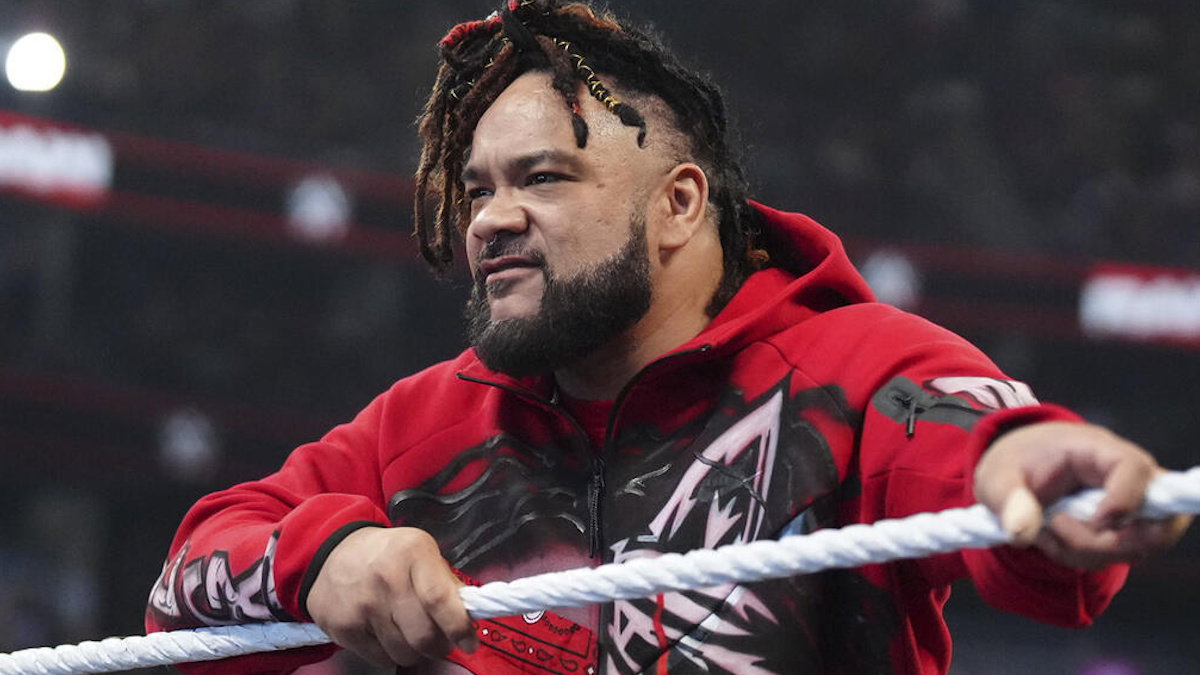
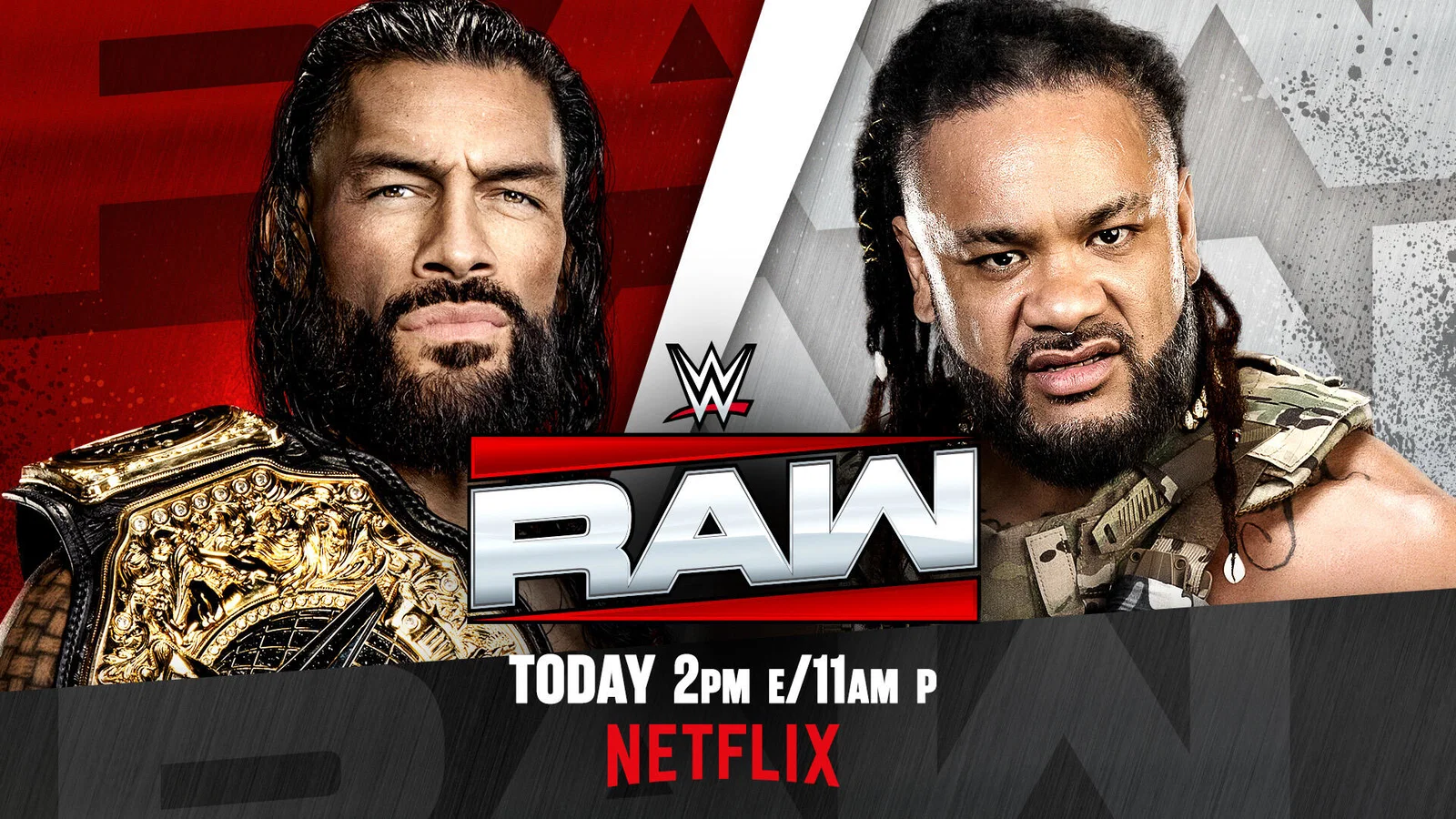
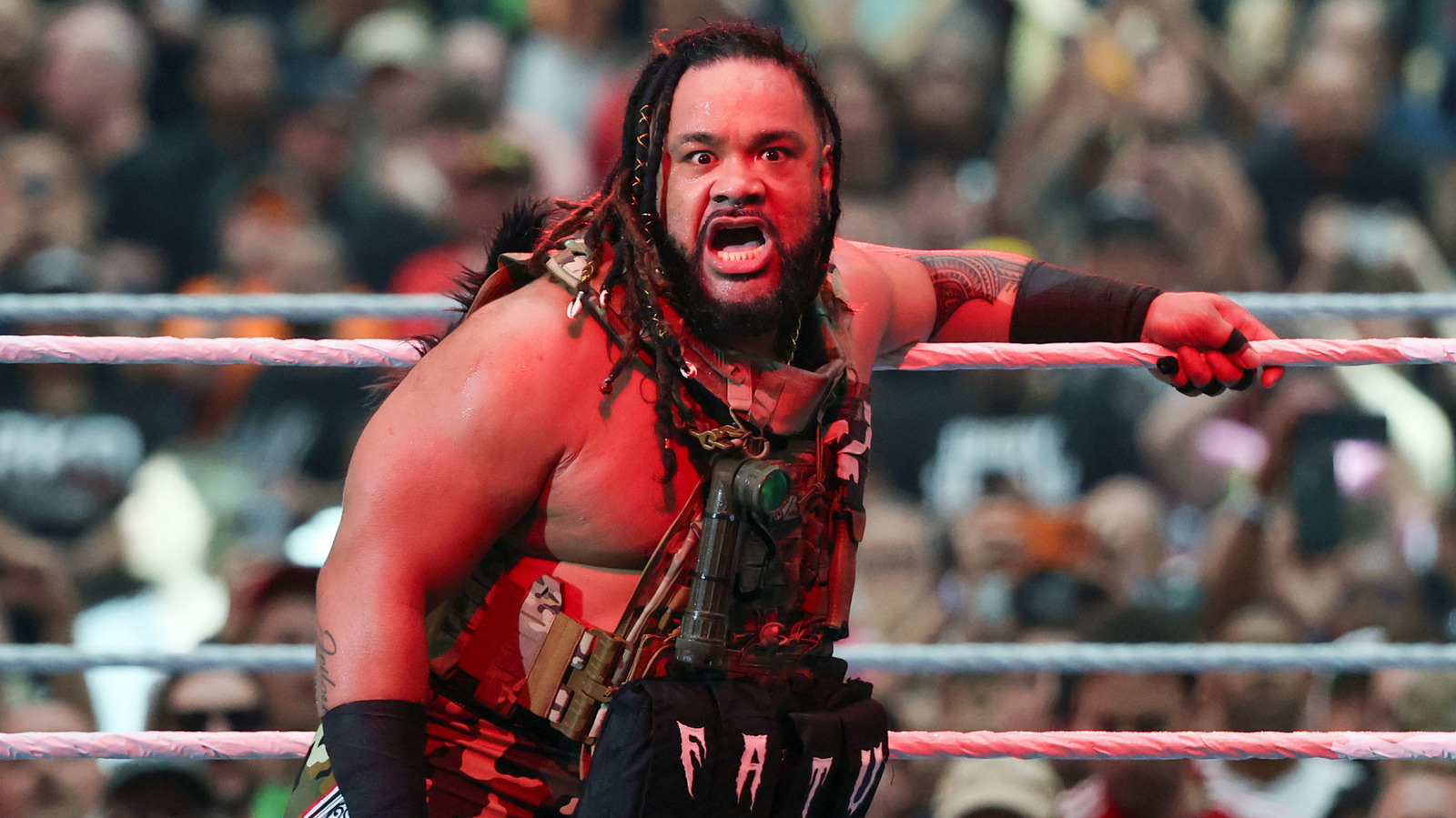
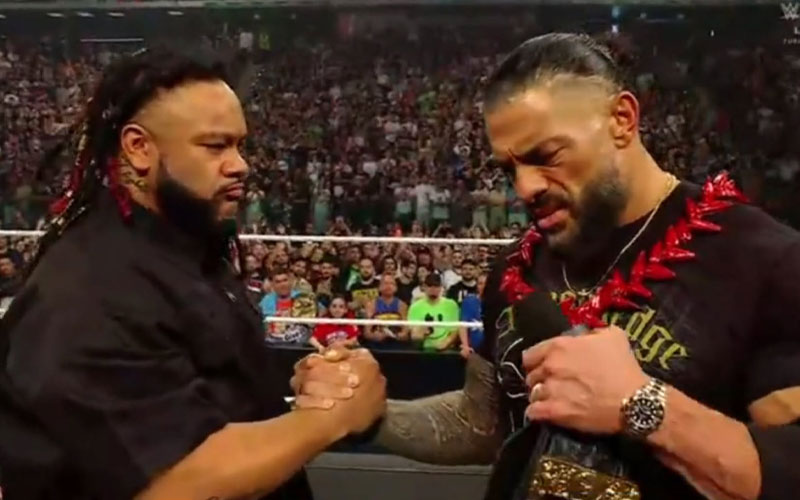
The June 1 episode of WWE RAW marked a pivot point in the ongoing dissolution of the Bloodline. Jacob Fatu’s public acknowledgment of Roman Reigns was not merely a ceremonial gesture; it was a tactical re-alignment that forces the rest of the locker room to pick a side. By centering his narrative around Reigns while simultaneously targeting Jey Uso, Fatu has signaled that the faction's internal hierarchy is still very much in flux.
We saw the tension build during Jacob Fatu’s appearance on RAW. The delivery was calculated. Fatu waited for the right opening to dismiss Jey Uso’s current standing before turning his attention to the absent Tribal Chief. This creates an immediate problem for the creative team: how do you balance the momentum of solo acts like Jey against the gravity of the Bloodline brand?
Tactical inconsistencies in the build
Despite the high-profile nature of Fatu’s arrival, the execution of the mid-card narrative has been shaky. We are seeing a pattern where segments serve the main event angle at the expense of individual athlete development. Scaling back the focus on technical wrestling to prioritize soap-opera style confrontations often results in the kind of pacing issues that plagued the last three months of programming.
The reliance on Bloodline-centric storytelling feels like a security blanket for a product that is otherwise struggling to establish new primary contenders for the top titles. If management continues to drag out these acknowledgments and inter-familial feuds, they run the risk of alienating fans who are looking for fresh matchups independent of the Anoa'i family tree. The data on viewer retention during long-winded promo segments indicates a distinct drop-off, suggesting the audience is ready for action inside the ropes rather than posturing at the top of the ramp.
What to watch for in the coming weeks
The stakes here are clearly about momentum heading into the late summer. With the heavy machinery of the 2026 World Cup dominating the global sporting conversation, wrestling has a narrow window to capture eyeballs before the general public switches to soccer-heavy schedules. WWE needs to lean into high-intensity, short-form storytelling if they want to retain the casual viewer.
We need to see actual competition. Fatu needs to deliver a sequence of matches that prove his movement in the ring matches his intensity on the mic. A standard head-butt into a superkick is fine, but if he wants to cement his position, he needs to refine his transition work and show he can work a 15-minute high-leverage bout without gasping for air. The current booking is protecting him, but protection is a temporary fix for a lack of proven work rate.
The verdict moving forward
My prediction for the June run is that the Bloodline tension will spiral into a chaotic multiman tag scenario by mid-July. I expect Jey Uso to pivot toward a solo run that pits him directly against Fatu in a contest designed to test the latter's technical ceiling. It is a cynical play, but it keeps the engagement metrics high while stalling for a larger payoff later in the year.
If Fatu fails to show growth in his technical execution, the crowd will turn on this gimmick faster than they did on the last iteration of the stable. The window for novelty is closing. Success will be determined by whether the booking team allows these men to showcase themselves as athletes rather than just plot devices in a never-ending dynasty drama. The shadow of past failures is heavy, and WWE needs a clean win on its production values to move past this stagnant chapter.
Read Next