The production shutdown
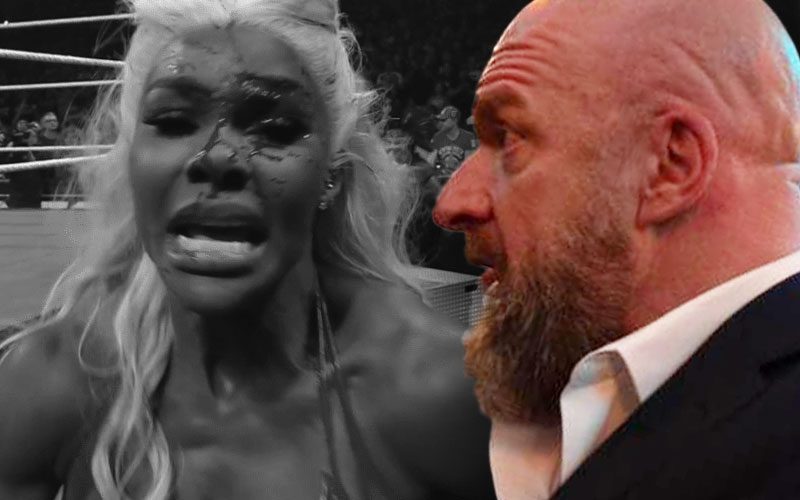
Jade Cargill suffered a significant injury during recent television tapings that forced an immediate halt to backstage operations. WWE head of creative Paul "Triple H" Levesque intervened personally, demanding that cameras stop rolling as medical staff attended to the performer. The incident occurred during a segment that left Cargill visibly dealing with a bloody injury.
While the exact nature of the damage remains shielded from public medical disclosures, the severity was evident by the immediate reaction of production staff. Bringing a live television segment to a sudden stop indicates a level of caution rarely seen in modern wrestling broadcasts. Management opted for total privacy, ensuring no peripheral footage surfaced on social media or internal monitors.
Historical context and risk mitigation
Levesque has cultivated a culture of tight control regarding backstage segments, but this specific directive points to an escalating concern for talent physical integrity. History shows that WWE is historically protective of injury visuals, particularly after the mid-aughts transition to a more polished broadcast style. The last time a similar mandate occurred involved significant trauma, showing this incident likely ranks high on the scale of recent backstage health scares.
There is a recurring issue with high-impact performers like Cargill needing to balance visual presentation with basic safety during segments that skirt the line between scripted narrative and real-world physicality. When elite athletes perform on a weekly cycle, fatigue often compounds execution errors. This incident underscores that even at the highest production level, the margin for error remains razor-thin.
The strategic fallout
Cargill represents a cornerstone of the modern division, and any extended absence ripples through upcoming pay-per-view cards. Her absence creates an immediate void in the title scene. Booking teams must now pivot plans originally designed for the next 90 days of television. The uncertainty surrounding her availability forces a move away from previously established feuds.
As reported by Ringside News, the situation was handled with urgency. The immediate suspension of footage highlights that WWE is currently prioritizing talent security over the typical "everything is content" approach. It is a necessary shift, but one that highlights a lack of consistency in how wrestlers are protected during non-match sequences.
Assessing the competitive gap
The reliance on a handful of top-tier performers leaves the promotion vulnerable whenever a headline star goes down. Mid-card talent often struggles to fill the narrative vacuum left by an injury to a figure of Cargill's stature. Relying on surprise returns or emergency booking can dilute the quality of the product in the short term. It forces fans to endure filler segments that contribute nothing to long-term storylines.
WWE management now faces the task of stabilizing the division without exposing other top stars to burnout. Expect a cautious approach to her return once medical clearance is granted. The promotion has historically struggled to balance the push for high-intensity segments with the necessity of keeping talent healthy throughout the year. If they cannot reconcile this, the frequency of these disruptions will likely increase, leading to more erratic booking patterns on weekly shows.
Looking forward
The timeline for a return remains speculative at best, as medical clearance is gated by the WWE Wellness Policy and independent examinations. Sources indicate that Cargill is currently undergoing evaluation to determine the extent of the tissue damage. This is not the first time a major star has been pulled from rotation due to backstage accidents, but the intensity of the reaction this time confirms the severity.
Moving forward, the directive to stop production during injury events should become the standard. It protects the talent, prevents exploitative replays, and maintains a clean product. Fans should remain patient; the push for content often ignores the physical reality of the athletes involved. Until a clear recovery path is confirmed, the division remains in a holding pattern. The industry relies on stars like Cargill, and her health takes precedence over the scripts currently sitting on the creative desk.