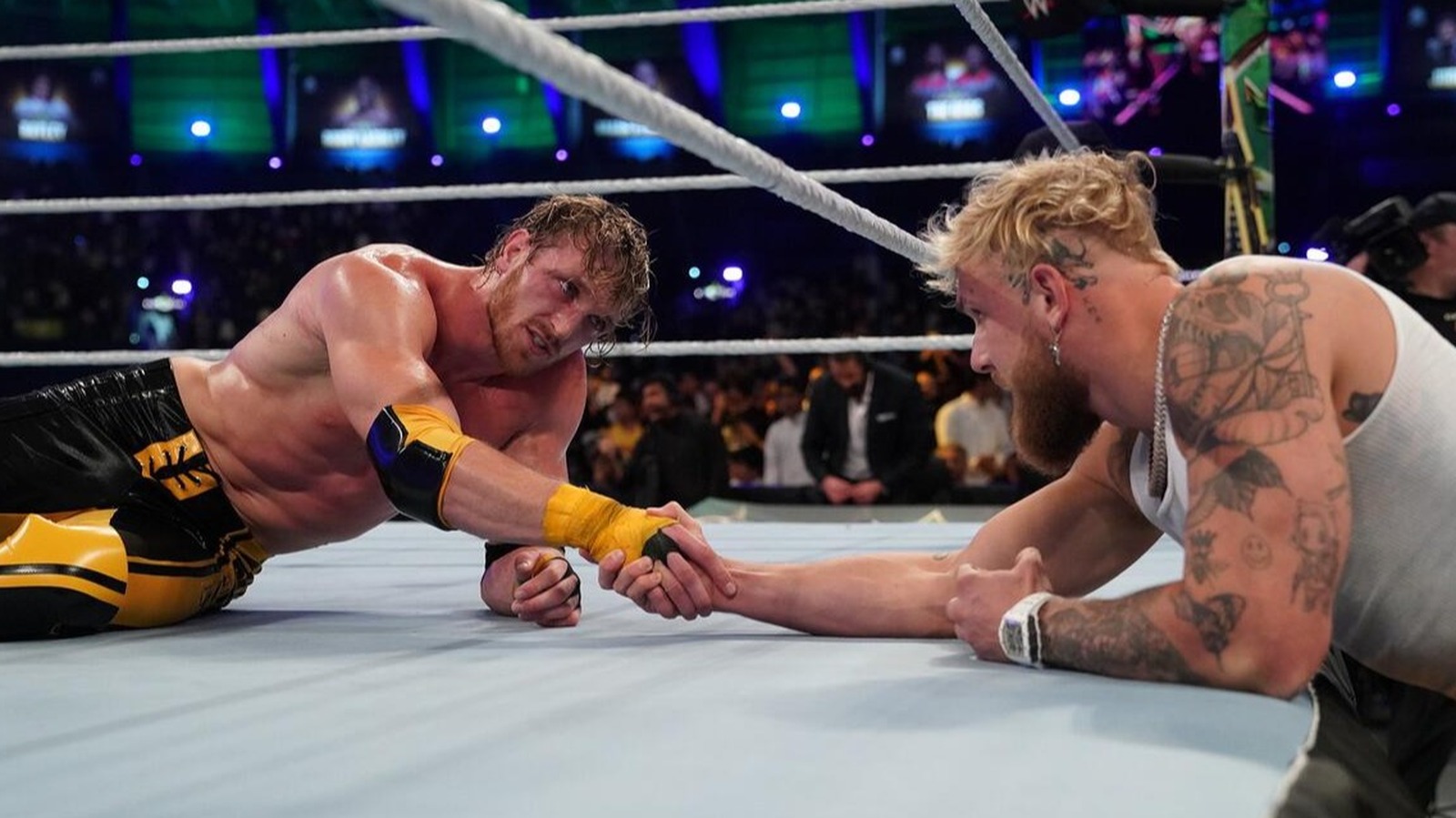
The Corporate Wall Between the Paul Brothers
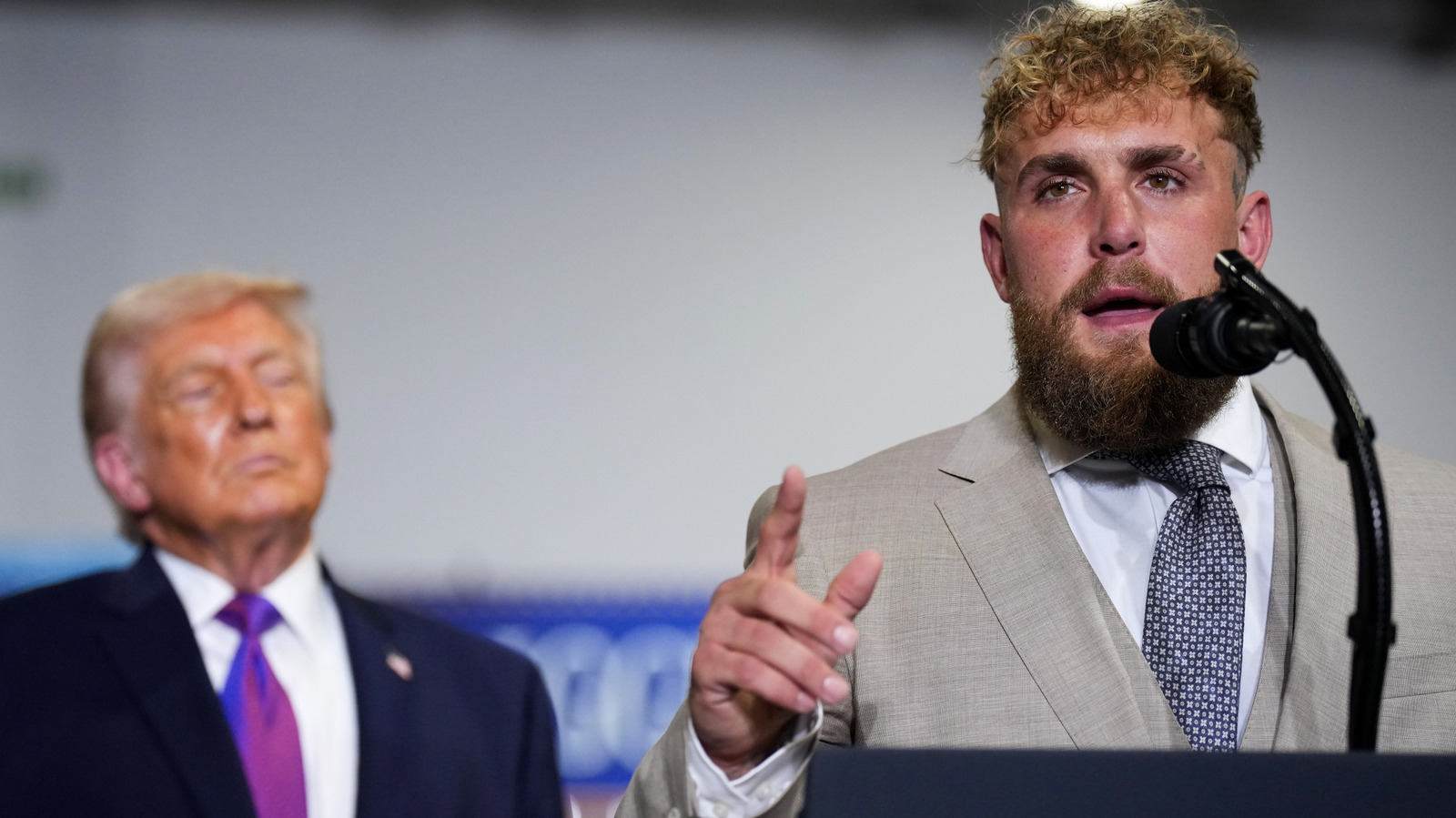
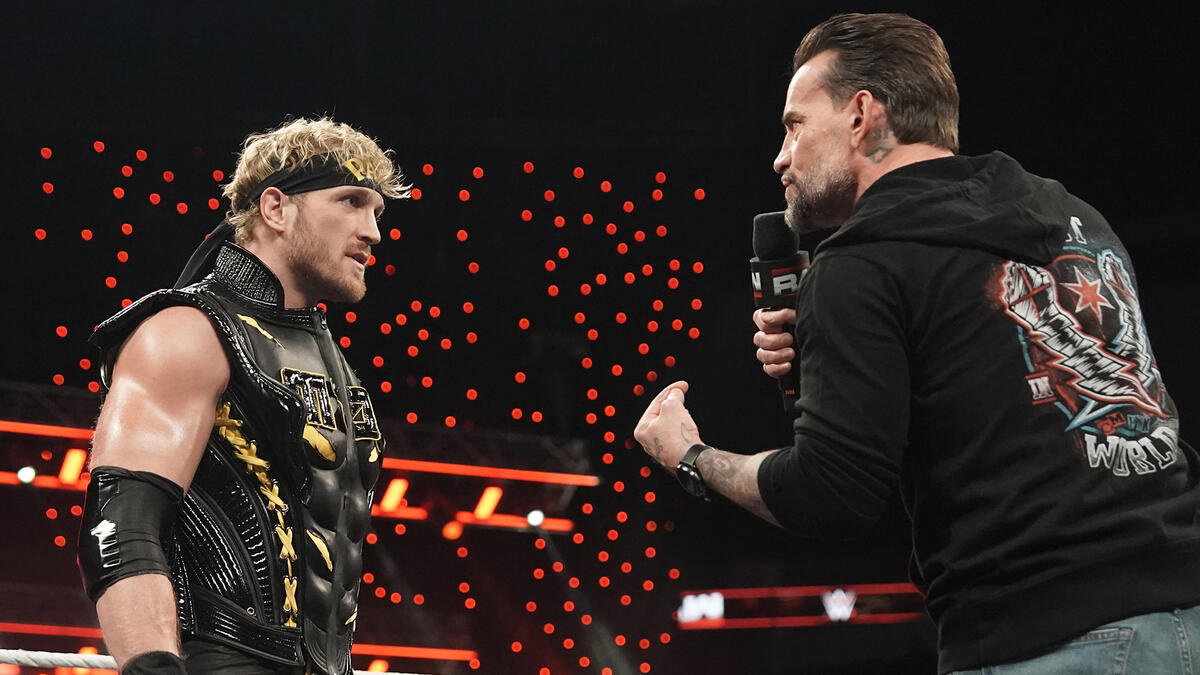
Jake Paul is currently the biggest disruptor in combat sports, but there is one ring he cannot seem to talk his way into. Despite his brother Logan Paul becoming a cornerstone of WWE programming and a recurring highlight reel at every Premium Live Event, the younger Paul remains persona non grata in the world of professional wrestling. The reason, according to Jake, is not a lack of interest or a scheduling conflict with his boxing career. It is a directive from the top of the corporate ladder.
During a recent media session promoting his latest Most Valuable Promotions (MVP) card, Jake Paul was blunt about why he has been absent from Logan’s corner since the TKO merger. He pointed the finger directly at the parent company that now oversees both WWE and the UFC. There is no love lost between the "Problem Child" and the executives running the show at TKO Group Holdings, and that friction has created a hard border that Jake cannot cross.
They don't want me involved in Logan's matches. There is a lot of disapproval from TKO because of what I’m doing with MVP and the things I’ve said about their leadership. It’s a beef that goes beyond the ring.
This admission sheds light on the internal politics of the new WWE era. While the company has never been more open to outside influencers and celebrity involvement, Jake Paul represents a specific kind of headache that TKO is not willing to tolerate. His status as a co-founder of MVP puts him in direct competition with TKO’s interests in the combat sports space, particularly when it comes to fighter pay and promotional control.
The Dana White Factor and the UFC Shadow
You cannot talk about Jake Paul’s relationship with TKO without talking about Dana White. The UFC CEO has been the primary target of Jake’s rhetorical attacks for years. Paul has built a significant portion of his brand on criticizing the UFC's pay structure and demanding better healthcare for fighters. When WWE was a standalone entity under Vince McMahon, these barbs were irrelevant to the wrestling side of the business. Jake could show up at Crown Jewel to help his brother because the wrestling world didn't care about a spat in MMA.
The 2023 merger changed everything. Now that WWE and UFC live under the same roof, an attack on one is effectively an attack on the other. For TKO executives like Ari Emanuel and Mark Shapiro, bringing Jake Paul onto a WWE broadcast is effectively giving a platform to a man who spends his free time trying to undermine their most profitable sports property. It is a conflict of interest that makes any potential crossover a non-starter for the suits in Connecticut and Las Vegas.
Logan Paul, for his part, has played the game perfectly. He has integrated himself into the WWE system, showing a level of respect for the industry that has won over even the most cynical locker room veterans. He has avoided the public wars with TKO leadership that his brother relishes. This has created a bizarre dynamic where one brother is the face of the company’s new media strategy, while the other is treated like a corporate pariah. The optics of having Jake in the front row of a WWE event while he is actively suing or criticizing the UFC is something TKO simply won't sanction.
The MVP Conflict of Interest
It isn't just about the words Jake says; it’s about the business he is building. Most Valuable Promotions is no longer a small-scale hobby for a YouTuber. By 2026, MVP has established itself as a legitimate player in the boxing world, moving millions of dollars in pay-per-view revenue and signing high-level talent. Jake Paul is a promoter first and an athlete second. TKO is a company built on total control of its ecosystems, and they generally do not invite rival promoters into their playground.
When Jake Paul enters a WWE arena, he isn't just a guest; he is a walking advertisement for a competing brand. Every second he is on screen is a second that WWE is indirectly validating a man who wants to take a bite out of the combat sports market. The irony is that WWE has always loved the "rebel" character, but only when that rebellion is scripted and owned by the company. Jake’s rebellion is real, and more importantly, it's profitable for him and not for them.
The situation reached a breaking point during the lead-up to WrestleMania 41 in Las Vegas. While Logan was involved in a high-profile defense of the United States Championship, rumors swirled that Jake would make a surprise appearance to counter a run-in. That appearance never materialized. We now know that the block wasn't coming from the creative team—who would have loved the social media impressions—but from the legal and executive teams who saw Jake as a liability to the broader TKO brand.
A Critical Look at the "Banned" Narrative
While Jake Paul is happy to play the victim of corporate censorship, there is a cynical side to this story that shouldn't be ignored. Claiming you are "banned" by a massive corporation like TKO is great for your street cred. It reinforces the idea that you are too dangerous for the mainstream, a narrative that Jake has used to sell thousands of $59.99 pay-per-views. It’s entirely possible that TKO isn't actively hunting him down, but simply refusing to pay the premium price Jake would demand for an appearance.
There is also the matter of Logan Paul’s own brand. At some point, Logan needs to be his own man in the WWE. Every time Jake shows up, the conversation shifts from Logan’s incredible athleticism to the latest Jake Paul controversy. It is a legitimate booking mistake to constantly lean on the brother dynamic when Logan has proven he can carry a segment on his own. In a way, TKO’s refusal to involve Jake might be doing Logan a favor by allowing him to cement his legacy without the baggage of his brother’s boxing feuds.
However, the lack of consistency from TKO is frustrating. They are more than happy to bring in other outside athletes and celebrities who have their own brands and business interests. The difference is that those celebrities aren't actively trying to disrupt the TKO business model. Jake Paul is the only influencer who has had the audacity to try and unionize the labor force of his competitors. That is the kind of "beef" that doesn't get resolved with a simple handshake or a sponsorship deal for Prime.
Where Does This Leave the Paul Connection?
For fans hoping to see a "Paul Brothers" tag team run, the outlook is bleak. As long as Jake Paul is the head of MVP and a vocal critic of UFC leadership, the door to WWE will likely remain shut. This is a rare instance where the business side of the industry has completely overridden the creative side. In the old days, a hot angle would always take precedence over a corporate grudge. In the TKO era, the brand is the only thing that matters, and the brand does not like Jake Paul.
Jake seems content with the arrangement for now. He is making more money in a single boxing match than most WWE superstars make in three years. He has his own platform and his own audience. But for Logan, this has to be a point of contention. He is the one putting his body on the line, taking massive bumps in the 8th minute of matches to make the company look good, yet he can’t have his brother by his side for his biggest moments. It is a reminder that even in the "new" WWE, there are still lines that cannot be crossed.
The next few months will be telling. With AEW Double or Nothing just 9 days away, the wrestling world is focused on the competition. If WWE wants to keep its momentum as the global leader in sports entertainment, they usually lean into the biggest stars available. If they continue to leave Jake Paul on the sidelines, it’s the clearest sign yet that the TKO merger has fundamentally changed what is possible in the world of pro wrestling. The corporate era isn't just about bigger stadiums and more revenue; it’s about who is allowed through the front door.